
As we navigate the cultural landscape of April 2026, a strange and beautiful paradox is emerging in the literary world. While our lives are more digitized than ever—governed by smart contracts and AI-driven logistics—the books topping the bestseller lists are looking backward. This isn’t just standard historical fiction; it is a movement critics are calling “Digital Nostalgia.” It is a genre that weaponizes our longing for the analog past to critique our fragmented, hyper-connected present.
The 2026 Literary Zeitgeist: Why Now?
The timing of this trend is no accident. With the launch of the National Year of Reading 2026 “Go All In” campaign, there has been a massive push to reconnect audiences with the physical act of reading. At the same time, we are grappling with the “Unfinished Digital Estate” crisis—a growing anxiety about what happens to our digital memories when we are gone. This intersection of a “Back to Basics” reading movement and a “High Tech” identity crisis has created the perfect soil for stories that explore the friction between our physical bodies and our digital ghosts.
“Yesteryear” by Caro Claire Burke: The Satirical Spearhead
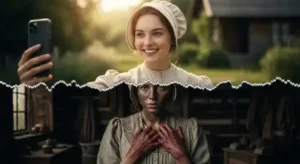 If there is one book that defines April 2026, it is Yesteryear by Caro Claire Burke. The premise is as ingenious as it is terrifying: Natalie, a high-profile “trad-wife” influencer with millions of followers, makes her living selling a curated, aestheticized version of 19th-century pioneer life. She films herself churning butter in a designer linen dress, hidden behind a layer of industrial-grade appliances and a team of nannies.
One morning, Natalie wakes up in 1855. But this isn’t the filtered, sepia-toned 1855 of her Instagram feed. It is a brutal, cold, and filthy reality where she has to haul firewood until her fingers bleed. Burke’s prose is a biting satire of our performance of womanhood and the “curated reality” of social media. The book resonates in 2026 because it asks: if you take away the “Like” button, who are you? For a deeper look at the tech that powers these curated lives, check out our recent guide on securing your digital legacy.
Ben Lerner’s “Transcription”: Memory in the Age of Erasure
While Yesteryear tackles the social performance of the present, Ben Lerner’s Transcription (released April 6, 2026) dives into the fragility of memory. The novel begins with a strikingly contemporary disaster: the narrator drops his smartphone in a hotel sink, losing his only recording device right before a career-defining interview with his ninety-year-old mentor, Thomas.
The “transcription” of the title refers not just to the act of recording, but to the way technology—and its failure—mediates our connection to the truth. Lerner suggests that digital technology strips historical events of their emotional weight, desensitizing us to reality. This “Memory Crisis” is a theme that echoes the real-world debates we see regarding the rise of ghost bots. If a bot can replicate your voice and your memories, what happens to the “authentic experience” Lerner’s characters are so desperately trying to capture?
Top 5 “Digital Nostalgia” Must-Reads for April 2026
 If you’re looking to “Go All In” on the Year of Reading this month, these five titles perfectly capture the blend of analog comfort and digital anxiety:
- “Yesteryear” by Caro Claire Burke: A dark social satire perfect for fans of The Stepford Wives.
- “Transcription” by Ben Lerner: A high-concept literary meditation on technology and fatherhood.
- “American Fantasy” (B&N Exclusive Edition): A sprawling novel that explores how our digital footprints create a “fantasy” version of our history.
- “This Land Is Your Land”: A road trip through U.S. history that uses augmented reality themes to reveal the “ghosts” of the past.
- “The Ending Writes Itself”: A meta-fictional mystery where an author discovers their AI-written sequel is actually predicting their own death.
The Role of the National Year of Reading 2026
The “Go All In” campaign has been instrumental in making these complex themes accessible to a wider audience. By linking reading to interests like gaming and digital security, the National Literacy Trust has successfully rebranded the book as a “gateway to deeper engagement.” In a world of 15-second videos, these 400-page novels are being treated as a form of “digital detox,” a way to reclaim our attention spans from the algorithms.
Ethical Echoes: Fiction vs. Reality
What makes the Digital Nostalgia trend so potent in 2026 is how closely it mirrors our legal and technological struggles. We are currently drafting digital wills to protect our data, while authors like Lerner and Burke are writing the “emotional blueprints” for these crises. Fiction allows us to feel the weight of these technologies before they become immutable parts of our legal system.
Conclusion: Reclaiming the Narrative
The “Digital Nostalgia” movement of April 2026 is more than a passing fad; it is a cultural reckoning. It proves that despite our progress, we still crave stories that are “uplifting, spiritual, and full of deeper meaning.” Whether we are hauling firewood in 1855 with Natalie or losing our digital recordings in Los Angeles with Ben Lerner, we are all searching for the same thing: an authentic human connection in a world that is increasingly transcribed by machines.
As you build your spring reading list, ask yourself: are you reading to escape the digital world, or to understand your place within it? Share your thoughts in the comments below, and let’s keep the conversation going during this National Year of Reading.