
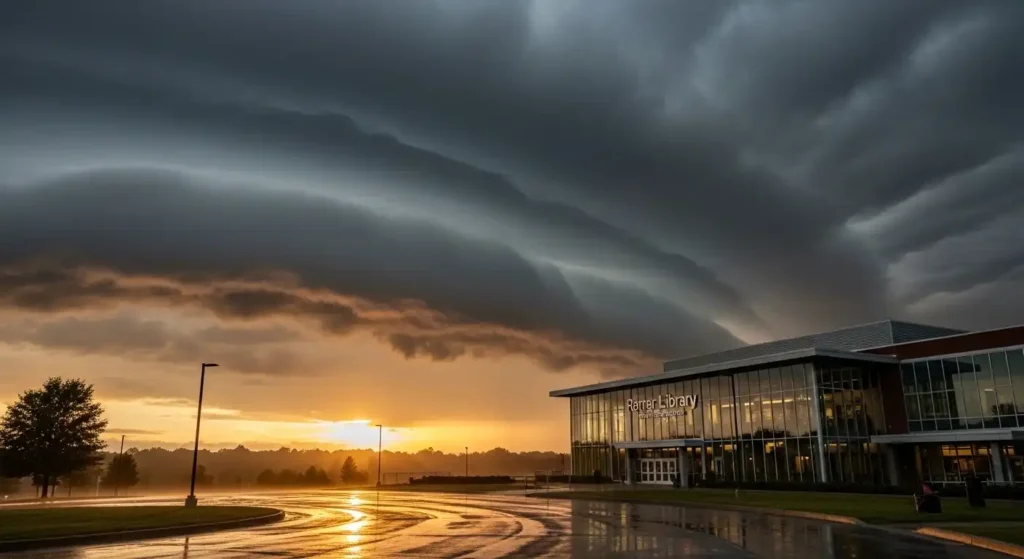
In the spring of 2026, the literary world is undergoing a profound transformation. While space operas and epic high fantasies have long dominated the speculative fiction charts, a new, more grounded genre is taking center stage. We are witnessing the mainstream explosion of Cli-Fi (Climate Fiction) and its darker, more visceral sibling, Eco-Horror. These genres are no longer niche interests; they have become the primary way that readers in 2026 process their anxieties, hopes, and observations about a planet in transition.
The Evolution of Cli-Fi: From Dystopia to “Now-Topia”
For decades, “climate stories” were synonymous with post-apocalyptic wastelands and “Mad Max” style survivalism. However, the Cli-Fi of 2026 is different. Authors are moving away from the “end of the world” and focusing on the “change of the world.” This shift toward near-future realism—or what some critics call “Now-Topia”—highlights the immediate, tangible impacts of climate shifts on everyday life.
Instead of a distant century, these stories are often set just five or ten years from now. They explore how a family in Northern California navigates new resilience legislation or how a small coastal town adapts to rising tides. By grounding the narrative in familiar settings, Cli-Fi creates a powerful sense of empathy and urgency that traditional disaster fiction lacks.
Eco-Horror: When Nature Becomes the Protagonist
 If Cli-Fi is about adaptation, Eco-Horror is about the consequences of negligence. In 2026, Eco-Horror has seen a massive resurgence, fueled by a collective psychological response to real-world events. This genre taps into the “uncanny” nature of a changing planet—where the weather, the soil, and the wildlife begin to behave in ways that defy traditional understanding.
Modern Eco-Horror often features nature as a sentient, vengeful force rather than a passive backdrop. This resonates deeply with readers who are witnessing the surge in extreme heat events and unpredictable weather patterns. By turning environmental anxiety into a tangible “monster” or “threat,” these books allow readers to externalize and process their very real fears about the future of the biosphere.
Why 2026 is the “Year of the Earth” in Publishing
The numbers don’t lie: Bookzee’s internal tracking shows that sales for environmental-themed fiction have outpaced traditional sci-fi for three consecutive quarters. Several cultural factors are driving this 2026 trend:
- The “Stress Test” Narrative: Readers are using these books as a safe psychological space to imagine how they would handle climate-related challenges.
- The Search for Agency: Unlike earlier “doom and gloom” narratives, 2026 Cli-Fi often focuses on characters who take action, providing a sense of agency in an era that often feels overwhelming.
- Hyper-Local Focus: There is a growing interest in stories that celebrate regional heritage and local landmarks, much like the history we preserve on Butte County’s regional resource sites.
The “Hopepunk” Movement in Climate Fiction
One of the most heartening developments in 2026 is the rise of “Hopepunk” within the Cli-Fi genre. Hopepunk is the antithesis of “grimdark.” It acknowledges that while the situation is dire, the act of hoping and building community is a radical, rebellious act. Hopepunk Cli-Fi focuses on sustainable technology, community gardens, and the restoration of ecosystems.
These stories often integrate real-world “Death Tech” innovations—such as using aquamation or human composting to replenish depleted forests—as key plot points. This intersection of science and story helps readers visualize a future that is not just survivable, but beautiful.
Essential 2026 Tropes for Aspiring Authors
If you are a writer looking to contribute to the Bookzee community, consider these high-performing tropes currently dominating the 2026 market:
- The “Solarpunk” Aesthetic: High-tech meets high-nature. Think floating cities powered by algae and cities that look like forests.
- Interspecies Communication: Stories that explore a deeper, perhaps telepathic or technologically-aided, connection with animals and plants.
- Generational Legacies: Narratives that span decades, showing how the choices made by a grandparent in 2026 affect their grandchild in 2070.
The Role of Speculative Fiction in Policy and Change
 Historically, fiction has always been a precursor to social change. Just as 1984 warned us about surveillance, 2026’s Cli-Fi is warning us—and inspiring us—about the environment. We are seeing these books influence actual California legislation, as lawmakers and citizens alike use these stories to bridge the gap between abstract policy and lived experience.
Conclusion: A New Chapter for the Planet
The rise of Cli-Fi and Eco-Horror in 2026 is a testament to the power of the written word. We are no longer just telling stories to escape reality; we are telling them to survive it. By exploring our changing planet through the lens of fiction, we find the courage to face the truth and the imagination to build a better version of what comes next.
2026 Cli-Fi Research & Resources:
At Bookzee, we are committed to highlighting the authors who are brave enough to write the future. Stay tuned for our “Top 20 Cli-Fi Reads of 2026” coming later this month!