

Some books entertain you for an afternoon, while others leave you questioning everything you thought you understood. Psychological thrillers belong to the second category. They turn ordinary relationships into complicated puzzles, transform familiar homes into unsettling settings, and introduce characters whose words may be far less trustworthy than they initially appear.
For American readers looking for their next page-turner, 2026 offers plenty of reasons to explore this suspenseful genre. New releases are playing with unreliable memories, suspicious relationships, family secrets, unexpected disappearances, and the dangerous gap between appearances and reality. Established favorites remain equally compelling for readers who want to revisit the novels that helped define modern psychological suspense.
The best psychological thriller books of 2026 are not simply stories about solving crimes. They explore why people lie, how secrets influence relationships, and what happens when someone discovers that their understanding of the past may be incomplete. Some deliver fast-moving plots with short chapters and dramatic revelations, while others build tension slowly until a seemingly ordinary detail becomes impossible to ignore.
Whether you enjoy domestic suspense, twisted family dramas, disturbing mysteries, or stories with unreliable narrators, this reading guide will help you choose your next unforgettable book. It combines notable 2026 releases with modern psychological thriller classics, offering options for new readers and experienced fans alike.
What Makes a Psychological Thriller Worth Reading?
A psychological thriller creates suspense by making readers question characters, motivations, memories, and perceptions. Instead of relying entirely on physical danger or an elaborate criminal investigation, it places the human mind and its vulnerabilities at the center of the story.
A protagonist might remember an event differently from everyone else. A seemingly devoted spouse might conceal a devastating secret. A new friend might know far more about someone’s personal life than she should. In these stories, the central mystery often becomes a question of whom to trust rather than simply who committed a crime.
Unreliable narrators are one of the genre’s most recognizable features. These characters may deliberately mislead others, misunderstand what they have witnessed, or struggle to distinguish their assumptions from the facts. Their perspectives encourage readers to examine every conversation and reconsider earlier scenes as new information emerges.
Atmosphere matters, too. A quiet suburban neighborhood, a remote family estate, an unfamiliar vacation house, or an ordinary apartment building can become frightening when the people inside it are hiding something. The most effective writers understand that suspense does not always require dramatic action. Sometimes a locked drawer, a missing photograph, or a strangely specific question can create more tension than a lengthy chase scene.
A satisfying psychological thriller also offers more than a last-minute surprise. The strongest endings emerge from the characters and circumstances established earlier in the book. They may challenge the reader’s assumptions, but they should also make earlier clues feel meaningful once the truth becomes clearer.
For readers who love discussing theories and comparing interpretations, this combination of suspense and psychological complexity makes the genre especially rewarding.
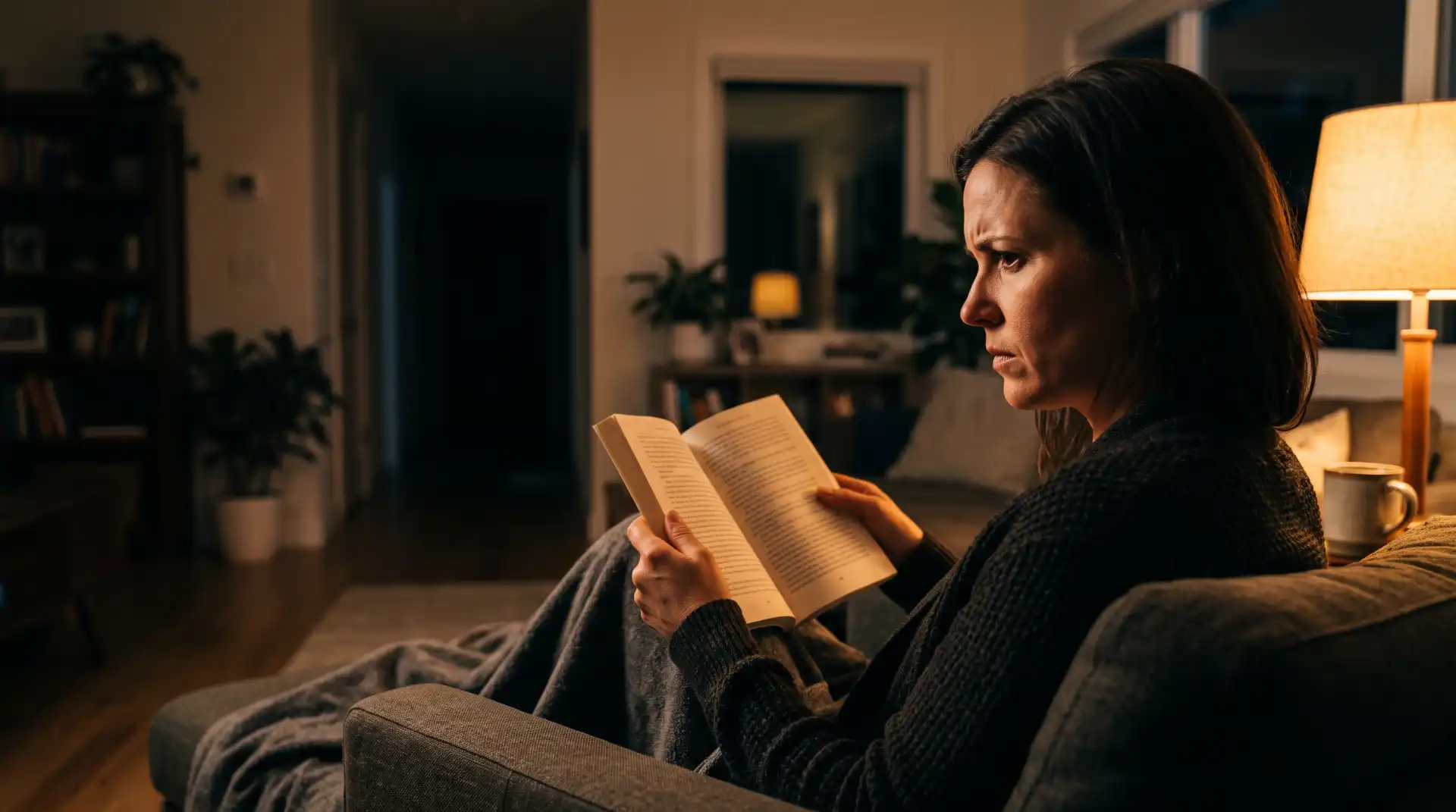
The Best New Psychological Thriller Books to Explore in 2026
Several 2026 releases stand out for readers seeking stories about deception, family tensions, memory, and the dangerous secrets hidden behind everyday life. Publication dates and availability can vary by format and retailer, so check the publisher’s listing or your preferred bookstore before purchasing.
1. The Exes by Leodora Darlington
Best for: Readers who enjoy unreliable narrators, suspicious memories, and complicated romantic relationships.
The Exes builds its suspense around Natalie, a woman whose troubling blackouts raise questions about her own actions. After three of her former partners die prematurely, a confrontation with her husband leaves her facing an alarming situation: she regains consciousness holding a knife and cannot be certain what happened.
The premise immediately introduces one of psychological fiction’s most effective questions: how can someone investigate the truth when they cannot fully trust their own recollection?
Natalie’s circumstances invite readers to examine the difference between guilt, suspicion, and evidence. Her past relationships become important pieces of a larger puzzle, while the possibility of manipulation creates uncertainty about who might be telling the truth.
The novel is particularly appealing to readers who enjoy stories in which personal relationships become part of the mystery. Former partners, present-day loyalties, and unresolved emotional conflicts can all complicate the search for answers.
Rather than approaching the book as a straightforward murder investigation, readers should pay attention to the shifting relationships and the information Natalie receives from people around her. The central appeal lies in the uncertainty surrounding her memory and the possibility that someone else understands her situation better than she does.
For fans of psychological suspense who enjoy forming theories as they read, this is a promising 2026 release to investigate.
2. Caller Unknown by Gillian McAllister
Best for: Readers who enjoy high-stakes suspense, family relationships, and morally difficult choices.
Caller Unknown places a mother and daughter at the center of an increasingly frightening situation. Simone and her daughter Lucy begin an American road trip, but their plans change dramatically when Lucy disappears on the first night. Simone discovers a phone and receives instructions from an unknown caller who appears to control whether she will see her daughter again.
The premise turns a familiar American setting into a source of uncertainty. Road trips often represent freedom, discovery, and family bonding, but here the open road becomes part of an unpredictable and deeply personal ordeal.
Simone’s challenge is not simply to discover what happened to Lucy. She must also decide how far she is willing to go when the caller makes demands that threaten to push her beyond her moral limits.
This creates an emotional dimension that distinguishes the story from a conventional mystery. Every decision has consequences, and the reader must consider what they might do when protecting a loved one appears to conflict with other responsibilities.
McAllister’s setup also offers a compelling exploration of control. The caller holds information that Simone desperately needs, while Simone must act without knowing whether cooperation will bring her closer to her daughter or deepen the danger.
Readers who enjoy thrillers that combine rapid escalation with difficult family choices should consider adding this title to their 2026 reading lists.
3. The Other You by Carys Green
Best for: Fans of domestic suspense, identity-related mysteries, and unsettling technological possibilities.
In The Other You, Elena is struggling with the demands of new parenthood when her mother-in-law proposes a seemingly convenient solution: bringing a clone into the household through a company called More You.
At first, the arrangement appears to offer practical relief. However, the situation becomes increasingly disturbing when the clone, Nellie, begins behaving and speaking like Elena.
The premise raises questions about identity, personal boundaries, family expectations, and the meaning of being replaceable. A service designed to make life easier becomes a source of anxiety when its benefits appear to threaten the very person it was supposed to help.
For readers, the central tension comes from watching an ordinary domestic environment become psychologically unfamiliar. The home is usually associated with privacy and safety, but those assumptions become difficult to maintain when another person seems capable of occupying the same personal and social space.
The story also offers an opportunity to think about technology without losing sight of human relationships. The most unsettling question is not necessarily whether a new invention can work, but what happens when people decide that convenience matters more than individual identity.
Readers interested in speculative premises that remain rooted in recognizable family pressures may find this an intriguing choice.
4. Such a Nice Girl by Andrea Mara
Best for: Readers who enjoy family mysteries, missing-person investigations, and friendships under pressure.
Such a Nice Girl begins with a terrifying situation involving two friends who discover that their teenage daughters have disappeared after a wedding. The mystery becomes more complicated when suspicion falls on the girls themselves, raising questions about whether one may be trying to harm the other.
This setup gives the story several layers of emotional tension. Parents must confront the possibility that they do not know everything about their children, while the investigation places long-standing friendships under pressure.
The disappearance also challenges the assumptions adults make about teenagers and their relationships. What looks like a close friendship from the outside may contain resentment, rivalry, or experiences that parents have never recognized.
For readers, the appeal lies in the uncertainty surrounding the girls’ disappearance and the competing accounts of what happened. Every new detail has the potential to change the interpretation of earlier events.
The premise is especially relevant to fans of domestic thrillers, where ordinary social relationships can become the source of serious danger. Weddings, family gatherings, and neighborhood connections often bring people together, but they can also expose tensions that have been hidden for years.
Mara’s 2026 novel deserves consideration from readers who prefer mysteries built around family loyalty, friendship, and the unsettling realization that appearances can be misleading.
5. My Husband’s Wife by Alice Feeney
Best for: Readers who enjoy identity puzzles, suspicious marriages, and stories that make familiar surroundings feel strange.
Alice Feeney’s My Husband’s Wife begins with a deeply unsettling situation. Eden Fox returns home after going for a run and discovers that her key no longer fits the house she recently moved into. Even more disturbing, another woman appears to be living there.
The premise turns an everyday object into a source of immediate anxiety. A key normally provides access and reassurance, confirming that a person belongs in a particular place. When it fails, the event raises questions about identity, ownership, and the reliability of ordinary explanations.
The house becomes a mystery in its own right. If Eden’s understanding of where she lives is correct, why does the situation seem to contradict it? If someone else is telling the truth, what does that mean for Eden’s memories and relationships?
This type of setup works particularly well for readers who enjoy psychological thrillers that begin with an apparently impossible event. Instead of immediately explaining the situation, the narrative invites readers to investigate competing possibilities.
Feeney’s novel is a strong option for anyone seeking a 2026 release with an unusual hook and a mystery built around identity and domestic uncertainty.
6. Dear Debbie by Freida McFadden
Best for: Readers who enjoy fast-paced suspense, complicated relationships, and characters who decide to challenge the people around them.
Freida McFadden’s Dear Debbie is another 2026 title worth investigating for fans of contemporary suspense. Readers familiar with McFadden’s work may recognize her interest in tense interpersonal situations, hidden motives, and the ways people behave when they believe they have been underestimated.
For readers choosing a psychological thriller, the appeal of a novel like this often lies in its momentum. A compelling central problem creates questions early, and each new development encourages readers to reconsider what they know about the characters.
McFadden’s books are often attractive to people who want an accessible, plot-driven reading experience rather than a slow, heavily descriptive mystery. That makes this title a useful option for readers building a varied thriller list for the year.
Before buying, check the current publisher or retailer description for the exact premise and format available in the United States. Readers who prefer to avoid spoilers should read the official synopsis without searching for detailed plot explanations or ending discussions.

Modern Psychological Thriller Classics That Still Deliver
New releases are exciting, but the genre’s most memorable experiences do not depend on a publication date. Several established psychological thrillers continue to offer excellent starting points for readers who want manipulation, moral ambiguity, and carefully constructed mysteries.
7. Gone Girl by Gillian Flynn
Best for: Readers who enjoy complicated marriages, shifting perspectives, and morally ambiguous characters.
Gillian Flynn’s Gone Girl remains an essential recommendation for readers interested in modern psychological suspense. The story begins when Amy Dunne disappears on her wedding anniversary and suspicion increasingly falls on her husband, Nick.
As the investigation develops, the story challenges the assumptions readers make about marriage, public image, and the stories people tell about themselves. The characters are not easily divided into simple categories of innocence and guilt, and that complexity helps the novel maintain its tension.
One of the book’s greatest strengths is its exploration of performance. Relationships are often shaped by expectations about how partners should behave, what a successful marriage should look like, and how other people interpret private events. Flynn uses those pressures to show how public narratives can differ from private reality.
The novel is especially effective for readers who enjoy examining character motivations. Rather than asking only what happened, readers are encouraged to consider why the characters behave as they do and how their decisions affect everyone around them.
If you have never read Gone Girl, it is a strong place to begin exploring the genre’s modern classics. If you have read it before, revisiting the early chapters can reveal how the novel establishes expectations that later developments challenge.
8. The Silent Patient by Alex Michaelides
Best for: Readers who enjoy psychological mysteries, therapeutic settings, and major revelations.
Alex Michaelides’s The Silent Patient follows Alicia Berenson, an artist who stops speaking after shooting her husband. Theo Faber, a psychotherapist, becomes determined to understand her silence and discover what led to the crime.
The premise combines a criminal mystery with a question about communication. Alicia’s refusal to speak leaves other people interpreting her behavior, while Theo’s professional interest gives him a particular reason to search for an explanation.
The result is a story in which the act of interpreting another person becomes central to the suspense. Readers must consider how much can be learned from observation and how easily assumptions can influence a person’s understanding of events.
The novel also explores the relationship between professional curiosity and personal involvement. Theo wants to understand Alicia, but the investigation becomes more complicated as the boundaries between his work and his own motivations come into focus.
For readers who enjoy psychological thrillers with a strong central mystery and a revelation that changes the meaning of earlier scenes, The Silent Patient remains an appealing recommendation.
9. The Girl on the Train by Paula Hawkins
Best for: Fans of unreliable narrators, fragmented memories, and secrets hidden in everyday life.
Paula Hawkins’s The Girl on the Train centers on Rachel, a woman whose daily train journey gives her an outside view of other people’s lives. She becomes fascinated by a couple she observes from the train, but her understanding of their relationship proves incomplete.
When a disappearance becomes part of the story, Rachel’s observations acquire a new significance. However, her personal struggles and memory gaps complicate her ability to provide a clear account of what she has seen.
The novel’s central strength is its treatment of perspective. Readers receive information through a character whose observations may be useful but whose conclusions cannot always be accepted without question.
That uncertainty creates an active reading experience. Readers must separate what Rachel remembers from what she believes, and distinguish the details she observes from the stories she constructs around them.
The book also demonstrates how ordinary routines can provide a setting for extraordinary suspense. A train ride, a view through a window, and a familiar neighborhood become meaningful when the reader realizes that the people being observed may be hiding something important.
For anyone who enjoys mysteries in which memory and interpretation matter as much as physical evidence, this remains a worthwhile addition to a psychological thriller reading list.
10. None of This Is True by Lisa Jewell
Best for: Readers who enjoy disturbing friendships, multiple perspectives, and stories that blur the line between public and private life.
Lisa Jewell’s None of This Is True explores a friendship between Alix, a podcaster, and Josie, a woman whose life becomes the subject of increasing interest. What begins as an unusual personal connection develops into a more troubling situation as Alix starts to question Josie’s intentions.
The podcast element gives the novel a contemporary dimension. Personal stories can attract attention when they are shared publicly, but the process of turning private experiences into entertainment raises questions about trust, responsibility, and control.
Alix’s professional interest in Josie complicates their relationship. The more she learns, the harder it becomes to determine whether the friendship is genuine, manipulative, or something more dangerous.
The book also speaks to the way people construct identities for different audiences. A person may present one version of themselves to friends, another to family, and a carefully edited version to the public. Psychological suspense emerges when those versions conflict.
Readers who enjoy character-driven mysteries and stories about obsession should consider this title. It is particularly well suited to those who like to discuss how social media, personal storytelling, and public attention can change the relationships at the center of a mystery.
More Psychological Thrillers Worth Adding to Your List
Beyond the titles above, several established novels can help readers explore different approaches to suspense.
Before I Go to Sleep by S. J. Watson
This novel follows Christine, a woman who wakes each day without retaining her memories from the previous day. She relies on information from the people around her, including her husband, to understand her life.
The premise creates a persistent question about trust. When the protagonist cannot independently verify her memories, other people’s explanations become powerful, but those explanations may not tell the complete story.
Readers who enjoy stories involving memory, identity, and uncertain personal histories should consider this novel.
Shutter Island by Dennis Lehane
Set on an isolated island, this psychological mystery follows U.S. Marshal Teddy Daniels as he investigates the disappearance of a patient from a psychiatric institution.
The setting contributes to the atmosphere of uncertainty, while the investigation gradually raises questions about what the characters know and how they interpret the evidence. Readers who prefer a darker, more atmospheric thriller may find it particularly rewarding.
Sharp Objects by Gillian Flynn
Sharp Objects follows journalist Camille Preaker as she returns to her hometown to report on the murders of young girls. Her investigation forces her to confront troubling family relationships and experiences from her past.
The novel combines crime, psychological tension, and a strong sense of place. It is a good choice for readers who prefer unsettling character studies over straightforward action.
The Housemaid by Freida McFadden
For readers who want domestic suspense built around a seemingly ordinary job, The Housemaid offers another option. The story follows a woman who takes a position in a wealthy household, only to discover that the family’s private life is more complicated than it first appears.
The contrast between public respectability and private behavior is a familiar but effective source of tension in psychological thrillers. Readers who enjoy accessible, fast-moving suspense may want to explore this title and the wider series.
How to Choose the Right Psychological Thriller for Your Reading Style
Not every psychological thriller creates suspense in the same way. Some readers want a dramatic revelation near the end, while others prefer an atmosphere of growing unease that develops gradually over several hundred pages.
If you enjoy rapid pacing, look for novels with a strong opening mystery, short chapters, and frequent changes in what the characters know. Books such as The Silent Patient and The Housemaid are useful starting points for readers who like plot-driven suspense.
Readers who prefer complicated relationships may gravitate toward Gone Girl, My Husband’s Wife, or None of This Is True. These books focus on the gap between what people reveal publicly and what they conceal in private. Their tension comes from shifting loyalties and the difficulty of understanding another person’s motivations.
For readers who enjoy mysteries built around memory and perception, The Girl on the Train, Before I Go to Sleep, and The Exes offer intriguing premises. These stories make the reader consider whether the protagonist’s understanding of events is accurate, incomplete, or influenced by someone else’s actions.
If you prefer a more atmospheric reading experience, Shutter Island and Sharp Objects are worth exploring. Their settings and character histories play important roles in shaping the suspense.
You can also use your preferred format to influence your choice. Paperback editions work well for readers who enjoy marking passages or sharing books with friends. Ebooks are convenient for travel, while audiobooks can make a suspenseful story part of a commute or evening routine. In a psychological thriller, a skilled narrator can add another layer of tension through pauses, emphasis, and changes in character voice.
If you are still unsure where to begin, use Bookzee’s guide on how to discover your next favorite book to explore recommendations based on your interests. You can also read The Art of Balancing Reading with a Busy Schedule for practical ways to make room for your next page-turner.
Why Psychological Thrillers Continue to Fascinate Readers
Psychological thrillers remain compelling because their conflicts often begin in places readers recognize. Families, marriages, friendships, workplaces, and neighborhoods are all familiar parts of everyday life. When a writer introduces deception into one of these settings, the story challenges the assumption that familiarity guarantees safety.
These books also give readers a chance to investigate without facing real-world consequences. Every conversation becomes a potential clue, every contradiction raises a new question, and every revelation offers an opportunity to reconsider an earlier theory.
The genre’s popularity is also supported by its variety. A psychological thriller can overlap with domestic fiction, literary fiction, crime, mystery, horror, or speculative fiction. One novel may explore a marriage falling apart, while another asks what happens when technology challenges a person’s identity. Both can use psychological suspense to investigate trust and uncertainty.
Readers increasingly encounter book recommendations through online communities and social media. However, a viral title is not automatically the right choice for every reader. A book that one person finds brilliantly unsettling may feel too dark or too slow for someone else.
The best approach is to look beyond popularity and consider the story’s central question, its atmosphere, and the type of suspense it promises. A useful synopsis should tell you enough to understand the premise without revealing the major surprises.
For readers interested in how fiction develops across genres, Bookzee’s article on the rise of climate fiction beyond dystopian end-of-the-world stories offers another example of how contemporary novels can move beyond familiar formulas and explore new kinds of tension.
How to Avoid Spoilers Before Reading a Psychological Thriller
Spoilers can have a particularly strong effect on psychological thrillers because the reading experience often depends on uncertainty. Learning the identity of a hidden antagonist or discovering the explanation behind a major mystery can change how the entire book feels.
Start with the publisher’s synopsis rather than a detailed plot summary. A short description usually provides the premise, genre, and general tone without revealing every major development. If you want more information, look for reviews that clearly state whether they contain spoilers.
Be careful when searching for a book title alongside words such as “ending explained,” “final twist,” or “who did it.” Search results, video thumbnails, and social media comments can reveal major details even when you do not intentionally open a spoiler-heavy review.
Book clubs can also establish spoiler-free discussion rules. Members can discuss their impressions, favorite characters, and predictions without revealing information that other participants have not reached yet.
If you are choosing a book for a friend, consider their preferred level of intensity as well as the premise. Some readers love disturbing stories about manipulation and betrayal, while others prefer suspense without graphic violence or especially dark themes. Checking content notes and publisher descriptions can help you find a more suitable choice.
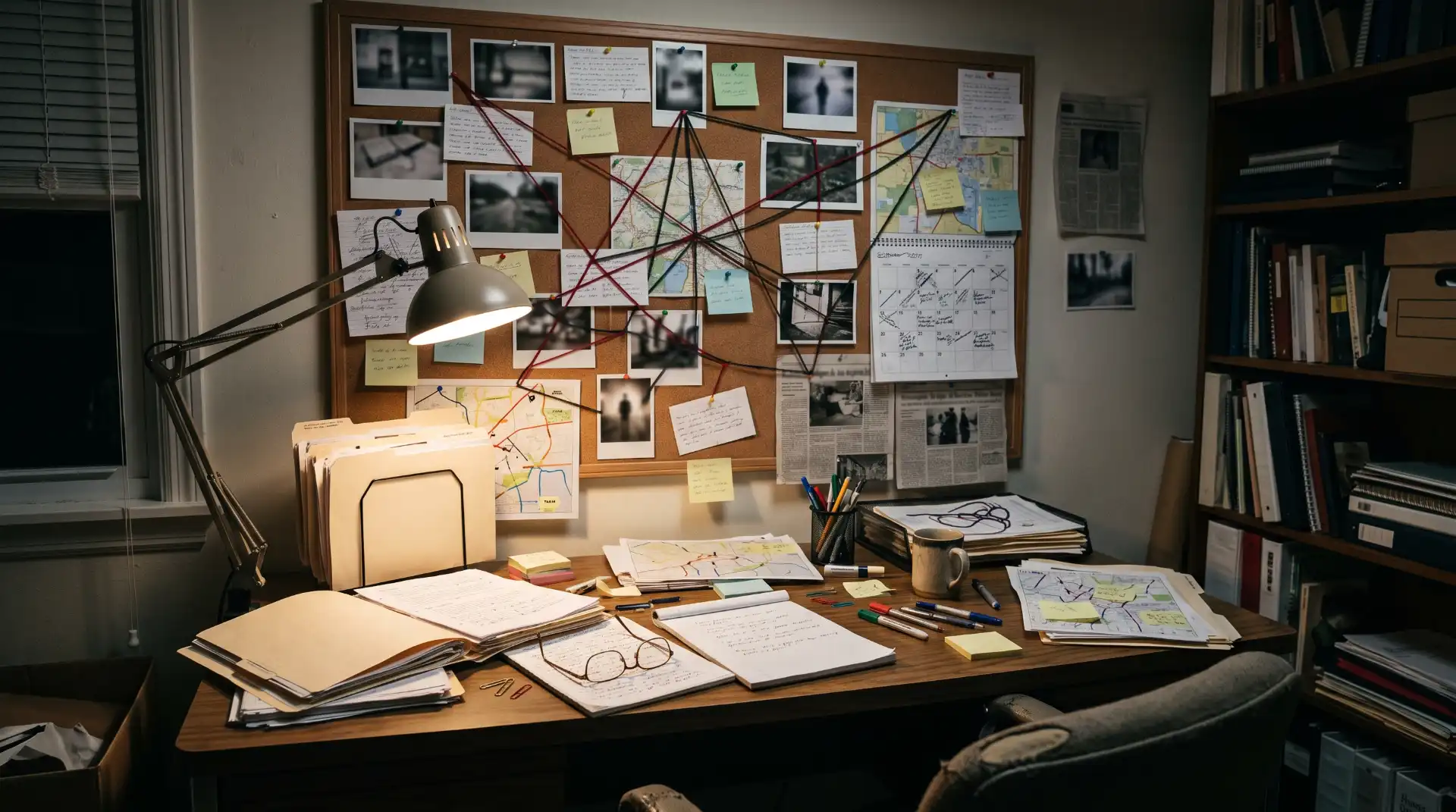
Where to Find Reliable Information About New Thriller Releases
A strong reading list should combine reader recommendations with reliable information about publication dates, formats, and book descriptions.
Publisher websites are useful for confirming official titles, author information, and release details. Bookstores can help you compare available editions, while libraries offer an opportunity to discover new writers without committing to a purchase.
Goodreads can also help readers explore community lists and track upcoming mystery and thriller releases. Its 2026 mystery and thriller new releases list is a useful starting point for browsing titles and seeing how readers respond to them. Reader-generated lists can change over time, so use them as discovery tools rather than definitive rankings.
For additional editorial recommendations, Penguin’s guide to the best psychological thriller books discusses both established favorites and newer releases, including several titles published in 2026.
Comparing multiple sources is especially useful when a book has an unusual premise or when publication dates differ between countries. A novel may be available in one format before another, and a title released internationally may reach US bookstores on a different schedule.
Final Thoughts: Find Your Next Unforgettable Psychological Thriller
The best psychological thriller books of 2026 offer more than shocking twists. They examine the fragile foundations of trust, the stories people tell about themselves, and the consequences of discovering that someone close to you may not be who you believed.
New releases such as The Exes, Caller Unknown, The Other You, Such a Nice Girl, and My Husband’s Wife provide different entry points into contemporary suspense. Meanwhile, established novels such as Gone Girl, The Silent Patient, The Girl on the Train, and None of This Is True continue to demonstrate why unreliable narrators and complicated relationships remain so effective.
You do not need to read every popular title to find a memorable story. Start with the kind of suspense you enjoy most, whether that means a marriage filled with secrets, a mystery involving uncertain memories, or a family whose public image hides a troubling reality.
Then give yourself permission to follow the clues, question your assumptions, and enjoy the uncertainty. The right psychological thriller will make you want to read just one more chapter, even when you know you should put the book down.
Explore Bookzee for more reading inspiration, save the titles that interest you, and build a reading list that combines fresh 2026 releases with the psychological thrillers you have always wanted to discover. The next unforgettable ending may be waiting on the very first page.