
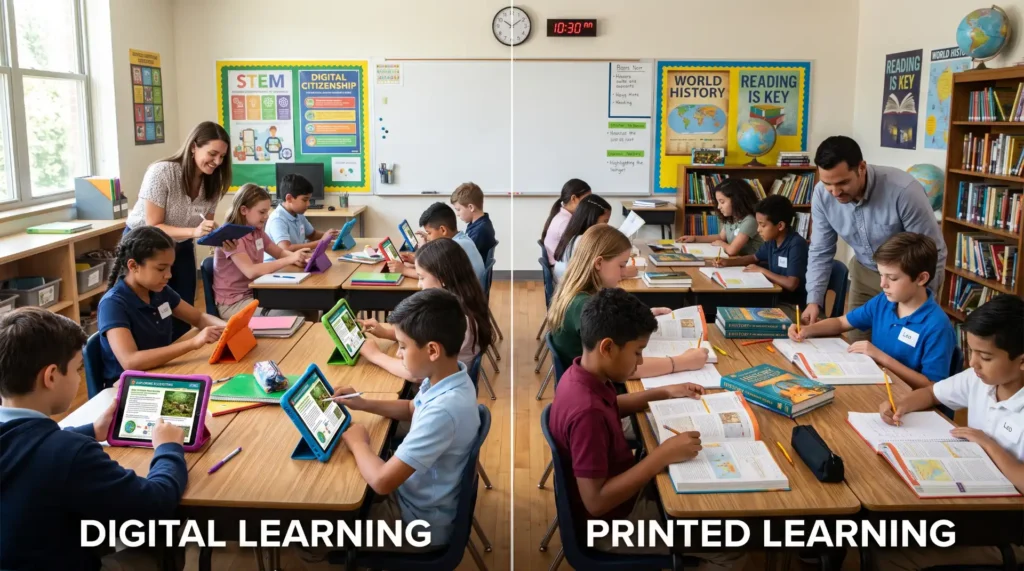
Reading has never been more accessible than it is today. In the United States, people can instantly download thousands of books through digital libraries or still walk into a bookstore or public library and hold a physical copy in their hands. This shift has created an ongoing debate that is no longer just about preference—it reflects changes in lifestyle, technology, education, and even attention spans.
The discussion around digital libraries versus physical books is not about one replacing the other. Instead, it is about how each format serves different needs in a rapidly evolving reading culture. As technology continues to reshape how Americans consume information, understanding the strengths and limitations of both formats is essential for students, professionals, and casual readers alike.
 The Rise of Digital Libraries in Modern Reading
Digital libraries have transformed how people access knowledge. With a smartphone, tablet, or e-reader, readers can carry an entire library in their pocket. Platforms such as Kindle, Apple Books, Google Books, and public library apps like Libby have made reading more convenient than ever before.
One of the biggest drivers behind digital library growth is accessibility. Readers no longer need to wait for physical shipping, visit a bookstore, or worry about limited copies. A single account can provide instant access to thousands of titles, including bestsellers, academic materials, and rare publications.
Another factor is cost efficiency. Many digital libraries offer free borrowing through public library systems in the United States. This has made reading more inclusive, especially for students and families looking to reduce expenses while still accessing high-quality content.
Digital reading also fits modern lifestyles. People commute, travel, and multitask more than ever. Being able to switch between devices and continue reading from where they left off creates a seamless experience that traditional books cannot replicate.
The Enduring Value of Physical Books
Despite technological advances, physical books remain deeply rooted in American reading culture. Independent bookstores, public libraries, and personal home collections continue to thrive. For many readers, the experience of holding a book is irreplaceable.
Physical books offer a tactile experience that digital screens cannot replicate. The weight of the book, the texture of the pages, and even the smell of printed paper contribute to a sensory connection with reading. This physical interaction often enhances memory retention and emotional engagement.
There is also a psychological aspect to physical reading. Studies suggest that readers often comprehend and retain information better when reading printed material compared to screens. This makes physical books especially popular among students preparing for exams or professionals studying complex topics.
Another important factor is distraction-free reading. Unlike digital devices that often include notifications, apps, and internet access, physical books provide a focused environment. This simplicity helps readers stay immersed in the content for longer periods.
How Reading Habits Are Changing in the United States
In the United States, reading habits have evolved significantly over the past decade. Digital consumption has increased across all age groups, but physical books have not disappeared. Instead, a hybrid reading culture has emerged.
Younger readers, especially Gen Z and millennials, tend to prefer digital formats due to convenience and affordability. However, many still purchase physical books for collection purposes or deeper reading experiences.
Older generations often maintain a stronger preference for printed books, valuing tradition and ease of use without screens. Yet even among this group, digital libraries are becoming more common, particularly through public library systems offering free digital lending.
The result is not competition, but coexistence. Readers now choose formats based on context—digital for travel and convenience, physical for study or relaxation.
 Cognitive Differences Between Digital and Print Reading
The debate between digital libraries and physical books often includes cognitive performance. Research in reading psychology suggests that each format affects the brain differently.
Digital reading tends to encourage faster scanning and selective attention. Readers are more likely to skim content, especially on screens. This is useful for news, short articles, and research, but may reduce deep comprehension if used exclusively.
Physical reading encourages slower processing and deeper focus. Without digital distractions, readers are more likely to engage with complex ideas and retain long-term understanding.
However, the difference is not absolute. Reader habits play a larger role than format alone. A focused reader can deeply engage with digital content just as a distracted reader can lose concentration with physical books.
Accessibility and Education Impact
One of the strongest arguments in favor of digital libraries is accessibility. In the United States, students from rural areas or underserved communities can access thousands of academic resources without needing physical infrastructure.
Digital libraries also support learners with disabilities. Adjustable font sizes, text-to-speech features, and screen customization make reading more inclusive for individuals with visual impairments or learning differences.
Educational institutions increasingly rely on digital textbooks as well. Schools and universities often adopt hybrid models where students use both printed materials and online resources. This reduces costs and improves access to updated content.
However, physical books still play a critical role in education. Many educators prefer printed textbooks for foundational learning, especially in early education where screen time is a concern.
Environmental Considerations
The environmental impact of reading formats is another important aspect of the debate. Physical books require paper, ink, and transportation, all of which contribute to carbon emissions. However, they are durable and can be reused or resold for years.
Digital libraries eliminate the need for physical production, but they rely on electronic devices and data centers, which also consume energy. The environmental footprint of digital reading is complex and depends on device lifespan, usage patterns, and energy sources.
In general, heavy readers may find digital formats more environmentally efficient over time, while occasional readers may not see a significant difference between the two.
 Emotional and Cultural Connection to Books
Books are more than information sources—they are cultural objects. Physical books often carry sentimental value. People keep favorite novels, annotate margins, or display collections as part of their identity.
Libraries and bookstores also serve as social and cultural spaces. In many American communities, they remain important gathering points for learning, events, and discussions.
Digital libraries, while highly efficient, often lack this emotional and communal experience. They prioritize function over tradition, which appeals to modern lifestyles but may feel less personal.
Cost and Ownership Differences
Cost plays a major role in reading choices. Digital libraries often reduce upfront costs significantly. Many books can be borrowed for free or purchased at lower prices compared to print editions.
Physical books, however, offer ownership in a tangible sense. Readers can lend them, resell them, or keep them indefinitely without relying on digital platforms or subscriptions.
There is also the issue of digital licensing. In many cases, users do not truly “own” digital books in the same way they own physical copies. Access can depend on platform policies, subscriptions, or account status.
The Future of Reading in America
The future of reading is not about choosing one format over the other. Instead, it is about integration. Digital libraries will continue to expand, especially with AI-driven recommendations, summaries, and personalized reading experiences.
At the same time, physical books will remain relevant due to their emotional, educational, and cognitive benefits. Many publishers are already adopting hybrid strategies, releasing both print and digital versions simultaneously.
Emerging technologies like augmented reality (AR) and artificial intelligence (AI) may further blend the two experiences. Readers could interact with physical books enhanced by digital overlays or access AI-generated insights while reading print editions.