
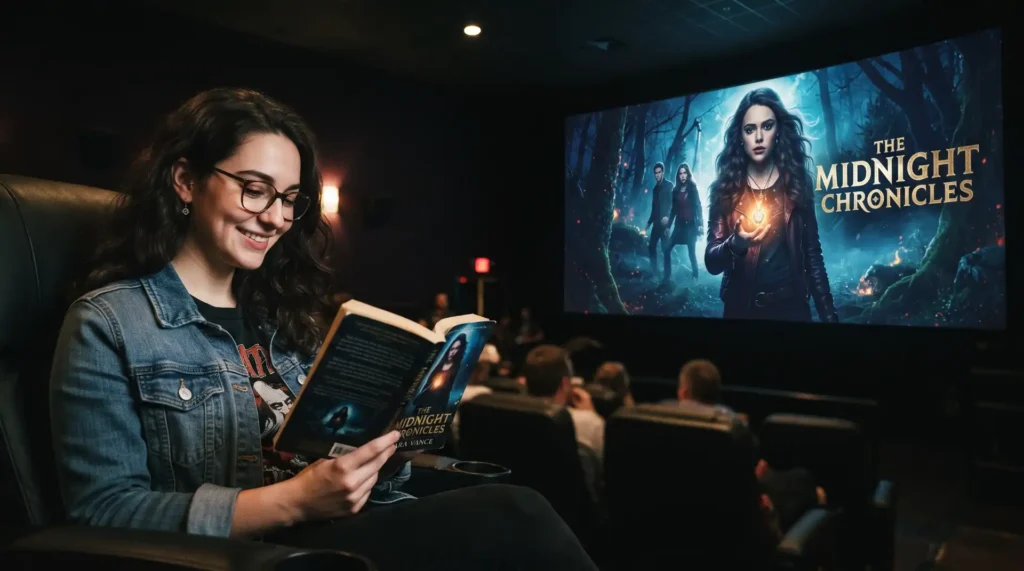
When a beloved novel becomes a major movie or streaming series, the effect extends far beyond the screen. Film adaptations can send readers back to bookstores, place decades-old titles on bestseller lists, inspire new cover designs, and introduce literary characters to audiences who might never have encountered them on the printed page. In the United States, where entertainment culture and publishing are closely connected, an adaptation can transform an overlooked book into a national conversation almost overnight.
This influence is not limited to newly published fiction. A successful screen adaptation can revive a classic, bring an out-of-print novel back into circulation, or encourage readers to explore an author’s entire body of work. It can also shape how people imagine a book before they read it. Once an actor’s face, a director’s visual style, or a film’s setting becomes widely recognizable, those elements can become difficult to separate from the original story.
Understanding how film adaptations influence book sales and reading habits reveals something important about American literary culture. Movies do not simply borrow stories from books. They also determine which books receive renewed attention, who discovers them, and how those stories are interpreted by a new generation.
Film Adaptations Give Books a Second Publication Moment
Most books receive their greatest promotional attention around their original publication date. Reviews appear, interviews are released, bookstores create displays, and publishers run advertising campaigns. After that initial period, visibility normally declines. Even a well-reviewed novel may gradually disappear from prominent shelves as new titles arrive.
A film announcement can restart that entire cycle. The moment a studio reveals that a book has been optioned, cast, or scheduled for release, readers begin searching for it. Publishers may print new editions, bookstores may reorder inventory, and online retailers may highlight the title in adaptation-related collections. Media outlets also produce articles explaining the original story and comparing it with the upcoming screen version.
This creates what might be called a second publication moment. A novel that is five, ten, or even fifty years old can suddenly receive the attention normally reserved for a new release. For the author, the adaptation can introduce the work to a much larger audience. For readers, it can make an older book feel current and culturally relevant again.
The effect has become even stronger in the streaming era. A book no longer needs a traditional theatrical release to receive renewed attention. A streaming series can reach millions of American households at once, while recommendation systems keep it visible for weeks or months. Viewers who discover a show long after its premiere may still seek out the source novel, creating a longer and less predictable sales cycle.

Movies Turn Backlist Books Into Bestsellers
Publishers use the term “backlist” for books that remain available after their initial season of publication. These titles are essential to the industry because they can generate steady sales for years. An adaptation can dramatically increase that demand.
When a movie trailer gains attention or a streaming series becomes a surprise hit, viewers often want more of the story. Some purchase the book before watching because they prefer to encounter the original version first. Others read it afterward to discover scenes, characters, or explanations that the adaptation left out. Both behaviors can push an older title back onto bestseller lists.
Adaptations are especially powerful when they create a sense of cultural participation. A person may pick up the source novel because friends are discussing the show, a book club has selected it, or social media is filled with comparisons between the page and screen versions. Reading the book becomes a way to join the conversation.
This pattern helps explain why familiar titles regularly reappear in prominent bookstore displays. Their return does not necessarily reflect a sudden change in literary taste. It may be connected to casting news, an award nomination, a theatrical premiere, or a title becoming available on a major streaming platform.
Screen Versions Introduce New Generations to Classic Books
Classic literature often reaches American readers through schools, family recommendations, or cultural references. Film adaptations provide another entry point. A visually striking or widely discussed production can make an older novel feel more accessible to younger audiences.
For some readers, the screen version reduces the intimidation associated with a long or stylistically challenging book. Knowing the basic plot and characters can make the original text easier to approach. The film serves as a map, allowing the reader to concentrate on the author’s language, themes, and ideas without feeling lost in the story.
However, this relationship can work in the opposite direction as well. Students who first encounter a novel in class may watch an adaptation to clarify difficult passages or compare interpretations. A teacher might use selected scenes to discuss point of view, historical setting, symbolism, or the choices involved in translating a written story into a visual medium.
The continued circulation of classic stories through film does not mean that every adaptation faithfully preserves the source. It does mean that those stories remain visible. Each new version gives the book another opportunity to reach people who were not part of its original audience.
Adaptations Shape Which Contemporary Novels Receive Attention
The possibility of a screen adaptation now influences how many American readers discover contemporary books. Announcements about film rights sometimes appear before a novel is even released. Phrases such as “soon to be a major motion picture” or “now a streaming series” function as powerful marketing signals.
For readers, adaptation news can suggest that a book contains a compelling plot, vivid characters, or a cinematic setting. It creates curiosity about why producers considered the story suitable for the screen. Some people buy the novel because they want to read it before actors and filmmakers establish a definitive visual interpretation.
This process can benefit genres that translate readily into dramatic entertainment. Thrillers, mysteries, romances, fantasy adventures, historical dramas, and young adult novels often receive considerable adaptation attention. Highly internal or experimental works may be less likely to attract the same interest, even when they are critically acclaimed.
As a result, the adaptation market may indirectly influence which books receive the most promotion. Publishers know that screen potential can increase a title’s commercial appeal. Booksellers know that adaptation announcements attract customers. Readers, in turn, encounter more recommendations for novels with current or potential screen connections.
Movie Tie-In Covers Change How Readers See a Book
One of the clearest signs of an adaptation’s influence is the movie tie-in edition. The original cover may be replaced by a photograph of the lead actors, an image from the production, or visual branding associated with the film. A promotional badge may announce that the book is now a movie or television series.
These covers help viewers immediately recognize the connection between the book and the screen production. Someone who enjoyed the adaptation can find the original story without needing to remember the author’s name. The design also allows bookstores to place the book near movie merchandise, entertainment displays, or other adapted titles.
Not every reader welcomes the change. Many book lovers prefer original cover art because it allows the novel to maintain an identity separate from the film. They may feel that actor-centered covers limit the imagination by telling readers exactly how the characters should look.
Publishers frequently keep multiple editions available for this reason. One version appeals to audiences drawn in by the screen adaptation, while another preserves a more traditional literary appearance. The coexistence of these covers demonstrates how one story can be marketed to different groups of readers.
Actors Can Permanently Influence Literary Characters
Before an adaptation, readers construct characters from written description, personal experience, and imagination. After a famous actor takes the role, that individual’s face, voice, and mannerisms can become inseparable from the character in popular culture.
This effect can influence both first-time and returning readers. New readers may automatically imagine the cast while reading. People who knew the book earlier may find that their original mental images have been replaced. Dialogue can even seem to carry the actor’s rhythm or accent.
A strong performance may deepen interest in a character and encourage viewers to explore the book’s more detailed portrayal. Supporting figures who receive limited screen time may have larger roles in the novel. Internal thoughts, memories, and motivations that were difficult to show in a movie may become central on the page.
Casting can also generate debate when an actor differs from readers’ expectations. Those discussions may bring renewed attention to the source text as people return to the book to examine how the character was originally described. In this way, even controversy can stimulate reading and literary discussion.

Book Clubs Benefit From Page-to-Screen Conversations
Film adaptations are natural choices for American book clubs because they provide two related works to discuss. Members can read the novel, watch the adaptation, and compare the experience of each format. This often produces a livelier conversation than discussing either work alone.
Questions quickly arise. Why was a character removed? Why did the filmmakers change the ending? Did the actors match the descriptions in the book? Did the visual setting strengthen the story or make it feel less personal? These comparisons help readers think more closely about narrative structure and interpretation.
Adaptations can also make participation easier for groups with different reading preferences or schedules. Some members may listen to the audiobook, others may read a print or digital edition, and the group may watch the movie together. Although viewing the film is not the same as reading the book, the shared story provides multiple ways to participate.
The National Endowment for the Arts explains that its NEA Big Read initiative uses shared reading experiences to encourage conversation, celebrate varied voices, and strengthen community connections. Adaptation discussions can support similar goals by giving readers a familiar cultural reference point from which to examine a book’s ideas.
Streaming Has Accelerated the Book-to-Screen Cycle
Traditional film releases once created a relatively concentrated period of attention. Marketing increased before opening weekend, peaked around the premiere, and gradually declined. Streaming has made the relationship between books and screen entertainment more continuous.
A series may remain prominent on a platform for an extended period. New viewers discover it at different times, and each wave of attention can produce fresh book sales. An adaptation may also return to popularity when a new season is announced, an actor receives an award, or social media users rediscover a memorable scene.
Series adaptations are particularly influential because they allow more room for plot and character development. Viewers may become invested in a fictional world over several episodes and then purchase an entire book series rather than a single volume. If later seasons have not yet been released, readers may turn to the novels to learn what happens next.
Streaming also exposes American audiences to stories from outside the United States. A subtitled or dubbed production can lead viewers to translated novels, international crime series, global romances, and literary traditions they might not otherwise encounter. The screen becomes a bridge to a broader reading culture.
Social Media Turns Adaptations Into Reading Events
The connection between movies and book sales is amplified by social media. Trailers, casting announcements, reaction videos, and page-to-screen comparisons can circulate rapidly. Readers post favorite passages, explain differences between versions, and recommend whether others should read the book before watching.
These discussions create anticipation. Months before a release, users may organize read-alongs or revisit earlier books in a series. After the premiere, debates about changes can keep the title visible. Even a negative response to an adaptation can benefit the book if readers become curious about why fans believe the original was better.
Online communities are especially influential among younger American readers. A visually compelling clip can introduce a title to someone who rarely follows traditional book reviews. If creators begin recommending the source novel, the resulting attention can spread across reading platforms, video apps, podcasts, and online bookstores.
The combination of streaming availability and social discussion means that adaptations now function as ongoing events rather than isolated releases. A story can move repeatedly between the page, the screen, and the online conversation surrounding both.
Film Versions Can Change the Meaning Readers Find in a Book
An adaptation is never a neutral copy. Filmmakers must select which scenes to include, whose perspective to emphasize, and how to represent the story’s setting. Time limits often require subplots to be shortened or removed. Internal narration may be transformed into dialogue, action, or visual symbolism.
These decisions affect what audiences believe the story is about. A complex novel may become a fast-paced thriller. A dark satire may be presented as a romance. A secondary character may receive a larger role because of an actor’s performance or because the filmmakers want to speak to contemporary concerns.
When viewers later read the book, they may be surprised by its tone or emphasis. The original may be slower, stranger, more ambiguous, or more politically complex than the adaptation. That difference can become one of the pleasures of reading. The book is not merely a longer version of the movie; it is a separate work with its own methods and priorities.
Historical context also matters. A modern adaptation may update the setting, language, relationships, or social assumptions of an older novel. These changes can make the story more immediate for contemporary audiences, but they can also alter the questions the original author was exploring.
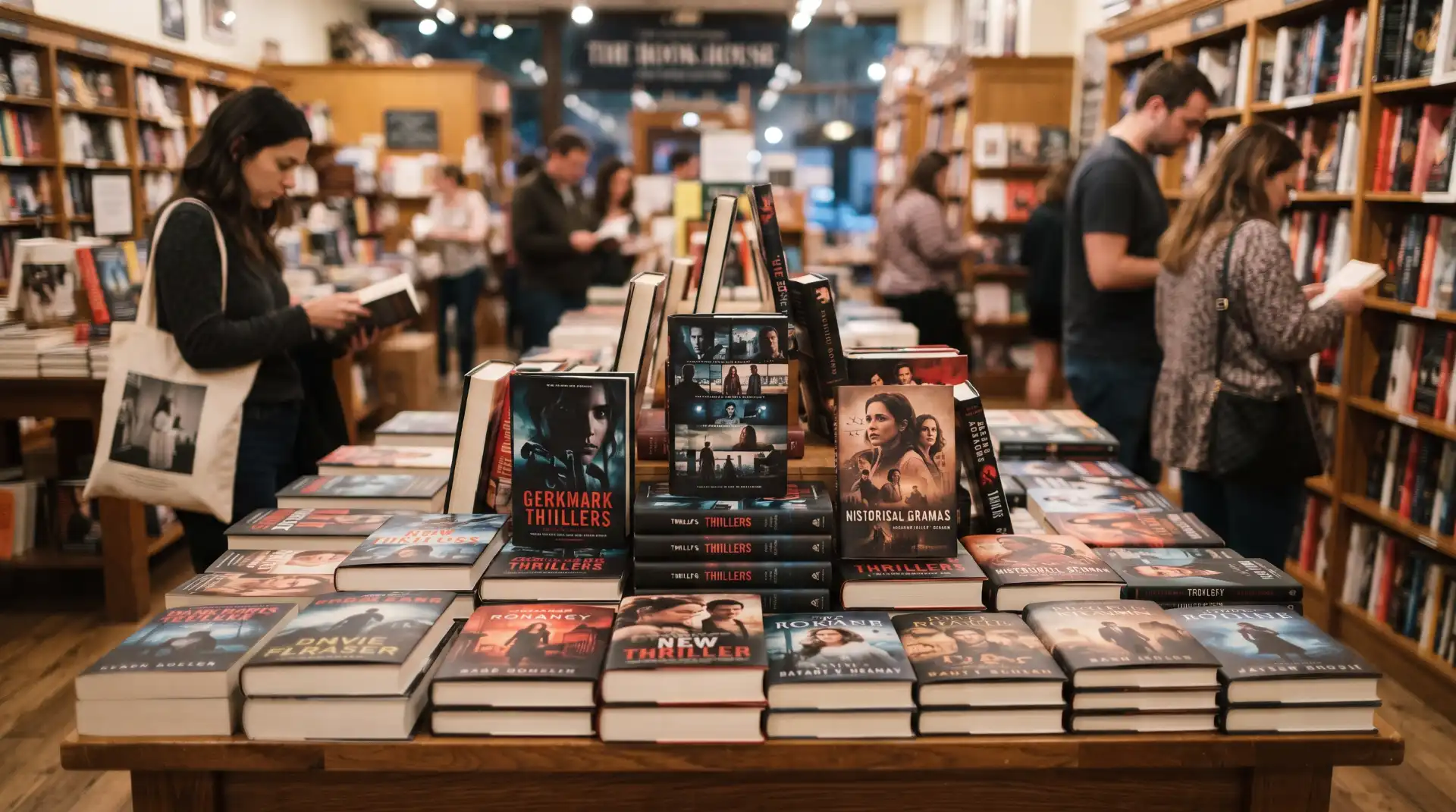
Adaptations Encourage Readers to Compare Rather Than Choose
Discussions of adaptations often focus on a single question: Was the book better than the movie? That question can be entertaining, but it overlooks the fundamental differences between the two forms.
A novel can move freely through memory, reflection, and interior thought. It can spend pages on a small observation or shift between multiple narrators without worrying about production costs. Film communicates through performance, sound, editing, music, lighting, and visual composition. A moment described in several pages can be expressed in a few seconds on screen.
Because the tools are different, perfect faithfulness is rarely possible. A more useful comparison asks what each version does especially well. The book may offer psychological depth, while the film makes the setting vivid. The novel may preserve ambiguity, while the adaptation creates an emotionally powerful performance. The screen version may also help readers notice themes they missed on the page.
Approaching adaptations this way encourages curiosity rather than competition. Readers can appreciate the book as the original literary work while recognizing the film as an interpretation shaped by different artists.
Adaptation Success Can Transform an Author’s Career
A major adaptation can affect more than one book. When viewers discover an author through a movie or television series, they often seek out that writer’s earlier titles. Publishers may redesign an entire backlist, release boxed sets, or commission new introductions that connect the works to the adaptation.
The author may receive invitations for interviews, festivals, bookstore appearances, and public discussions. If the screen version succeeds, publishers may also show greater interest in future manuscripts. Other works by the same writer may be considered for adaptation.
This attention can be particularly meaningful for authors whose books initially reached a limited audience. A screen production can cross geographic, demographic, and cultural boundaries more quickly than traditional book promotion. Viewers who might never browse the novel’s original bookstore category may nevertheless become interested after watching the adaptation.
The effect is not always entirely positive. Some authors have limited control over the final screen version, and audiences may mistakenly assume that changes were their decisions. The adaptation can overshadow the book or reduce a complex body of work to one famous title. Nevertheless, increased visibility often gives readers more opportunities to discover the author’s writing.
Adaptations Influence Libraries, Schools, and Bookstores
When an adaptation becomes popular, libraries frequently experience increased demand for the source material. Holds may grow, additional copies may be ordered, and librarians may create displays featuring related books. These displays can include other works by the author, books from the same historical period, or novels with similar themes.
Bookstores respond in much the same way. A film adaptation provides a recognizable theme for arranging titles and guiding customers toward additional reading. Someone who enjoyed an adapted historical romance might be introduced to similar novels. A viewer interested in a fantasy series may discover other authors within the genre.
Schools may also revisit a title after a prominent adaptation. A new film can provide opportunities to discuss media literacy, historical interpretation, and the practical decisions involved in transforming prose into a screenplay. Students can evaluate what was changed and consider how those choices affect meaning.
These institutional responses extend the adaptation’s influence beyond individual purchases. A screen release can shape community reading programs, classroom conversations, library circulation, and bookstore recommendations across the country.
Not Every Adaptation Produces Lasting Reading Interest
Although screen exposure can dramatically increase attention, not every boost lasts. Some viewers buy a book because it is fashionable but never finish it. Others discover that the source novel differs too much from the production they enjoyed. A heavily promoted adaptation may generate a short burst of sales followed by a rapid decline.
The strength of the connection often depends on what viewers want after watching. Stories with extensive world-building, sequels, unresolved mysteries, or deeply developed characters give audiences a reason to continue reading. Adaptations that simplify a complex novel may also encourage people to seek the fuller version.
Long-term interest is more likely when readers connect with the author rather than only the screen production. If the adaptation inspires someone to explore additional titles, join a book club, or return to a genre, its literary effect can continue after the movie leaves theaters or the series disappears from trending lists.
How Readers Can Get More From Book Adaptations
There is no correct order for experiencing a book and its adaptation. Reading first preserves the freedom to imagine the characters and setting without the film’s influence. Watching first can make a complicated book easier to enter. The better choice depends on the reader, the story, and the kind of experience desired.
Readers who want a deeper comparison can pay attention to point of view, structure, and omission. A scene that appears unchanged may feel entirely different when it is shown externally rather than narrated through a character’s thoughts. A missing subplot may reveal what the filmmakers considered essential. A new ending may reflect commercial expectations, time constraints, or a different interpretation of the story.
It is also helpful to remember that both versions can succeed independently. Enjoying the film does not require approving every departure from the book. Loving the novel does not prevent someone from appreciating the acting, cinematography, music, or design of the adaptation.
Why Film Adaptations Will Continue to Shape American Reading
Film and publishing serve different audiences, but they rely on the same fundamental attraction: the desire for memorable stories. Books offer filmmakers established worlds, characters, and communities of readers. Screen adaptations return that value by giving books renewed visibility and access to larger audiences.
As streaming services, social platforms, publishers, libraries, and bookstores become more interconnected, adaptations will continue to influence what Americans place on their reading lists. A trailer can revive a forgotten classic. A television finale can send viewers searching for the next volume. A casting announcement can introduce millions of people to an author they have never read.
This cycle does more than increase sales. It changes how stories circulate through American culture. Books move from private reading experiences into shared public conversations, while movies send audiences back to the page in search of greater depth.
Final Thoughts
Film adaptations have become one of the most powerful forces shaping book discovery in the United States. They revive backlist titles, introduce classics to younger readers, influence cover design, guide book club selections, and transform authors’ careers. They can also reshape how readers picture characters and interpret a story’s meaning.
The relationship between books and movies is not a contest in which one form must defeat the other. At its best, adaptation creates a conversation. The film offers one interpretation, while the book preserves the detail, language, and imaginative freedom of the original. Readers who explore both gain a richer understanding of how stories change as they move from one medium to another.
The next time a novel appears beside its screen adaptation on a bookstore display, it is worth considering what that pairing represents. It is not simply a marketing strategy. It is evidence of an ongoing exchange that continues to change which books Americans discover, revisit, discuss, and remember.