
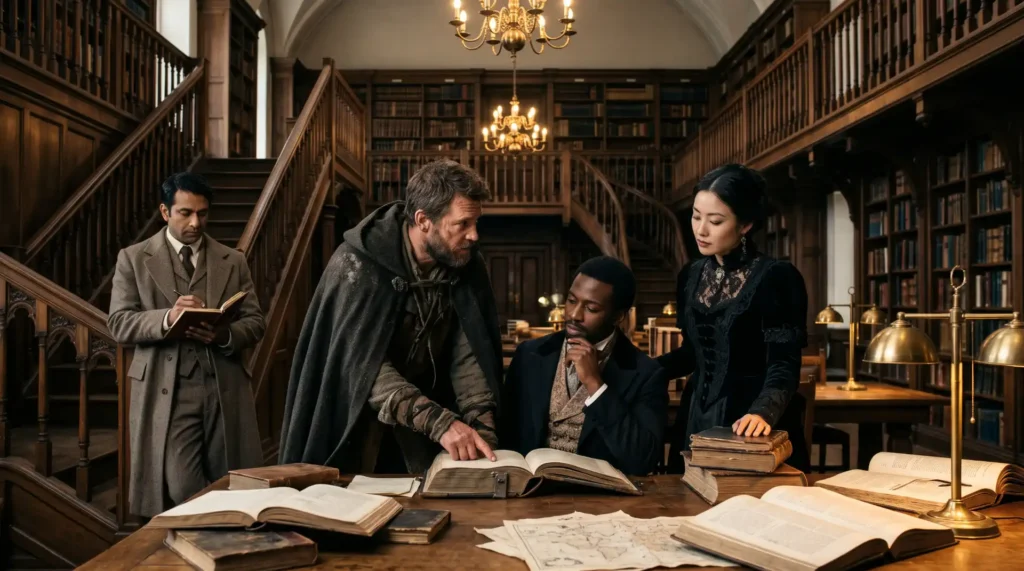
When Readers Step Beyond the Pages
For generations, reading has allowed people to escape ordinary life and enter worlds created through imagination. A well-written novel can introduce readers to unforgettable characters, mysterious locations, magical kingdoms, historical periods, and complicated fictional relationships. People become emotionally invested in these stories, sometimes remembering particular characters long after finishing the final chapter.
Traditionally, this connection existed primarily through reading, discussing, and recommending books. Readers might join a book club, write reviews, collect favorite editions, or exchange opinions with friends. Today, however, literary enthusiasm is developing in another direction. Instead of simply talking about fictional characters, some readers are finding creative ways to become part of the worlds they love.
This growing form of participation is commonly described as literary cosplay.
Literary cosplay involves dressing up as characters from books, recreating fictional outfits, developing themed accessories, and sometimes adopting the visual atmosphere of an entire fictional universe. It can range from an elaborate costume based on a fantasy protagonist to a simple outfit inspired by a detective in a classic mystery novel.
The activity connects traditional reading culture with costume design, creative fashion, social media, photography, and live entertainment. Readers are no longer limited to imagining what a fictional character looks like. They can interpret that character through clothing, makeup, props, handmade accessories, and personal creativity.
The growing interest in literary cosplay also reflects a broader transformation in American book culture. Reading is increasingly becoming a social experience that extends beyond bookstores and private reading spaces. Book-themed gatherings, fantasy balls, author events, themed parties, and convention activities give readers opportunities to meet people who share their interests.
Eventbrite’s 2026 reporting provides an interesting indication of this development. Its analysis of U.S. book events found that book clubs hosted on the platform increased by 50% year over year in 2025, while romantasy experiences increased by 196%. Searches for events related to the popular A Court of Thorns and Roses series also increased by 228% during January through August 2026 compared with the same period in 2025. These figures suggest that readers are increasingly interested in experiences inspired by fictional worlds, not just the books themselves.
Eventbrite Blog
For American readers, literary cosplay offers a way to combine imagination with real-world friendships and creative expression. It also gives authors, publishers, independent bookstores, and literary event organizers new opportunities to engage audiences.
Understanding why this trend is attracting attention reveals something important about modern reading culture: sometimes, the experience of a story does not end when the book closes.
1. What Is Literary Cosplay?
Literary cosplay is the practice of recreating or interpreting characters from written fiction through costumes, clothing, accessories, makeup, props, and sometimes performance.
The term combines literary fandom with cosplay, a form of creative expression in which participants dress as fictional characters from entertainment and popular culture.
Traditional cosplay is strongly associated with anime, manga, comic books, video games, movies, and television. Literary cosplay extends that practice into the world of printed and written stories.
The distinction is important because literary characters are not always accompanied by official visual references. A reader may encounter a detailed description of a character’s clothing, hairstyle, personality, and surroundings, but the author may never provide an exact visual design.
This gives literary cosplayers considerable creative freedom.
Recreating Characters From Fictional Descriptions
Some literary characters have recognizable appearances that readers can reproduce using relatively simple clothing and accessories.
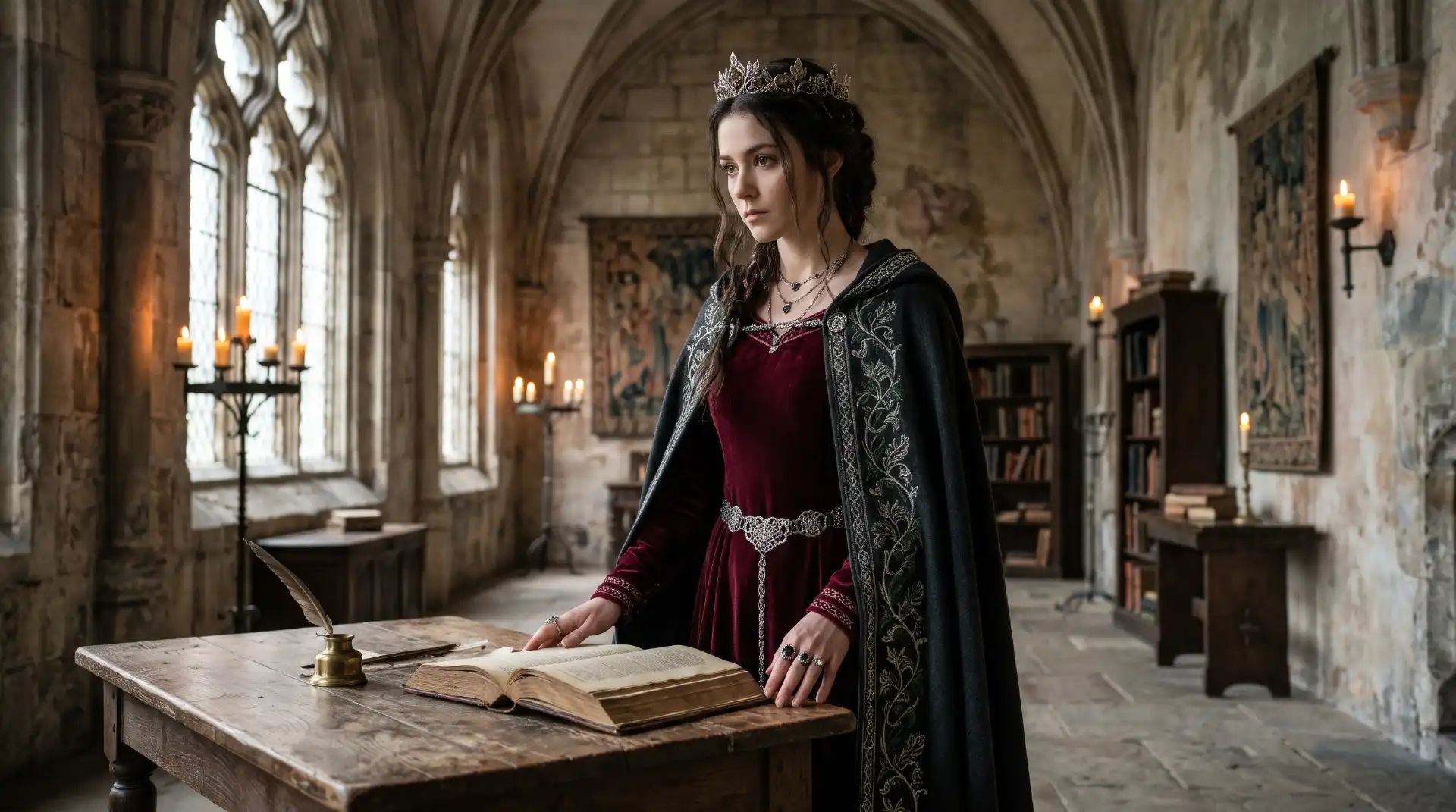
A character from a historical mystery might be represented through a vintage coat, formal hat, pocket watch, and notebook. A fantasy heroine might inspire a flowing dress, decorative jewelry, embroidered cloak, or handmade crown.
Readers often combine descriptions from the original book with their own interpretations.
For example, two people might create costumes based on the same fictional character but produce completely different results. One might focus on the character’s clothing as described in the novel, while another might emphasize the atmosphere, personality, and symbolic details associated with that character.
Neither interpretation necessarily has to be identical to an official illustration.
Book-Inspired Fashion Versus Full Character Cosplay
Not every reader who dresses like a fictional character considers themselves a cosplayer.
Some prefer subtle literary fashion, using clothing inspired by a particular character or fictional setting without attempting a complete transformation.
This might involve wearing a vintage-inspired outfit associated with a classic novel, choosing accessories that represent a fictional kingdom, or recreating the general aesthetic of a favorite book.
Full literary cosplay usually involves a more deliberate attempt to portray a particular character.
Both approaches are part of the broader relationship between literature and personal style. The difference is mainly the level of interpretation, preparation, and character representation.
Why the Practice Appeals to Readers
Literary cosplay allows readers to express their relationship with stories in a visible and creative way.
Someone who loves a particular fantasy series may want to celebrate the characters beyond simply recommending the books. Another reader may enjoy designing costumes and appreciate the opportunity to combine literary interests with sewing, crafting, makeup, and photography.
For some participants, cosplay is primarily about creativity. For others, it is a social activity that makes it easier to connect with people who share similar interests.
The activity does not require professional equipment or expensive costumes. Even a recognizable outfit assembled from ordinary clothing can communicate a reader’s appreciation for a fictional character.
2. Why Literary Cosplay Is Becoming Popular in American Book Culture
Literary cosplay is benefiting from several developments that are changing how readers discover books, participate in fandoms, and spend their leisure time.
Social media has made it easier to share creative interpretations, while book-themed events provide opportunities to bring online communities into physical spaces.
The Influence of BookTok and Visual Book Communities
One of the most important influences on modern book culture is BookTok, the book-focused community on TikTok.
BookTok has helped readers discover new novels, discuss popular characters, share emotional reactions, and recommend stories to large audiences.
Its influence extends beyond conventional book reviews. Creators regularly use visual storytelling to communicate the atmosphere of a book through costumes, decorative backgrounds, character-inspired clothing, and themed photography.
A reader might create a short video showing an ordinary outfit transforming into a fantasy character’s appearance. Another might recreate a fictional character’s bedroom, organize a themed book collection, or demonstrate how to assemble a costume using inexpensive materials.
These videos make literary cosplay accessible to people who might never have attended a traditional cosplay convention.
BookTok also creates opportunities for smaller fandoms to gain visibility. Readers interested in lesser-known novels can discover others who appreciate the same characters and fictional settings.
For a deeper look at this development, Bookzee readers can explore BookTok’s Revolutionary Impact on Reading Culture and Book Selection.
The growth of visual book communities helps explain why reading-related interests are increasingly appearing in fashion, photography, live events, and other forms of creative expression.
The Growth of In-Person Literary Experiences
Another major influence is the renewed interest in meeting fellow readers outside digital platforms.
For years, online communities provided convenient spaces for discussing books. However, readers are increasingly finding opportunities to turn those conversations into real-world experiences.
Book-themed parties, fantasy gatherings, costume contests, themed dinners, and author events allow participants to celebrate stories together.
Eventbrite’s October 2026 reporting describes a shift toward more specialized and immersive literary gatherings. These include fantasy-themed masquerades, book release celebrations, bookstore events, and gatherings where attendees dress as favorite characters. The company also reported growth in U.S. romantasy experiences and their attendance.
Eventbrite Blog
These gatherings provide a natural environment for literary cosplay.
Someone who has spent months discussing a fictional series online can finally meet other readers who recognize the same references, understand the characters, and appreciate the effort involved in creating a costume.
The social experience becomes part of the attraction.
The Popularity of Fantasy Worlds
Fantasy literature is particularly suitable for cosplay because it often contains detailed descriptions of clothing, magical objects, fictional societies, and distinctive visual settings.
Characters may wear elaborate gowns, ceremonial armor, enchanted jewelry, cloaks, uniforms, or symbolic accessories.
These details give readers plenty of material for costume development.
Romantasy, which combines romance and fantasy elements, has also helped bring fictional aesthetics into mainstream book discussions.
Readers may become interested in recreating the appearance of a fictional royal court, attending a fantasy-inspired ball, or designing an outfit that reflects the atmosphere of a favorite series.
However, literary cosplay is not limited to fantasy. Mystery, science fiction, historical fiction, gothic literature, and contemporary romance can all inspire creative interpretations.
A Desire for Creative Self-Expression
Modern readers often use literature as a way to express personal interests and identity.
A favorite character might represent independence, courage, intelligence, humor, resilience, or a particular emotional experience.
Dressing as that character provides an opportunity to communicate those connections through appearance and creative decisions.
For some people, cosplay also provides a chance to experiment with fashion outside their everyday routines.
A person who normally prefers casual clothing might enjoy creating an elaborate historical costume. Someone interested in sewing might use a fictional character as inspiration for learning new techniques.
This combination of literature and creativity gives the activity appeal beyond traditional book collecting.
3. Which Book Genres Inspire the Most Literary Cosplay?
Almost any fictional character can inspire a costume, but certain genres naturally provide more opportunities for visual interpretation.
Fantasy, historical fiction, gothic literature, mystery, science fiction, and romance each offer different possibilities.
Fantasy Fiction: The Perfect Setting for Imaginative Costumes
Fantasy is one of the strongest genres for literary cosplay because authors frequently create elaborate fictional worlds with distinctive clothing, traditions, magical objects, and recognizable character archetypes.
A fantasy novel might describe royal families, warriors, magical scholars, enchanted forests, mysterious creatures, and ancient kingdoms. Each setting provides opportunities for readers to develop costumes that communicate the atmosphere of the story.
Fantasy cosplay does not always require expensive materials. A simple cloak, handmade pendant, decorative belt, and carefully chosen color palette can establish a recognizable character concept.
Readers can also experiment with fantasy-inspired accessories that represent fictional organizations, magical abilities, or family histories.
For example, someone inspired by a fictional royal court might create an outfit featuring embroidered fabric, metallic accessories, and a decorative headpiece. Another reader might interpret a traveling magician through layered clothing, a handmade staff, and a collection of symbolic objects.
The creative possibilities are extensive because fantasy literature frequently encourages readers to imagine things that do not exist in ordinary life.
Historical Fiction: Bringing Another Era Into the Present
Historical fiction provides a different kind of inspiration.
Instead of inventing entirely fictional clothing styles, readers can research historical fashion and recreate outfits associated with particular periods.
Regency-inspired dresses, Victorian coats, Edwardian accessories, and 1920s evening wear are examples of styles that frequently appear in historical literature.
A reader inspired by a nineteenth-century novel might recreate a character using period-inspired clothing, gloves, a bonnet, and carefully selected accessories.
Historical cosplay can also encourage people to learn about the social customs, clothing construction, and cultural details associated with the period.
Accuracy is an important consideration, particularly when a costume is intended to represent a real historical setting. However, readers should understand that historical fiction often combines documented history with creative storytelling.
The goal may be to capture the atmosphere of a novel rather than reproduce an exact historical outfit.
Gothic Literature: Dark Elegance and Mysterious Characters
Gothic fiction offers some of the most visually distinctive possibilities for literary cosplay.
Its settings often include old mansions, isolated estates, mysterious landscapes, dramatic weather, and characters associated with secrets or supernatural events.
Gothic-inspired outfits might feature dark dresses, lace collars, antique-looking jewelry, velvet jackets, high-necked shirts, and dramatic accessories.
Readers interested in classic gothic literature can create costumes inspired by the atmosphere of these stories rather than attempting to reproduce a single character.
This approach is particularly useful for book-themed Halloween parties, literary photography, and gothic book club gatherings.
It also provides opportunities to combine literature with vintage fashion and theatrical makeup.
Mystery and Detective Fiction: Recognizable Without Elaborate Costumes
Mystery novels offer another interesting approach because their characters are often recognized through practical details.
A detective might be represented by a trench coat, notebook, magnifying glass, formal hat, or distinctive pair of glasses.
Historical detective characters can inspire more elaborate interpretations, but even a simple outfit can communicate the central idea.
Readers might also organize group cosplay events based on fictional investigations.
One participant could portray a detective, while others dress as witnesses, suspects, or supporting characters. The gathering could include trivia, mystery games, and discussions about favorite fictional investigations.
This makes mystery literature especially suitable for interactive book club events.
Science Fiction: Futuristic Fashion and Imaginary Technology
Science fiction provides opportunities to experiment with futuristic clothing and unusual materials.
Characters may inhabit distant planets, advanced civilizations, underground societies, or imagined versions of the future.
Cosplayers can interpret these settings through metallic fabrics, geometric patterns, structured jackets, unusual accessories, and futuristic makeup.
Some readers prefer a faithful recreation of a particular character, while others develop original outfits inspired by the technology and visual atmosphere described in a novel.
Science fiction cosplay can also include handmade fictional devices, identification badges, communication equipment, and other nonfunctional accessories.
The important element is creating an appearance that reflects the story’s imaginative world.
Contemporary Romance: Everyday Characters With Personal Style
Contemporary romance may appear less visually dramatic than fantasy or historical fiction, but it offers plenty of inspiration.
Readers can recreate outfits based on characters’ professions, personal styles, hobbies, and memorable scenes.
A character might be associated with a particular sports uniform, workplace outfit, favorite color, or distinctive accessory.
Some romance fans prefer casual character-inspired fashion rather than complete costumes.
This makes the genre accessible to readers who want to participate without purchasing wigs, elaborate dresses, or specialized materials.
4. How BookTok Is Turning Literary Characters Into Visual Trends
The relationship between literature and visual social media has changed considerably.
A book can now inspire an entire collection of online content, including reviews, reaction videos, reading challenges, character edits, themed photography, and cosplay tutorials.
This development has helped transform fictional characters into recognizable visual identities.
Character Aesthetics and the Rise of Book-Inspired Outfits
An aesthetic is a collection of visual elements that communicate a particular mood, style, or identity.
In literary communities, readers frequently associate certain characters with specific colors, clothing styles, accessories, and environments.
A character described as an adventurous traveler might inspire practical boots, layered clothing, leather accessories, and a weathered-looking bag.
A fictional academic might inspire tailored jackets, classic shirts, vintage notebooks, and traditional accessories.
These interpretations can be shared through short videos, photographs, and outfit demonstrations.
Readers do not always need to identify themselves as cosplayers. Sometimes they simply enjoy incorporating literary influences into everyday fashion.
This has helped make character-inspired clothing more accessible to people who prefer subtle expressions of fandom.
Short-Form Videos and Costume Transformations
Short-form video platforms provide an effective way to demonstrate the creative process behind literary cosplay.
A creator might begin with ordinary clothing and gradually introduce costume elements until the finished appearance resembles a fictional character.
Other videos focus on makeup techniques, sewing projects, accessory construction, or the process of interpreting a character’s written description.
The format is particularly useful because viewers can see how a costume develops rather than only viewing the final result.
It also encourages participation. Someone watching a transformation video might decide to create their own version of the character or experiment with a different interpretation.
Why Readers Enjoy Sharing Their Costumes
Sharing literary cosplay online can provide several benefits.
It allows creators to receive feedback, discover new costume ideas, and connect with readers who enjoy the same books.
It can also help people find smaller fandom communities that are difficult to locate through traditional book clubs.
However, social media should not become the only measure of success.
A costume does not need thousands of views, professional photography, or expensive materials to be meaningful.
Readers should feel comfortable participating at their own level, whether that means sharing a detailed costume tutorial or simply posting a photograph of an outfit inspired by a favorite novel.
For additional perspective on this issue, Bookzee’s article about the rise of pseudo-reading culture explores the difference between genuinely engaging with literature and presenting reading primarily as a social media image.
Literary cosplay can be an enjoyable expression of fandom when the creative experience remains more important than online attention.
5. How Literary Cosplay Is Transforming Book Clubs
Traditional book clubs generally follow a familiar format. Members select a book, read it over a particular period, meet to discuss the story, and decide what to read next.
This approach remains valuable, but some groups are experimenting with more immersive activities.
Literary cosplay provides one way to make book club meetings more interactive.
Character-Themed Book Club Meetings
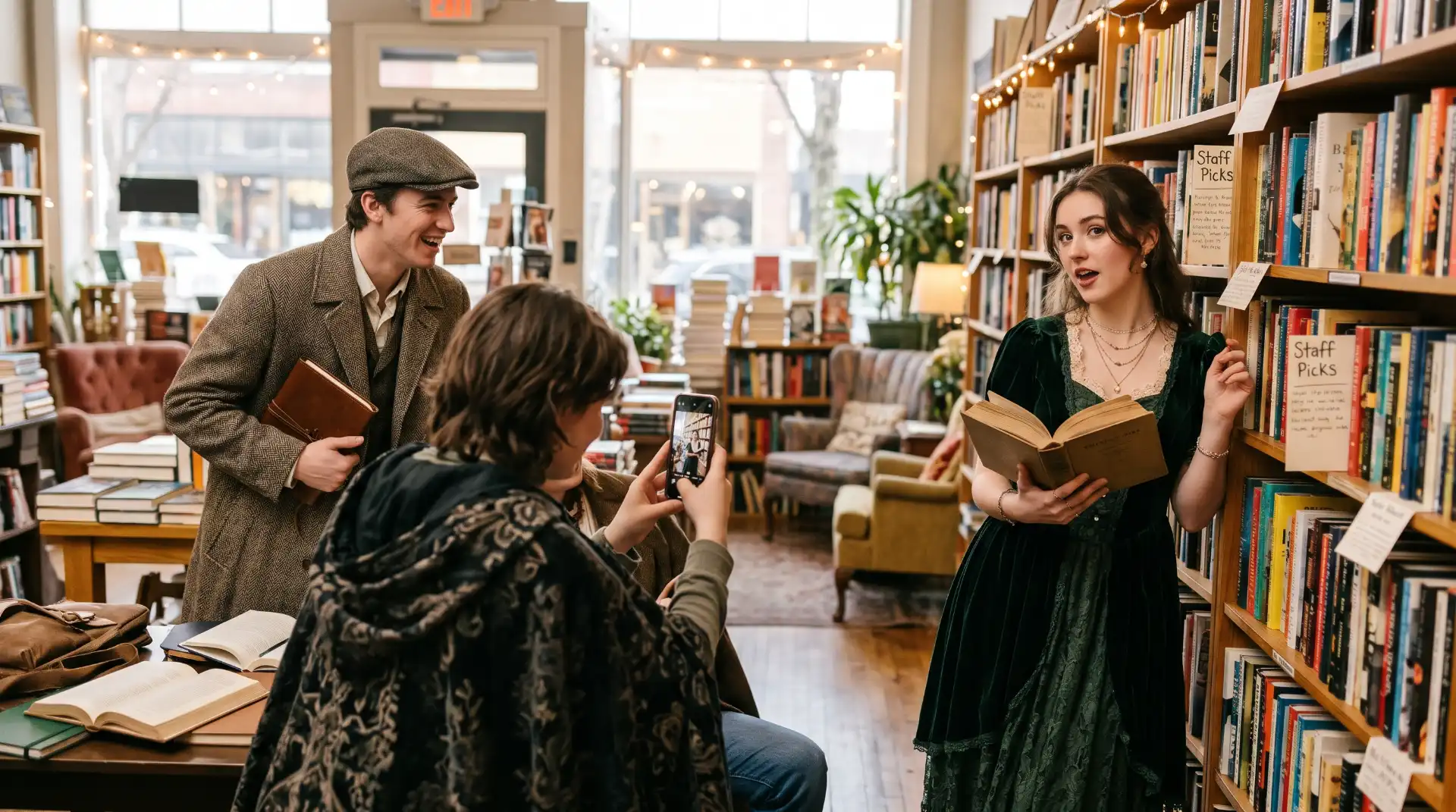
A book club can organize a themed meeting in which participants dress as characters from the selected novel.
The costumes do not need to be elaborate. Members can choose clothing that reflects a character’s personality, occupation, or place in the fictional setting.
The meeting might include discussions about character development, motivations, relationships, and important plot decisions.
Participants can explain why they selected their particular characters and how they interpreted the descriptions in the book.
This creates a different type of conversation because members must think about how written details translate into visual representation.
Fantasy-Themed Gatherings and Literary Balls
Fantasy-themed events offer opportunities for more elaborate literary cosplay.
A gathering might feature decorative lighting, themed refreshments, music, character-inspired clothing, and a setting designed to resemble a fictional palace or magical gathering.
Participants can arrive in formal fantasy-inspired outfits, exchange recommendations, and take photographs.
Some organizers also include author discussions, themed games, costume competitions, and creative workshops.
These events are especially appealing to readers who enjoy fantasy romance and fictional worlds with distinctive social traditions.
Mystery Nights and Interactive Literary Experiences
Mystery book clubs can organize themed gatherings in which attendees portray fictional suspects, detectives, or witnesses.
The organizer might prepare a fictional case and provide each participant with a character description.
Guests can exchange clues, ask questions, and work together to identify the person responsible for the fictional crime.
The activity combines reading, performance, and problem-solving.
It can also introduce people to mystery literature who might not normally participate in conventional book discussions.
Building Stronger Connections Between Readers
One of the most appealing aspects of literary cosplay is the opportunity to create connections through shared interests.
At a conventional social gathering, people may struggle to find common conversation topics. At a literary event, participants already share an interest in books and fictional worlds.
A costume can become an easy conversation starter.
Someone might recognize a character, ask about a particular accessory, or discuss a favorite scene from the novel.
These conversations can lead to friendships and future reading recommendations.
The social value of literary cosplay is therefore not limited to the costumes themselves. It comes from creating opportunities for readers to interact in a welcoming environment.
6. Literary Cosplay at American Book Conventions and Literary Festivals
The United States has an extensive convention and book-event culture, creating opportunities for readers to participate in literary cosplay throughout the year.
Some events focus primarily on authors and publishing, while others include fantasy entertainment, independent publishers, vendors, creative workshops, and costume competitions.
BookCon and the Modern Book Event Experience
BookCon is an example of an event that brings storytelling and popular culture together.
Its official BookCon event information describes a gathering where readers can meet authors, explore book-related exhibitors, and connect with other literary enthusiasts.
Events like this create opportunities for readers to express their interests through clothing, accessories, book collections, and themed activities.
Although not every book convention organizes formal cosplay competitions, attendees can still encounter creative expressions of literary fandom.
Readers interested in attending should review the official event schedule and policies before planning costumes or purchasing tickets.
San Diego Comic-Con and Cross-Fandom Cosplay
Although San Diego Comic-Con is primarily associated with comics, entertainment, and popular culture, its cosplay environment demonstrates how costume communities bring fictional characters to life.
Literary characters can fit naturally into these broader fandom spaces, particularly when their stories have connections to graphic novels, fantasy franchises, or screen adaptations.
Participants interested in attending should understand that convention costume rules can be specific.
For example, the official Comic-Con convention policies require costume props to undergo inspection and prohibit functional or sharp-edged weapons. Oversized costumes may also face restrictions in crowded areas.
These rules are important for literary cosplayers who plan to carry fictional swords, staffs, bows, or other accessories.
A handmade prop should always be designed with event safety requirements in mind.
Independent Book Festivals and Local Literary Gatherings
Readers do not need to attend a major national convention to experience literary cosplay.
Independent book festivals, bookstore celebrations, library programs, and local author events can provide smaller and more accessible opportunities.
Some events organize costume contests, character parades, themed photography areas, or book-inspired social activities.
Smaller gatherings may also be less intimidating for beginners who are attending their first cosplay event.
Readers can find opportunities through local bookstores, public libraries, community calendars, and literary organizations.
Finding Events Near You
People interested in literary cosplay should search for events using several related terms.
Useful searches include book character cosplay, literary costume contest, fantasy book convention, romantasy ball, BookTok event, and themed book club.
Checking official event pages is important because schedules, costume requirements, age restrictions, ticket prices, and venue policies can change.
It is also worth looking at local independent bookstores because some organize smaller gatherings that receive less attention than large conventions.
7. How to Create Your First Literary Cosplay Costume
One reason literary cosplay continues to attract new participants is that it does not require professional costume-making skills.
Beginners can start with simple outfits and gradually develop more elaborate creations as they become comfortable with the process.
The best approach is to choose a character, identify recognizable details, and build the costume around those elements.
Choose a Character You Genuinely Enjoy
The first step is selecting a character from a book that has personal meaning.
Choosing someone simply because their costume is popular online can make the process feel like an obligation.
Instead, consider characters whose personalities, stories, or appearances you genuinely appreciate.
Think about what makes the character recognizable. Is it a particular hairstyle, clothing style, accessory, color combination, or symbolic object?
A character’s defining characteristics can provide a useful starting point.
Research the Character’s Appearance
Before purchasing materials, reread the relevant descriptions in the book.
Look for details about clothing, jewelry, footwear, hairstyles, and other physical features.
If the character has appeared in an illustrated edition or an authorized adaptation, those references may also provide visual inspiration.
However, readers should remember that adaptations sometimes change the appearance of characters.
Someone who wants to create a costume based on the original novel may prefer to prioritize the written description rather than a television or movie interpretation.
It can be helpful to create a small reference collection containing notes, color ideas, and sketches.
Identify the Most Recognizable Details
A successful beginner costume does not need to reproduce every detail.
In many cases, a few distinctive elements are enough to communicate the character.
A detective might be recognizable through a long coat and notebook. A fantasy traveler might be represented by a cloak, boots, and decorative pendant.
A historical heroine could be portrayed through a period-inspired dress and accessories.
Focusing on recognizable details helps reduce unnecessary spending and simplifies the construction process.
Start With Clothing You Already Own
One of the easiest ways to reduce cosplay expenses is to begin with your existing wardrobe.
Look for clothing that matches the character’s general appearance.
A plain dark jacket might work as the foundation for a mystery-inspired costume. A long skirt, simple blouse, or neutral-colored coat could be adapted for historical or fantasy interpretations.
Thrift stores are another useful resource for inexpensive clothing and accessories.
Readers can modify existing garments with fabric additions, decorative buttons, ribbons, belts, or other details.
This approach makes literary cosplay more accessible and encourages creative reuse.
Choose Materials According to Your Experience
Beginners should avoid selecting complicated construction techniques before understanding their difficulty.
Simple costumes can often be assembled with ordinary clothing and inexpensive accessories.
More advanced projects may involve sewing patterns, specialized fabrics, wigs, armor-style accessories, or detailed prop construction.
If you are new to costume-making, begin with a manageable project.
Learning basic sewing, fabric decoration, and accessory assembly can make future costumes easier to create.
The goal is to enjoy the process rather than become overwhelmed by unnecessary technical challenges.
Test the Complete Outfit Before an Event
Once the main pieces are ready, try wearing the entire costume.
Walk around, sit down, and check whether the clothing allows comfortable movement.
Make sure shoes are appropriate for the amount of walking expected at the event.
Check that accessories are secure and that no materials create unnecessary safety risks.
If the costume includes a cape, long skirt, large headpiece, or decorative prop, consider how it will function in crowded spaces.
A comfortable costume is generally more enjoyable than one that looks impressive but becomes difficult to wear after an hour.
8. How Much Does Literary Cosplay Cost?
The cost of literary cosplay varies considerably depending on the character, materials, construction methods, and level of detail.
Some readers create recognizable costumes for less than $50, while elaborate handmade outfits can cost several hundred dollars or more.
There is no requirement to spend a large amount of money to participate.
Budget-Friendly Literary Cosplay
Readers working with limited budgets can create costumes using existing clothing, thrift-store purchases, and inexpensive accessories.
For example, a mystery-inspired outfit might require only a coat, hat, notebook, and magnifying glass. A fantasy-inspired character could be represented through a simple cloak, decorative belt, and handmade pendant.
Repurposing clothing is often more affordable than purchasing a complete costume.
It also allows participants to customize their appearance instead of relying on generic outfits.
Mid-Range Costumes
Readers who want more detailed costumes may invest in better fabrics, accessories, wigs, and basic sewing materials.
A historical-inspired outfit might require a suitable dress, decorative jewelry, gloves, and a few additional details.
Fantasy costumes may involve several clothing layers, custom accessories, and handmade decorative elements.
The advantage of this spending level is that many items can be reused for future events.
A cloak, corset-style accessory, formal jacket, or pair of boots may work for multiple literary characters.
Elaborate Handmade Costumes
Advanced cosplayers may spend considerable time and money creating highly detailed costumes.
These projects can involve specialized sewing patterns, embroidery, custom tailoring, advanced makeup, carefully constructed accessories, and detailed props.
Some creators also invest in photography, lighting, and transportation for convention appearances.
However, expensive materials do not automatically guarantee a better costume.
Creativity, attention to detail, and a thoughtful interpretation of the character often matter more than the total amount spent.
Planning a Realistic Budget
Before beginning a costume, decide how much you are comfortable spending.
Separate essential purchases from optional upgrades.
For example, a basic character outfit might require clothing and one distinctive accessory. Additional jewelry, specialized makeup, or elaborate props can be considered later.
Remember to include transportation, event admission, food, and other expenses if you plan to attend a convention.
Setting a realistic budget helps keep literary cosplay enjoyable rather than financially stressful.
9. The Role of Independent Authors and Publishers in Literary Cosplay
Literary cosplay is not only an activity for readers. It also creates opportunities for authors and publishers to develop stronger relationships with their audiences.
When readers become emotionally invested in fictional characters, they may want additional ways to interact with the stories.
Costume contests, themed gatherings, author appearances, and character-inspired activities can provide those opportunities.
Authors Can Build Stronger Reader Communities
Authors can encourage literary cosplay by sharing character descriptions, fictional clothing details, artwork, and behind-the-scenes information about their creative process.
For example, an author writing fantasy fiction might explain the cultural significance of a particular garment or accessory in the fictional world.
Readers can use these details when developing their costumes.
An author might also host a virtual costume showcase or invite fans to participate in a themed event during a book release.
These activities help readers feel involved in the fictional universe without changing the original story.
Publishers Can Organize Creative Campaigns
Publishers can also use literary cosplay as part of their promotional activities.
A book launch might include character-inspired photography, costume demonstrations, themed decorations, or creative competitions.
Some campaigns may encourage readers to share their own interpretations of characters through social media.
The most successful campaigns are likely to be those that invite participation rather than simply asking audiences to purchase a book.
For example, a publisher could organize a costume challenge in which readers interpret characters using clothing they already own.
This encourages creativity and makes participation more accessible.
Independent Authors Have Opportunities to Reach Niche Audiences
Independent authors often rely on direct relationships with readers to develop awareness of their publications.
Literary cosplay can help introduce a book to people who enjoy visual storytelling and character-based fandoms.
A distinctive fictional world may provide inspiration for costume ideas, themed discussions, and fan-created content.
However, authors should avoid assuming that every book needs a cosplay campaign.
The activity is most suitable when characters and settings naturally inspire visual interpretation.
A literary mystery might work better with a detective-themed event, while a contemporary novel may inspire a more subtle character-fashion activity.
The important factor is choosing promotional activities that reflect the actual story.
10. Literary Cosplay and the Importance of Representation
One of the most interesting aspects of literary cosplay is the opportunity for readers to interpret fictional characters in ways that reflect their own experiences.
Literature introduces audiences to characters from different backgrounds, cultures, professions, historical periods, and imaginary societies.
Cosplay allows readers to explore those identities visually, but it also requires thoughtfulness and respect.
Celebrating Diverse Literary Characters
Readers should have opportunities to celebrate characters from a wide range of literary traditions.
This includes characters from contemporary American fiction, international literature, historical novels, young adult fiction, science fiction, fantasy, and other genres.
Cosplay can also help introduce audiences to books they might not otherwise discover.
Someone attending a convention may encounter a character from a novel they have never read and become interested in learning more about the story.
In this way, literary cosplay can support broader literary discovery.
Respecting Cultural and Historical Context
Some fictional characters wear clothing connected to real-world cultural traditions.
When recreating these appearances, readers should take time to understand the cultural context.
Researching traditional garments, historical details, and the significance of particular symbols can help avoid inaccurate or disrespectful representations.
A costume should celebrate the character without turning cultural identity into a stereotype.
This is especially important when a fictional story draws inspiration from communities and traditions outside the cosplayer’s own experience.
Cosplay Should Be Welcoming to Different Body Types
Another important consideration is accessibility and inclusion.
Readers should not feel that they must have a particular body type, age, hairstyle, or appearance to portray a fictional character.
Cosplay is an interpretive activity.
A character can be represented through clothing, colors, accessories, posture, and personality rather than physical resemblance.
Different interpretations can make literary cosplay more creative and representative of the diversity within reading communities.
The purpose is to celebrate fictional characters, not establish unrealistic appearance requirements.
Respecting Other Participants
Cosplay communities work best when participants treat one another respectfully.
People should ask permission before touching costumes, adjusting accessories, or taking close-up photographs.
Compliments should focus on the work and creativity involved rather than making assumptions about someone’s body or personal identity.
At organized events, attendees should follow photography rules, venue instructions, and the event’s code of conduct.
These basic considerations help create an environment where beginners and experienced cosplayers can enjoy participating together.
11. Literary Cosplay Photography: Turning Fiction Into Visual Storytelling
Photography is an important part of modern literary cosplay because it allows participants to preserve and share their interpretations of fictional characters.
A costume photograph can communicate more than clothing details. Through lighting, location, composition, and props, creators can recreate the atmosphere of an entire fictional world.
Choosing a Location That Matches the Story
The background can make a significant difference in literary cosplay photography.
A historical character might look more convincing in a building with traditional architecture, while a fantasy-inspired costume could work well in a garden, wooded area, or stone courtyard.
Mystery characters might be photographed in an old library, quiet street, or vintage-style interior.
Readers do not necessarily need expensive photography locations.
A carefully arranged room, decorative bookshelf, neutral background, or outdoor setting can provide useful visual context.
Always obtain permission before photographing in private properties or restricted locations.
Using Lighting to Create Atmosphere
Lighting can help communicate the mood of a fictional character.
Soft natural light works well for gentle contemporary or romantic interpretations.
Dramatic shadows may suit gothic characters and mystery-inspired scenes.
Bright outdoor lighting can help showcase detailed costumes and colorful fantasy accessories.
Experimenting with lighting is often more useful than purchasing expensive photography equipment immediately.
Props and Small Details
Props can help establish character identity.
A fictional detective might carry a notebook, magnifying glass, or vintage-style briefcase. A fantasy scholar might use a decorative book, symbolic pendant, or handmade scroll.
The props should support the costume rather than overwhelm it.
When attending public conventions, participants must also consider safety rules. Props should be nonfunctional where required, appropriately sized, and approved by event organizers.
Sharing Cosplay Photography Online
Creators can share photographs through Instagram, TikTok, Pinterest, and other social platforms.
Including the book title, author, character name, and relevant fandom hashtags helps other readers discover the content.
It is also useful to explain whether the costume is based on the original novel, an illustrated edition, or a screen adaptation.
This provides context and encourages conversations about different interpretations.
Readers should also respect photographers’ permissions and credit creators when sharing their work.
12. How to Organize a Literary Cosplay Event
Organizing a literary cosplay gathering does not require a major convention venue or professional event staff.
A small bookstore, library meeting room, community center, or private gathering space may be sufficient for a successful event.
The most important elements are a clear theme, a welcoming environment, and activities that encourage participation.
Select a Theme That Gives Guests Creative Freedom
A good theme should be specific enough to create an interesting atmosphere but broad enough to welcome different interpretations.
For example, an event might focus on fantasy characters, classic literature, gothic fiction, mystery novels, or favorite fictional heroes.
A general literary cosplay evening can also allow guests to represent characters from any book they enjoy.
The organizer should explain whether costumes are optional, encouraged, or required.
For a first event, making costumes optional may help attract readers who are interested in attending but do not have time to prepare an outfit.
Plan Activities Beyond Costume Competitions
A costume contest can be entertaining, but not everyone wants to compete.
Other activities might include literary trivia, character guessing games, themed discussions, book exchanges, author readings, and photography opportunities.
A group could also organize a discussion in which participants explain the characters they chose and why those characters are meaningful to them.
These activities help ensure that people can enjoy the gathering even if they are not experienced cosplayers.
Consider Venue Accessibility and Safety
When choosing a venue, consider space, seating, accessibility, lighting, restrooms, and transportation.
Large costumes may require additional room, particularly if participants plan to move around or take group photographs.
If props are allowed, organizers should establish clear restrictions before the event.
For public gatherings, venue policies and local regulations should always be followed.
Promote the Event Through Local Reading Communities
Independent bookstores, public libraries, local book clubs, and social media communities can help spread the word.
Promotional information should include the date, location, theme, admission requirements, costume expectations, and any age restrictions.
Organizers can also share simple costume inspiration to help beginners feel comfortable attending.
A welcoming event does not need to attract hundreds of people. A smaller gathering with enthusiastic participants can create a memorable experience.
13. Literary Cosplay, Copyright, and Responsible Fan Creativity
As literary cosplay becomes more visible, it is useful for readers to understand the difference between personal fan expression and commercial use of copyrighted material.
Many literary characters and fictional worlds are protected by copyright or other intellectual property rights.
Creating a costume for personal enjoyment is different from producing and selling merchandise featuring protected characters.
Personal Cosplay and Commercial Merchandise Are Not the Same
A reader might create a handmade costume inspired by a fictional character and wear it at a convention.
That does not automatically give the reader permission to reproduce and sell official character merchandise.
Commercial activities involving copyrighted artwork, logos, illustrations, or character designs can raise separate legal questions.
The details depend on the material used, the nature of the activity, applicable law, and any permissions or licenses involved.
People interested in selling character-inspired products should investigate the relevant intellectual property requirements before doing so.
Using Original Interpretations
One way to approach literary cosplay responsibly is to create an original interpretation instead of copying protected artwork or merchandise.
Readers can use the general descriptions in a novel to develop their own clothing designs, accessories, and creative concepts.
However, changing a few visual details does not automatically eliminate copyright concerns.
Anyone planning a commercial project should obtain appropriate legal advice or licensing where necessary.
Respecting Authors and Artists
Literary cosplay should recognize the creative work behind the characters being celebrated.
When posting costumes online, identify the book and author where possible.
If the costume is inspired by an official illustration, credit the artist when appropriate.
Avoid presenting fan-created artwork or costume designs as official promotional material.
Supporting authors and artists helps maintain the creative relationship between readers and the people who produce the stories they enjoy.
14. The Challenges of Literary Cosplay and How Beginners Can Overcome Them
Although literary cosplay can be enjoyable, beginners may encounter several challenges when getting started.
The most common concerns involve cost, time, confidence, costume accuracy, and finding other people who share similar interests.
Understanding these challenges can make the experience more approachable.
Feeling Intimidated by Experienced Cosplayers
People attending their first cosplay event sometimes compare their costumes with those created by experienced participants.
Professional-looking outfits, elaborate makeup, and detailed handmade accessories can make beginners feel that their own efforts are inadequate.
However, cosplay communities include people with different experience levels.
Some participants spend months creating costumes, while others assemble simple outfits using ordinary clothing.
Both approaches are valid.
A beginner should focus on learning and enjoying the creative process rather than attempting to compete with someone who has years of experience.
Finding Time to Create a Costume
Costume preparation can require considerable time, especially when sewing, embroidery, or custom accessories are involved.
Readers with work, school, and family responsibilities may find it difficult to complete complicated projects.
The solution is to divide the work into smaller tasks.
Choose the character first, then identify the main clothing pieces and accessories. Purchase or prepare essential materials before working on decorative details.
A simple costume can be completed over a weekend, while more elaborate projects may require several weeks.
For readers balancing multiple responsibilities, planning ahead can make participation easier.
Dealing With Costume Imperfections
Not every costume will match the original character exactly.
Materials may be unavailable, sewing techniques may be unfamiliar, and certain details may be difficult to reproduce.
Instead of treating these differences as failures, consider them part of the creative process.
Literary cosplay is an interpretation of a written character, and different readers may imagine the same person differently.
A thoughtful costume that captures the personality or atmosphere of a character can be successful even without perfect accuracy.
Finding a Welcoming Community
Some readers may live in areas without large cosplay conventions or active literary fandom groups.
Fortunately, smaller communities can often be found through independent bookstores, library programs, local social media groups, and online book clubs.
Readers can also start their own gatherings.
A small group of people who enjoy the same book series may be enough to organize a themed meeting or costume afternoon.
The most important consideration is finding an environment where participants feel comfortable sharing their interests.
15. The Future of Literary Cosplay: What Could Come Next?
Literary cosplay is part of a wider transformation in how people interact with books and entertainment.
Readers are increasingly finding ways to combine literature with fashion, social gatherings, creative hobbies, and online communities.
Several developments could influence how this activity evolves over the next few years.
More Book-Themed Conventions and Immersive Events
As specialized literary gatherings become more common, organizers may introduce additional opportunities for costume participation.
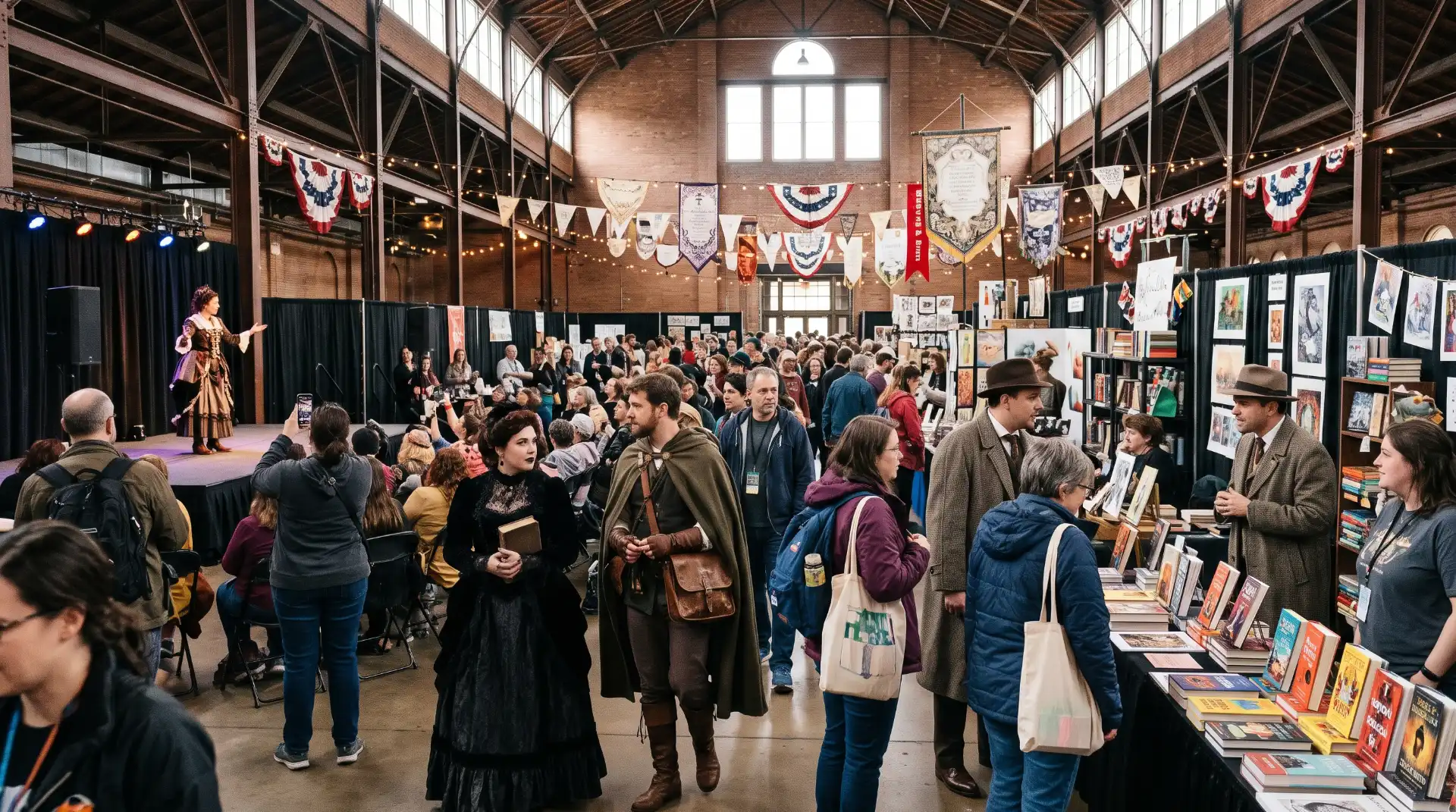
Fantasy conventions, romantasy celebrations, independent book festivals, and themed release parties could incorporate more creative activities.
Some events may develop elaborate fictional environments where visitors can interact with performers, participate in themed games, or explore settings inspired by particular stories.
These experiences can make attending a book event feel different from visiting a conventional author signing.
Readers may increasingly choose events based on the opportunities they offer for participation rather than simply the number of authors attending.
More Collaboration Between Authors and Cosplayers
Authors may find new opportunities to work with creative fans.
A fantasy author could provide character descriptions for a costume showcase, while an independent novelist might collaborate with local cosplayers during a book launch.
Publishers could also invite readers to participate in creative campaigns that celebrate fictional worlds.
These activities can help create stronger relationships between authors and their audiences.
They may also introduce readers to books they would not otherwise discover.
The Growth of Character-Inspired Everyday Fashion
Not everyone wants to wear a complete costume.
Some readers may prefer incorporating subtle elements of fictional characters into ordinary clothing.
This could include colors associated with a particular fictional world, accessories inspired by a character, or outfits based on the atmosphere of a novel.
The result is a more flexible form of literary expression.
Someone might wear a fantasy-inspired outfit to a book club meeting without considering it full cosplay.
This approach could make literary fashion appealing to people who are interested in books but uncomfortable with elaborate costumes.
Digital Tools and Costume Design
Technology may also make literary cosplay easier to plan.
Digital design applications can help readers experiment with colors, clothing combinations, and accessory layouts.
Online tutorials can introduce beginners to sewing, prop construction, makeup, and costume photography.
Artificial intelligence tools may also be used as brainstorming aids for original costume concepts, although readers should check generated suggestions against the actual book descriptions and respect artists’ and authors’ intellectual property rights.
These tools can support creativity, but the personal interpretation remains central to the activity.
Smaller Communities and Local Literary Events
Another possible direction is the continued growth of smaller gatherings.
Not every reader wants to attend a large convention with thousands of visitors.
Some may prefer intimate bookstore events, themed dinners, library gatherings, and neighborhood cosplay meetups.
These events can provide a more relaxed environment for conversation and creative participation.
They may also help independent bookstores and local literary organizations attract audiences who are looking for social experiences connected to their favorite books.
The future of literary cosplay may therefore involve both large conventions and smaller community-based activities.
16. How Readers Can Participate Without Becoming Full-Time Cosplayers
One misconception about literary cosplay is that participation requires elaborate costumes, professional makeup, and regular convention attendance.
In reality, readers can engage with the trend in several simple ways.
Someone who enjoys a particular novel might start by creating an outfit inspired by a character’s everyday clothing.
Another person might attend a book club meeting wearing a small accessory connected to the selected story.
Readers interested in creative activities can experiment with handmade bookmarks, decorative jewelry, or simple character-inspired clothing.
Photography enthusiasts may enjoy creating portraits based on fictional settings, while people who prefer social activities can attend literary gatherings without dressing up.
The important thing is that literary cosplay should remain optional and enjoyable.
Readers do not need to transform every book into a costume project. They can continue enjoying conventional reading while occasionally exploring creative ways to celebrate their favorite stories.
For those who want to make these activities part of their home reading routine, Bookzee’s article on How to Create the Perfect Reading Nook offers ideas for creating a comfortable personal space. A reading corner can also become a convenient place to organize costume references, character notes, and literary accessories.
The same space can support reading, journaling, photography planning, and other creative interests.
17. Why Literary Cosplay Matters Beyond Fashion and Entertainment
The growing interest in literary cosplay reveals a larger change in the relationship between readers and stories.
Books have always encouraged imagination, but modern readers have more opportunities to express that imagination publicly.
Through costumes, creative photography, themed gatherings, and online communities, readers can transform fictional experiences into real-world activities.
This matters because literature has traditionally been viewed as an individual activity.
A person reads a novel privately, develops an emotional connection with the characters, and eventually moves on to another story.
Literary cosplay creates additional ways to maintain that connection.
A character can inspire a creative project. A fictional setting can become the theme of a social gathering. A favorite series can introduce readers to people who eventually become friends.
The activity also demonstrates that reading culture is not limited to conventional literary discussions.
People can appreciate books through writing, collecting, illustration, costume design, historical research, photography, and performance.
These different forms of participation can complement one another.
Literary cosplay may also encourage people to explore genres they have previously overlooked. Someone interested in historical clothing might discover historical fiction through costume research. A person who enjoys designing fantasy accessories might become interested in reading the novels that inspired those creations.
This relationship between creative hobbies and book discovery creates opportunities for readers to expand their interests.
There are also important reasons to keep the activity inclusive. Not everyone has the time, money, or physical ability to create elaborate costumes. Participation should never depend on appearance, technical skill, or financial resources.
A simple outfit, handmade accessory, or character-inspired color combination can be just as meaningful as a complicated costume.
Ultimately, the most valuable aspect of literary cosplay is the connection it creates between imagination and personal expression.
Readers are not simply copying fictional characters. They are interpreting stories, celebrating creativity, and finding new ways to connect with literature.
Conclusion: The Next Chapter of Book Culture Is More Interactive
Literary cosplay is helping transform how readers celebrate their favorite fictional characters.
What once might have been limited to private imagination is increasingly becoming a shared creative experience. Readers are designing costumes, attending themed events, organizing book club gatherings, sharing photographs, and connecting with other fans through common literary interests.
The growth of BookTok and visual reading communities has helped introduce more people to these activities, while the expansion of specialized book events provides opportunities to participate outside social media.
Fantasy and romantasy have created particularly strong opportunities for imaginative costumes, but literary cosplay is not limited to one genre. Historical fiction, gothic literature, mystery, science fiction, and contemporary romance all offer possibilities for creative interpretation.
For beginners, participation can be surprisingly simple. A recognizable accessory, a carefully selected outfit, or a small themed gathering may be enough to get started.
For experienced cosplayers, literature provides an almost endless source of inspiration through its characters, settings, and imaginative worlds.
As book culture continues evolving, literary cosplay demonstrates that stories can inspire more than reading lists and online discussions. They can encourage creativity, bring communities together, and create experiences that remain meaningful long after the final page.
The next time a reader finishes a favorite novel, the story might not be over. It might simply be the beginning of a new creative adventure.
Frequently Asked Questions About Literary Cosplay
1. What is literary cosplay?
Literary cosplay is the practice of dressing up as fictional characters from books or creating outfits inspired by their clothing, personalities, and fictional worlds. It combines reading interests with costume design, creative fashion, and fan culture.
2. Is literary cosplay becoming popular in the United States?
Yes. Literary cosplay is gaining visibility through book-themed events, fantasy gatherings, social media communities, and conventions. Eventbrite’s 2026 reporting highlights significant growth in U.S. book clubs and romantasy-themed experiences, reflecting increased interest in immersive literary activities.
3. What books are best for literary cosplay?
Fantasy, romantasy, historical fiction, gothic literature, mystery, and science fiction are particularly suitable because they often contain distinctive characters and settings. However, almost any fictional character can inspire a costume.
4. Do I need an expensive costume to participate?
No. Beginners can create literary cosplay outfits using existing clothing, inexpensive accessories, and thrift-store purchases. A few recognizable details are often enough to communicate a character’s identity.
5. What is the difference between literary cosplay and book-inspired fashion?
Literary cosplay usually involves portraying a specific fictional character through clothing, accessories, and sometimes performance. Book-inspired fashion takes a more subtle approach by incorporating colors, styles, or visual elements associated with a book or character into everyday clothing.
6. Can I participate in literary cosplay without attending a convention?
Absolutely. Readers can organize costume-themed book club meetings, create character-inspired photographs, participate in online challenges, or attend smaller literary gatherings. Convention attendance is not necessary.
7. How can I find literary cosplay events near me?
Search local bookstore websites, library calendars, convention listings, and community event platforms. Useful search terms include literary cosplay, book character costume contest, fantasy book convention, and themed book club.
8. Is literary cosplay suitable for children and families?
Yes. Family-friendly literary cosplay can encourage children to engage with stories creatively. Parents can organize simple costume activities inspired by children’s books, fairy tales, and age-appropriate fantasy adventures. Event age requirements should always be checked before attending.
9. Can authors encourage readers to create literary cosplay?
Yes. Authors can share character descriptions, organize costume showcases, host themed book events, and encourage readers to create original interpretations of fictional characters. These activities can help develop stronger relationships between writers and their audiences.
10. Does literary cosplay have a future in book culture?
Literary cosplay has opportunities to grow alongside BookTok, specialized book events, creative communities, and immersive entertainment. Its appeal comes from allowing readers to express their love of stories through activities that combine imagination, fashion, creativity, and social interaction.