
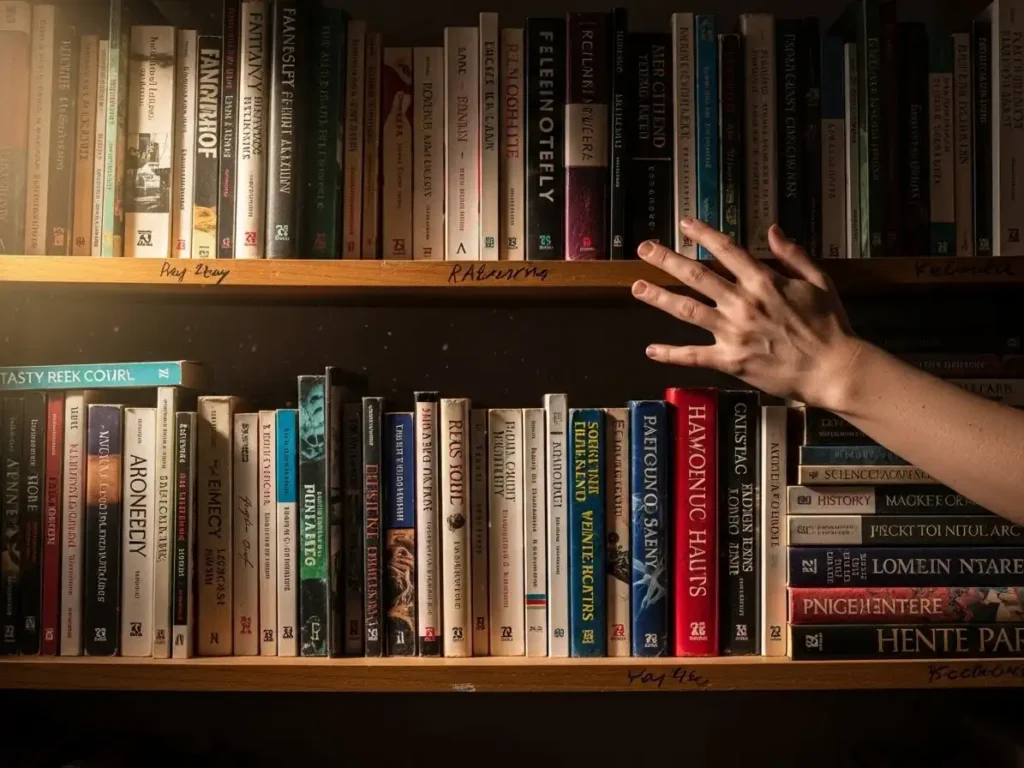
As 2026 unfolds, a wave of exciting new trends in the book world is making waves. Readers are moving away from superficial browsing and instead, opting for immersive, intentional reading experiences. From a rise in physical book popularity to an emphasis on emotional connection and community engagement, these trends are reshaping what, how, and why we read.
1. Readers Are Choosing Depth Over Distraction
 For years, our reading habits have been shaped by the fast-paced, often fragmented nature of digital content. Short articles, social media posts, and quick videos dominate our screens. But in 2026, readers are seeking something different: depth over distraction.
Instead of turning to light, easily consumable reads, book lovers are choosing longer, more complex works that demand their full attention. Whether it’s an epic fantasy novel, a well-researched historical account, or a multi-layered mystery, readers are leaning toward books that offer an immersive, thoughtful experience. This trend toward slow reading reflects a desire to engage more meaningfully with literature, rather than rushing through it. This shift toward deep, intentional reading suggests that readers want to challenge themselves with books that require focus and emotional engagement.
2. Comfort and Escapism Are Still Key
Comfort and escapism have always been integral parts of reading, but in 2026, these elements are gaining even more prominence. Many readers, particularly in the aftermath of the pandemic and ongoing global uncertainties, are gravitating toward books that offer reassurance, hope, and a sense of peace.
Genres like cozy fiction, romance, and hopeful speculative fiction are flourishing, as people seek books that provide emotional comfort. In particular, romantasy — a blend of romance and fantasy — is capturing the imaginations of readers looking for both escapism and emotional connection. These genres allow readers to enter magical worlds while also experiencing comforting, heartwarming narratives.
This shift is also reflected in the growing popularity of feel-good fiction, where readers can expect positive resolutions and uplifting messages. Even in the realm of speculative fiction, books are focusing more on building hopeful worlds rather than dystopian ones.
3. Social Reading and Community Engagement Still Matter
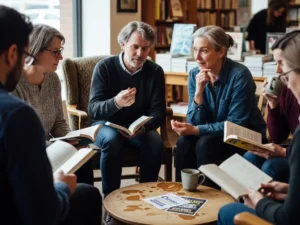 While reading is often considered a solitary activity, community reading is on the rise. In 2026, readers are increasingly seeking connection, both with other book lovers and the stories they read. Whether it’s through online book clubs, in-person meetups, or social reading apps, bibliophiles are sharing their thoughts, recommendations, and experiences.
Virtual book clubs are thriving, with people connecting on platforms like Goodreads or Zoom to discuss their latest reads. Local libraries and independent bookstores are also seeing a resurgence in book discussion groups, where readers come together to engage in deeper conversations about books.
This shift toward community engagement has been further amplified by the rise of platforms like BookTok on TikTok, where readers can share recommendations, participate in challenges, and engage with fellow book lovers worldwide. These communities provide a sense of belonging and foster a shared love for reading that transcends geographical boundaries.
4. Physical Books Are Making a Comeback
While e-books and audiobooks continue to hold their place, physical books are enjoying a significant revival. In 2026, more and more readers are opting for printed books over their digital counterparts. Research shows that nearly half of readers in 2026 prefer printed formats over e-books, citing reasons such as tactile pleasure, visual appeal, and the sense of permanence they offer. This trend reflects the growing desire to disconnect from screens and embrace analog experiences.
One reason for this resurgence is that physical books offer a break from digital overload. Readers enjoy the sensory experience of holding a book, turning its pages, and the joy of seeing a bookshelf filled with beloved titles. There’s a nostalgic element to physical books as well, as they represent a more personal, slower, and more thoughtful reading experience.
5. Genre Diversity Reflects Broader Cultural Shifts
2026 is also seeing a broader diversification of genres. Readers no longer want to stick to just one category — they are mixing and matching genres to suit their moods, needs, and preferences. Genre-blending is now more popular than ever, with authors combining elements of romance, science fiction, mystery, fantasy, and even historical fiction.
This rise in genre diversity is reflective of broader cultural shifts. Readers are craving books that speak to their multifaceted experiences, whether that’s through intersectional characters, multi-genre narratives, or blended cultural influences. The result is a literary landscape where readers can find stories that feel fresh, innovative, and deeply connected to the diversity of real-life experiences.
6. Audiobooks Continue to Rise in Popularity
Audiobooks have steadily grown in popularity over the past decade, and 2026 is no exception. With people constantly on the move, audiobooks offer an ideal way to consume literature while commuting, exercising, or doing household chores. This multitasking reading option has made audiobooks increasingly attractive to both new readers and those who prefer consuming books in a different way.
The audiobook market is also diversifying, with more celebrity narrations, immersive soundscapes, and multiple voice actors bringing stories to life in innovative ways. Audiobooks offer a new way to experience literature, combining storytelling with performance art.
Why These Trends Matter for Book Lovers
Understanding these evolving reading trends allows book lovers to stay ahead of the curve and choose books that align with their evolving preferences. Whether you’re drawn to deeper emotional engagement, immersive stories, or books that reflect a diverse range of experiences, the 2026 book world has something to offer everyone.
For authors and publishers, these trends present a fantastic opportunity to create works that resonate with today’s reading audience. By embracing these new trends and focusing on emotional connection, immersive storytelling, and inclusivity, the literary world can continue to evolve and thrive.