
Celebrity Memoirs and the Power of the Author-Narrated Audiobook
Celebrity memoirs have always offered readers something that novels, interviews, and magazine profiles cannot quite replicate: the opportunity to hear a public figure tell a much longer version of their own story.
But increasingly, Americans are not simply reading those stories. They are listening to them.
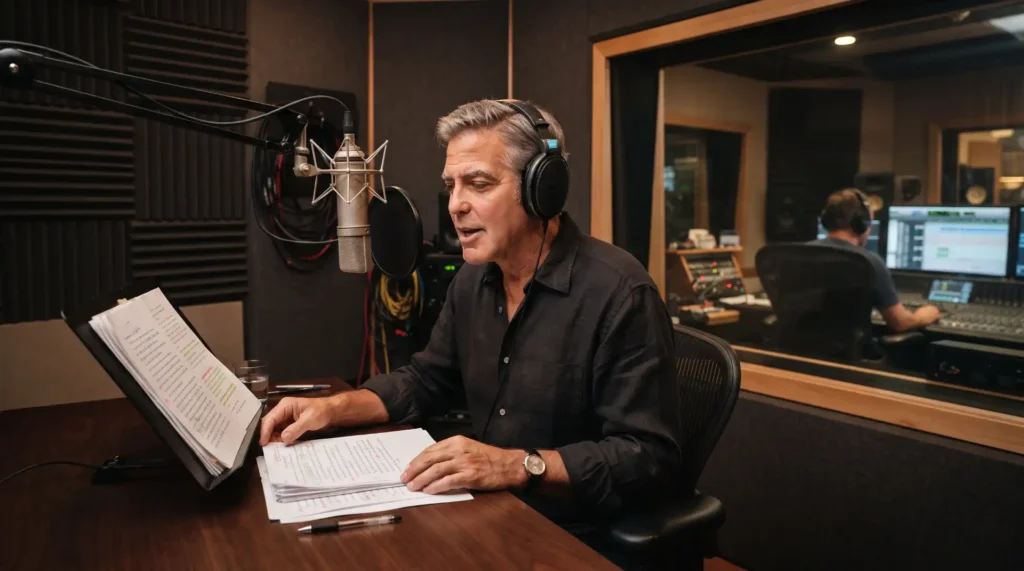
The rise of the audiobook has transformed the modern memoir, and nowhere is that transformation more noticeable than when the person who lived the story also narrates it. Actors, musicians, comedians, athletes, television personalities, entrepreneurs, and other recognizable figures are increasingly stepping behind the microphone to perform their own books.
For listeners, the result can feel less like someone reading a publication aloud and more like spending several uninterrupted hours with the person who wrote it.
A joke can carry the timing that made the author famous. A difficult memory can arrive with hesitation that does not exist on the printed page. A childhood story can come alive through an accent, imitation, or change in tone. Even an ordinary sentence can reveal something through the author’s delivery.
That combination of autobiography and performance helps explain why celebrity memoir audiobooks have become such an important part of contemporary audio publishing.
According to the Audio Publishers Association, U.S. audiobook revenue reached $2.43 billion in 2025, increasing 9 percent from the previous year. The organization also reports that 58 percent of Americans age 18 and older have listened to an audiobook.
As audio becomes a normal part of American reading culture, the author-narrated celebrity memoir occupies a particularly interesting position. It is simultaneously a book, a performance, a conversation, and, in some cases, something remarkably close to an extended personal monologue.
Why Memoirs Work So Well as Audiobooks
Not every book changes dramatically when converted into audio.
A thriller may gain suspense from a skilled narrator. Fantasy can become more immersive through character voices. A historical novel may feel more cinematic when performed professionally.
Memoir, however, has one advantage those genres generally do not have: the narrator can actually be the person who experienced the events being described.
When readers encounter a sentence such as, “I still remember the first time I walked onto that stage,” they must imagine the author’s voice.
When the author narrates the audiobook, there is nothing to imagine.
The listener hears the person’s actual rhythm, inflection, pronunciation, pauses, laughter, and emotional emphasis. These qualities can add another layer of meaning to the written text.
This is particularly powerful in celebrity memoirs because audiences may already recognize the speaker’s voice. A comedian’s timing is familiar. An actor’s delivery may immediately evoke decades of performances. A musician may speak with a cadence fans have heard in interviews and concerts.
The audiobook therefore begins with a level of familiarity that most books never possess.
It does not mean the listener truly knows the celebrity. Memoirs remain carefully created works, and an audiobook remains a produced recording. But hearing the person tell their own story can create a stronger impression of closeness than simply seeing their name on a printed cover.
The Voice Becomes Part of the Story
In a traditional print memoir, personality must be conveyed entirely through language.
In an author-narrated audiobook, personality is communicated through both language and voice.
That distinction matters.
Imagine a humorous story about an embarrassing career mistake. On the page, the reader determines where the comic beats fall. In an audiobook narrated by the celebrity, the author controls the timing.
A small pause before the punch line can make the scene funnier. An exaggerated imitation can instantly distinguish another person in the story. A laugh that slips into the recording can remind the listener that the author is reliving the memory while telling it.
The same principle works with serious material.
Memoirs frequently explore grief, family relationships, addiction, professional setbacks, discrimination, illness, divorce, financial struggles, or periods of uncertainty. When authors narrate these passages themselves, small changes in their voices may give the material an emotional dimension that is difficult to reproduce on paper.
That does not automatically make the audio edition better than the printed edition. Some people prefer the space that print provides for interpretation and reflection.
But it does make the audiobook a meaningfully different version of the same work.
For readers interested in how audio can transform storytelling more broadly, Bookzee’s guide to the rise of immersive audiobooks explores how narration, performance, and production are changing the listening experience.
Celebrity Memoirs Can Feel Like Very Long Interviews
One reason the format is so appealing is that it resembles another type of media Americans already consume constantly: the long-form interview.
Podcasts have made audiences comfortable listening to conversations that last one, two, or even three hours. Celebrity memoir audiobooks extend that concept much further.
Instead of hearing an interviewer guide the conversation, listeners often hear the celebrity control the narrative themselves.
A 10-hour memoir might cover childhood, early failures, relationships, career breakthroughs, public controversies, private insecurities, and reflections on fame.
The experience can resemble an unusually detailed interview in which the guest has already decided which questions are worth answering.
That structure creates an interesting relationship between author and listener.
There is no interviewer interrupting the story. There is no television host moving the conversation toward a commercial break. There is no social-media character limit forcing a complicated experience into a short statement.
The author can spend several minutes describing one memory if it matters to them.
That freedom is especially valuable for people whose public identities have often been shaped by headlines, short interviews, viral clips, or carefully edited television appearances.
A memoir allows them to provide context. An author-narrated memoir allows them to provide that context in their own voice.
Performance Matters More Than Many Readers Realize
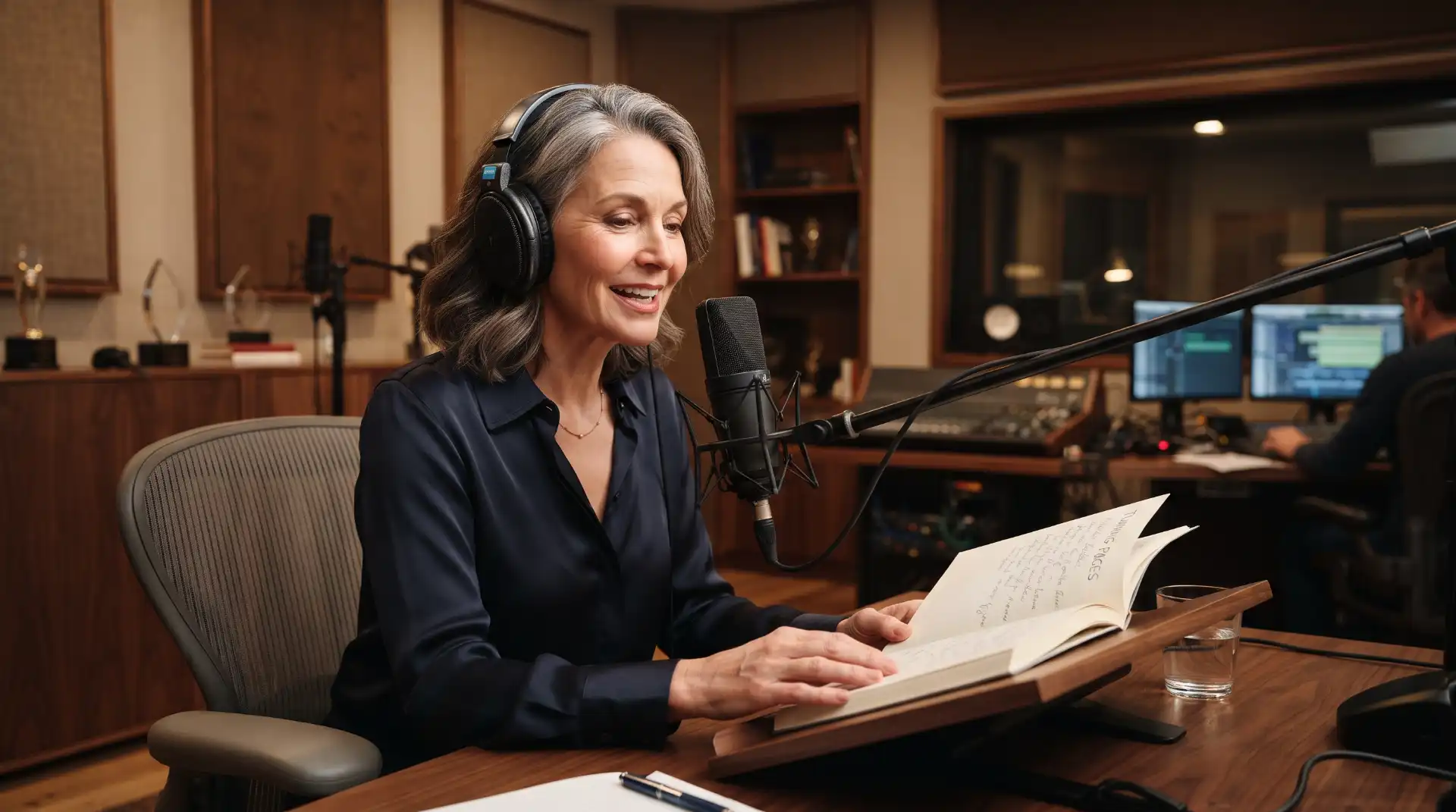
Writing a compelling memoir and narrating one successfully are not exactly the same skill.
Professional audiobook narrators spend years learning how to maintain pacing, control breathing, differentiate characters, communicate emotion, pronounce difficult names, and keep listeners engaged for many hours.
A celebrity author may not have that training.
Yet celebrity memoirs have an unusual advantage: technical perfection is not always what listeners want most.
Authenticity can matter more.
A professionally trained narrator might technically deliver a passage more smoothly, but listeners may still prefer hearing the words directly from the person who lived them.
This is especially true when the celebrity already has performance experience.
Actors understand vocal expression. Comedians understand timing. Singers understand rhythm and breathing. Broadcasters know how to communicate through a microphone. Public speakers are accustomed to sustaining attention through their voices.
These skills can transfer surprisingly well to audiobook narration.
Even celebrities without formal performance backgrounds can benefit from the intimacy of the material. They know which words matter. They understand the people being described. They remember the atmosphere surrounding the events.
When they say a name, recount an argument, or describe a career-defining moment, they are not simply interpreting somebody else’s writing.
They are revisiting their own history.
Humor Becomes Especially Powerful in Audio
Comedy memoirs provide some of the clearest examples of why author narration can work so well.
A joke is not merely a collection of words.
Timing matters.
Tone matters.
Silence matters.
The difference between a mildly amusing sentence and a genuinely funny one may be a half-second pause.
When comedians narrate their own memoirs, listeners often receive something closer to the author’s intended performance. The cadence, accents, impressions, and shifts in volume that would otherwise have to be imagined are delivered directly.
Some authors also depart slightly from the feeling of conventional narration by reacting naturally to their own memories.
That sense of spontaneity can make the audiobook feel personal even though it was recorded professionally.
It also demonstrates why the same memoir can provide two distinct experiences.
The printed edition lets the reader establish the rhythm.
The audiobook lets the author do it.
Neither approach is inherently superior. They simply emphasize different parts of the work.
Emotional Passages Can Sound Different When the Author Reads Them
The strongest celebrity memoirs are rarely collections of glamorous success stories.
Readers are often most interested in what happened before the success, behind it, or after something went wrong.
That is where author narration can become particularly powerful.
A printed sentence may tell readers that a moment was painful. A spoken sentence may allow them to hear the author’s response to that pain.
Sometimes the effect is dramatic. Sometimes it is barely noticeable.
A slower pace, a quiet exhale, or a brief hesitation can change how a listener understands a passage.
This does not mean audiobook listeners have direct access to an author’s unfiltered emotions. Audiobooks are edited productions, and writers decide what they wish to share.
Still, vocal delivery introduces information that simply does not exist in typography.
That added dimension helps explain why some people who rarely read memoirs in print become enthusiastic listeners.
They are not just looking for information about a famous person’s life.
They are listening for personality.
Audiobooks Fit the Way Americans Live
The strength of author-narrated memoirs is not only artistic. It is also practical.
Audiobooks fit into parts of the day when conventional reading may be difficult.
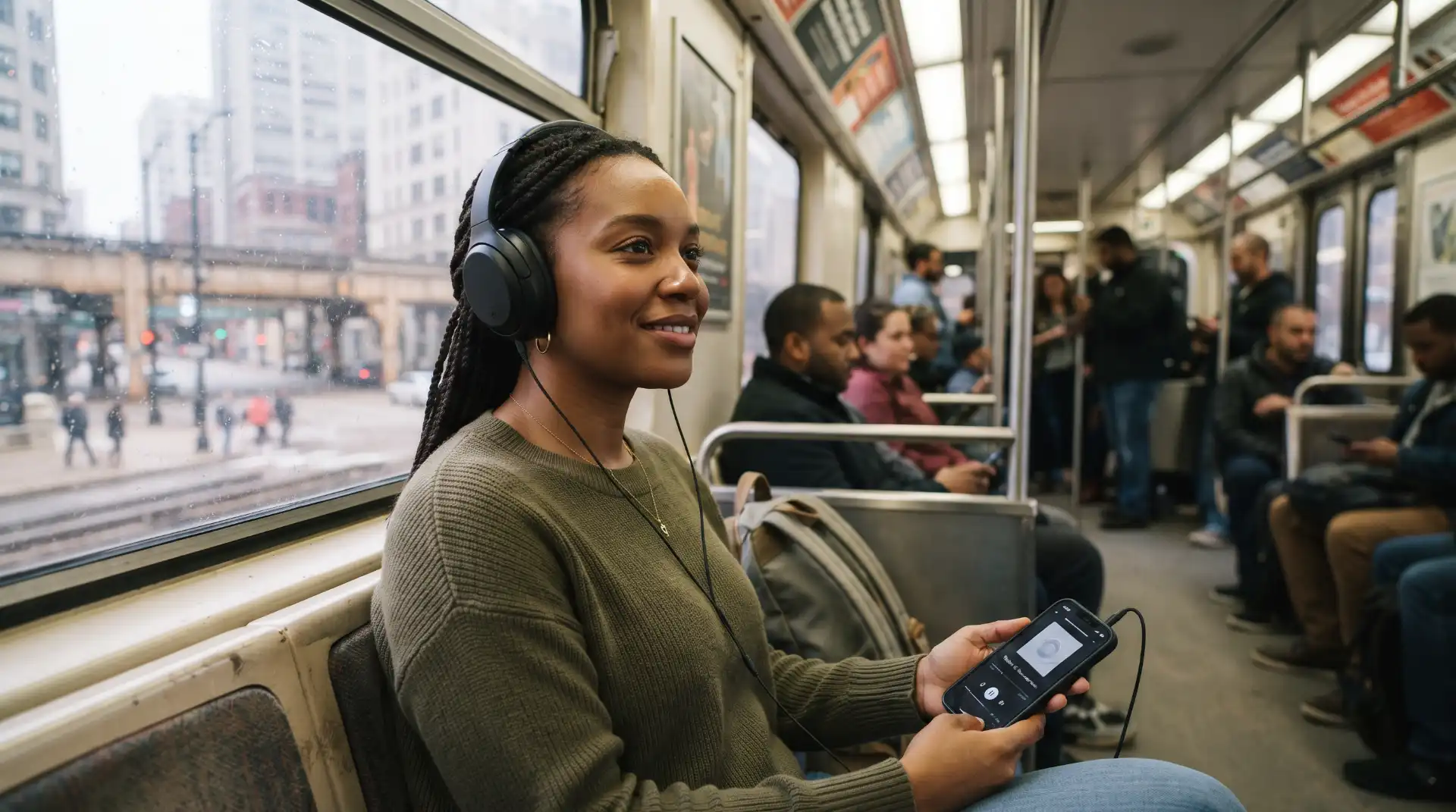
Americans listen during commutes, road trips, walks, workouts, household chores, and other activities that leave their ears free even when their hands and eyes are occupied.
The Audio Publishers Association’s 2026 consumer research found that the ability to multitask and listen on the go remain major reasons people value audiobooks.
This makes memoirs particularly compatible with modern listening habits.
Unlike a complex reference book filled with charts or footnotes, a conversational memoir can often be followed while driving, cooking dinner, or walking around the neighborhood.
The celebrity’s familiar voice can make the experience even easier to enter.
A reader who might not have found several uninterrupted hours to sit with a 400-page autobiography may finish its audiobook over a week of commuting.
That accessibility expands the audience for long-form storytelling.
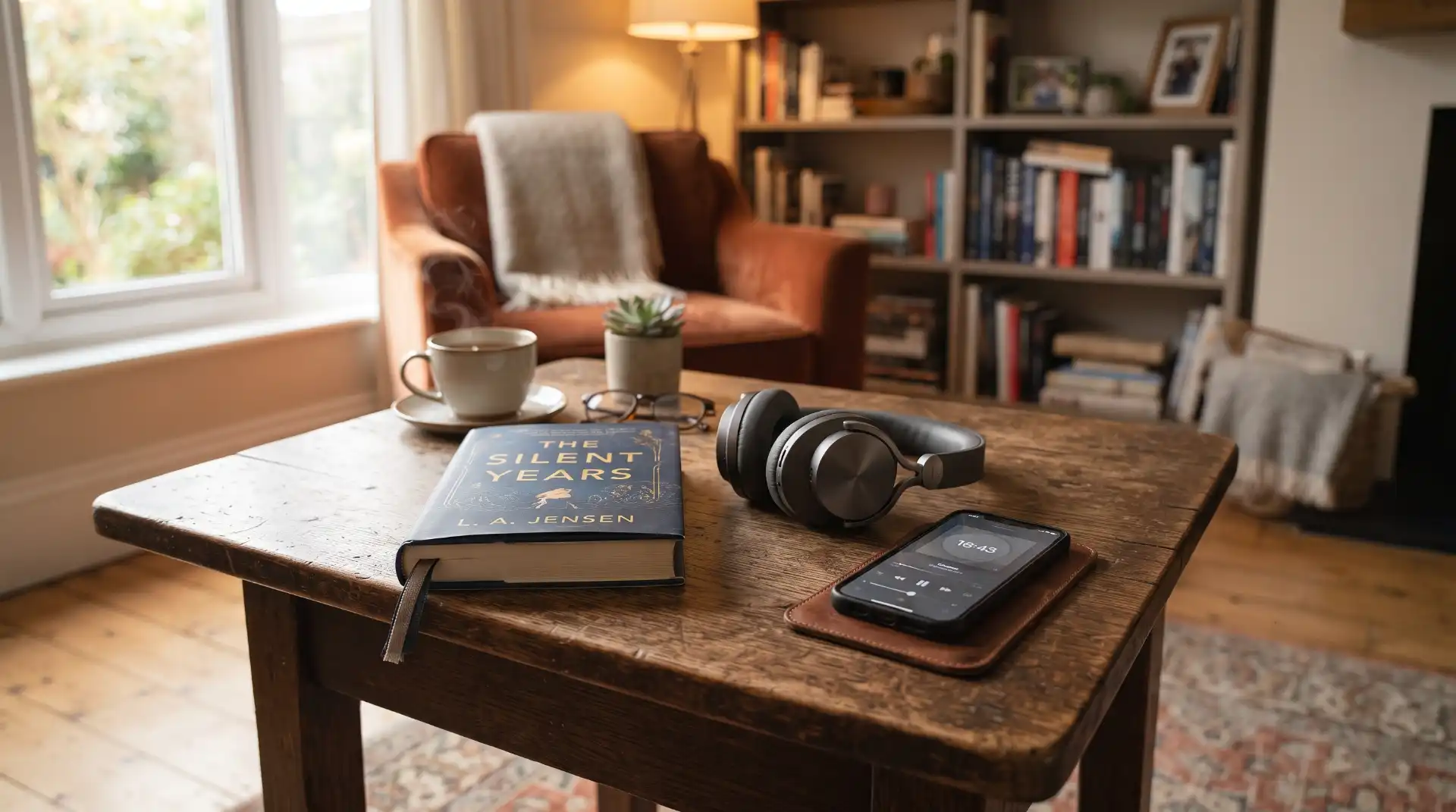
The audiobook does not necessarily replace the printed book. In many cases, it simply creates another opportunity to experience it.
Bookzee’s comparison of audiobooks and print reading looks more closely at how different formats suit different reading habits.
Familiar Voices Create an Immediate Connection
Celebrity culture is built partly around recognition.
People recognize faces, but they also recognize voices.
A familiar voice can carry years of associations.
Someone may have heard an actor in dozens of movies, listened to a musician for half their life, followed a comedian’s stand-up specials, or watched an athlete give interviews throughout a long career.
When that voice begins telling a childhood story, the relationship between audience and performer changes.
The person is no longer playing a character, singing lyrics, answering a reporter’s question, or delivering a rehearsed acceptance speech.
They are presenting a version of themselves.
That difference can make an audiobook feel unusually direct.
It is also one reason famous authors often have a built-in advantage in audio. Listeners already know what they sound like.
A traditional narrator has to establish a relationship with the audience.
A celebrity may begin with one already in place.
The Best Narration Can Reveal Personality Beyond the Printed Page
One of the most interesting qualities of an author-narrated memoir is that readers can discover aspects of personality that were not obvious from the text.
A sentence that appears serious in print might be delivered sarcastically.
A story that seems boastful on paper might sound self-deprecating when spoken.
A description of an old rival might contain more affection than the words alone suggest.
This additional layer of interpretation can influence how listeners understand the entire book.
It also complicates the idea that an audiobook is simply another format.
When the author is narrating, the audio edition is arguably a second performance of the work.
The manuscript provides the structure, but the voice provides another level of expression.
That is particularly important in memoir because tone affects credibility.
Listeners are constantly forming impressions about sincerity, humor, regret, confidence, and vulnerability.
The voice becomes part of that judgment.
Why Some Readers Buy Both Editions
The rise of audiobooks has not necessarily created a simple battle between audio and print.
Many readers now move between formats.
Someone might listen to a memoir during a commute and then purchase the hardcover because they enjoyed it. Another reader might begin with the print edition, discover that the author narrated the audiobook, and decide to listen afterward.
Others alternate between the two.
This behavior reflects a broader shift in reading culture. Books no longer have to live in a single format.
A story can exist simultaneously as a hardcover, paperback, e-book, audiobook, and eventually a film or television adaptation.
Each version offers something different.
For celebrity memoirs, the audio edition often provides the element that the others cannot: the author’s actual speaking voice.
That makes audio feel less like a substitute for the book and more like a companion experience.
Celebrity Narration Also Changes Book Marketing
The author’s voice can become an important promotional asset.
A celebrity narrating a memoir creates material that publishers can use in audio previews, interviews, social campaigns, podcast appearances, and other promotional channels.
A strong sample can communicate the character of a book within seconds.
Listeners do not need to wonder what the narration will sound like. They can immediately hear whether the experience feels intimate, funny, dramatic, energetic, or reflective.
This is particularly useful in an entertainment environment crowded with choices.
Books compete not only with other books but also with podcasts, streaming television, music, social media, video platforms, and games.
An author-narrated memoir can occupy territory between several of those forms.
It contains the depth of a book but offers the vocal presence audiences associate with podcasts and other audio entertainment.
For publishers, that makes celebrity memoir audiobooks unusually adaptable to modern media habits.
The Human Voice Matters in the Age of AI Narration
The popularity of author narration is also becoming more significant as artificial intelligence enters audio publishing.
Synthetic narration can make certain types of books faster or less expensive to produce. However, memoir presents a difficult challenge for automated voices because the appeal often comes from the connection between the story and the person speaking.
Current Audio Publishers Association research shows that AI narration remains only a tiny portion of audiobook revenue, while interest in trying AI-voiced books has declined compared with the previous year.
The association reported that only 16 percent of audiobook listeners surveyed had listened to an AI-voiced audiobook, while AI-narrated titles represented only 0.03 percent of 2025 audiobook sales revenue.
Readers interested in current audiobook industry data can explore the Audio Publishers Association’s research and consumer surveys.
For celebrity memoirs, the contrast between synthetic and human narration is particularly clear.
If the appeal of the audiobook is hearing someone describe their own life, replacing that person’s voice removes one of the format’s greatest advantages.
Listeners are not merely seeking correct pronunciation of the text.
They want the person.
Audiobooks Can Bring Older Memoirs Back Into the Conversation
Audiobooks can also extend the cultural life of a memoir.
A book does not disappear when its initial hardcover release ends.
A celebrity may return to public attention because of a new movie, album, documentary, anniversary, interview, award, television series, or cultural discussion. When that happens, audiences often revisit earlier work.
Digital audiobook platforms make that process easy.
A listener who becomes interested in an entertainer today can immediately access a memoir released years earlier.
Social media can amplify the effect. A funny or emotional passage from an older audiobook may circulate online and introduce the work to readers who missed the original publication.
Streaming adaptations can produce similar rediscovery.
In this environment, audiobook catalogs increasingly function as archives of voices as well as collections of books.
That is particularly meaningful for memoir.
An author-narrated recording preserves not only what someone wrote but also how they sounded while telling the story.
What Makes a Great Celebrity Memoir Audiobook?
The strongest celebrity memoir audiobook usually begins with the same requirement as any successful book: there must be a worthwhile story.
Fame alone cannot sustain hours of listening.
Readers still need narrative movement, specificity, honesty, humor, insight, or some combination of those qualities.
The best memoirs typically go beyond a chronological list of achievements.
They explain decisions.
They recreate turning points.
They show contradictions.
They provide details that audiences could not have learned from a short profile or promotional interview.
Narration then adds another layer.
A strong author-narrated performance feels conversational without becoming careless. It communicates emotion without forcing every passage into melodrama. It knows when to slow down and when to move quickly.
Most importantly, the narration should feel appropriate to the person telling the story.
A polished theatrical performance may work beautifully for one author. A less formal, conversational delivery may be far more effective for another.
Authenticity is difficult to measure, but listeners tend to recognize when the voice and material belong together.
Choosing Between the Print and Audiobook Edition
Readers deciding whether to buy a celebrity memoir in print or audio should consider what they want most from the experience.
Print is ideal for readers who enjoy highlighting passages, returning easily to particular pages, reading at their own pace, or seeing photographs and other visual material exactly as it appears in the book.
Audio has a different advantage.
It offers performance.
If the celebrity’s voice is part of what interests you, the audiobook may provide something the printed edition simply cannot reproduce.
Before choosing, listen to a sample when one is available.
The first few minutes will usually tell you whether you enjoy the author’s pace and delivery.
Also consider the circumstances in which you are likely to experience the book.
Someone planning a long road trip may get more use from the audiobook. Someone who enjoys quiet weekend reading may prefer the hardcover.
There is also nothing wrong with choosing both.
Hybrid reading is becoming increasingly natural as readers move between printed books, e-books, and audio depending on where they are and what they are doing.
Why the Trend Is Likely to Continue
Celebrity memoirs and audiobooks are unusually well matched.
Memoirs promise access to a person’s story.
Audiobooks promise access to a person’s voice.
Combine the two, and the format offers an experience that other editions cannot exactly duplicate.
At the same time, the American audiobook market continues to expand. More people are listening, more titles are available, digital access is easier, and audio has become integrated into everyday routines.
That gives publishers good reason to encourage celebrities to narrate their own work whenever the author is comfortable doing so.
Listeners increasingly expect it as well.
When a well-known actor, musician, comedian, athlete, or public personality publishes a memoir, one of the first questions many fans now ask is not simply, “What is the book about?”
It is, “Do they narrate the audiobook themselves?”
That question reveals how much the format has changed.
Narration is no longer merely a way of converting printed words into sound.
In the right memoir, it becomes part of the work itself.
The Author’s Voice Can Be the Most Memorable Chapter
Books have always allowed readers to enter another person’s perspective.
Author-narrated memoirs add something unusually literal to that idea.
The reader does not simply encounter the author’s memories through sentences. They hear those memories spoken by the person who experienced them.
That voice can deliver humor, hesitation, confidence, embarrassment, affection, regret, and personality in ways that cannot be completely captured on a printed page.
For celebrity memoirs, that difference is especially significant because audiences often arrive with years of familiarity with the person speaking.
The audiobook turns that familiarity into a storytelling tool.
As America’s audio-reading culture continues growing, celebrity memoir audiobooks are likely to remain one of the clearest examples of why listeners choose audio not merely for convenience, but because sometimes the voice telling the story is part of the story itself.