
Why Readers Are Rediscovering the Joy of Hands-On Books
For years, the publishing industry has focused heavily on digital transformation. E-books, audiobooks, reading applications, online bookstores, and subscription-based services have changed how Americans discover and consume written content. Readers can now carry entire libraries on their smartphones, listen to novels while commuting, and download new releases within seconds. Digital convenience has become an important part of modern reading culture, but it has not eliminated the appeal of traditional printed books.
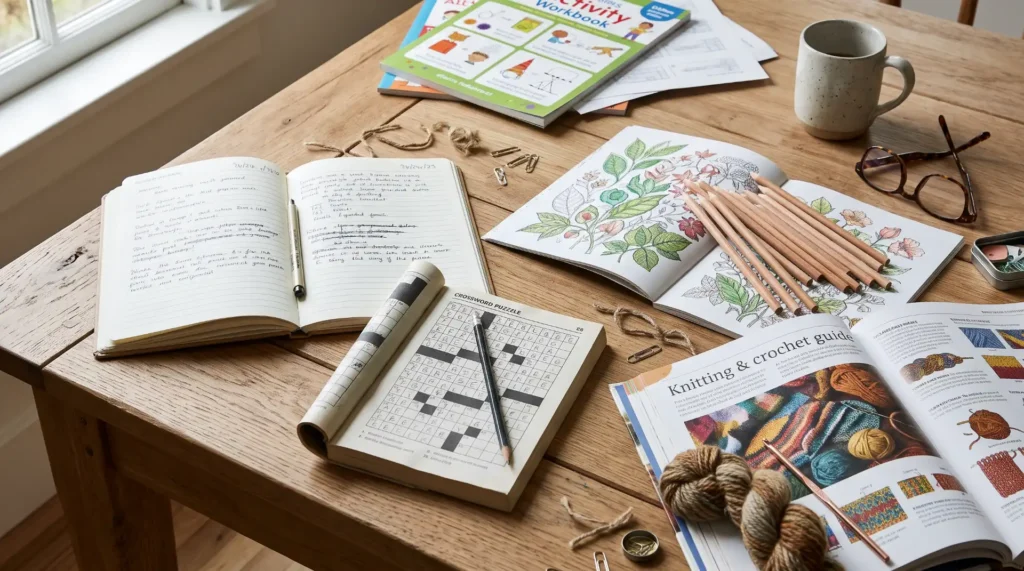
In fact, another interesting development is gaining attention across the American book market: the renewed popularity of hands-on books. Guided journals, puzzle collections, adult coloring books, craft guides, activity workbooks, and interactive educational publications are attracting readers who want something more engaging than simply turning pages or scrolling through digital content.
These books offer a different kind of experience. Instead of consuming information passively, readers participate in the process. They write, draw, solve problems, complete activities, practice techniques, and create something with their own hands. A journal becomes a personal record of experiences, a puzzle book provides a challenge that can be completed at an individual pace, and a craft guide turns written instructions into a practical creative project.
This shift is particularly interesting because it reflects changing consumer interests rather than a rejection of technology. Americans are not necessarily abandoning digital entertainment. Instead, many are exploring additional ways to spend their free time, develop practical skills, express creativity, and enjoy screen-free activities.
The trend is also supported by recent publishing industry research. In its May 2026 report, Circana’s 2026 book market analysis identified increased consumer interest in crafting, journaling, adult coloring, puzzles, and other hands-on nonfiction categories. The research also highlighted growing demand for screen-free activities and interactive children’s books.
For publishers, independent bookstores, libraries, educators, and readers, this development represents an opportunity to reconsider what a book can offer. A book does not always have to be something readers finish and place on a shelf. Sometimes, its greatest value comes from the activities, skills, ideas, and personal experiences it helps create.
As hands-on books continue attracting attention, understanding why people enjoy them can help readers discover new interests and make better choices about what to add to their collections.
1. What Are Hands-On Books?
Hands-on books are publications designed to encourage active participation. Unlike conventional novels and informational books, which primarily involve reading and understanding written content, these publications invite readers to interact directly with the material.
The interaction can involve writing responses, completing exercises, solving puzzles, following illustrated instructions, drawing pictures, organizing information, or creating physical objects.
The category is broader than many people realize. It includes products designed for entertainment, education, personal development, creative expression, and practical learning.

Guided Journals and Personal Reflection Books
Guided journals are among the most recognizable examples of hands-on publications. Instead of presenting blank pages alone, they include questions, writing prompts, exercises, and structured sections that encourage readers to record their thoughts and experiences.
Some journals focus on gratitude, daily reflections, personal goals, and memorable experiences. Others are designed around specific interests, such as travel, fitness, cooking, reading, or professional development.
For example, someone who enjoys reading fiction might purchase a reading journal that provides space to record book titles, authors, favorite characters, memorable quotations, and personal reviews.
A traveler might prefer a journal containing prompts about destinations, local experiences, restaurants, and memorable moments.
These publications provide structure without requiring readers to follow a complicated system. They also become personal records that can be revisited months or years later.
Puzzle Books and Brain Teasers
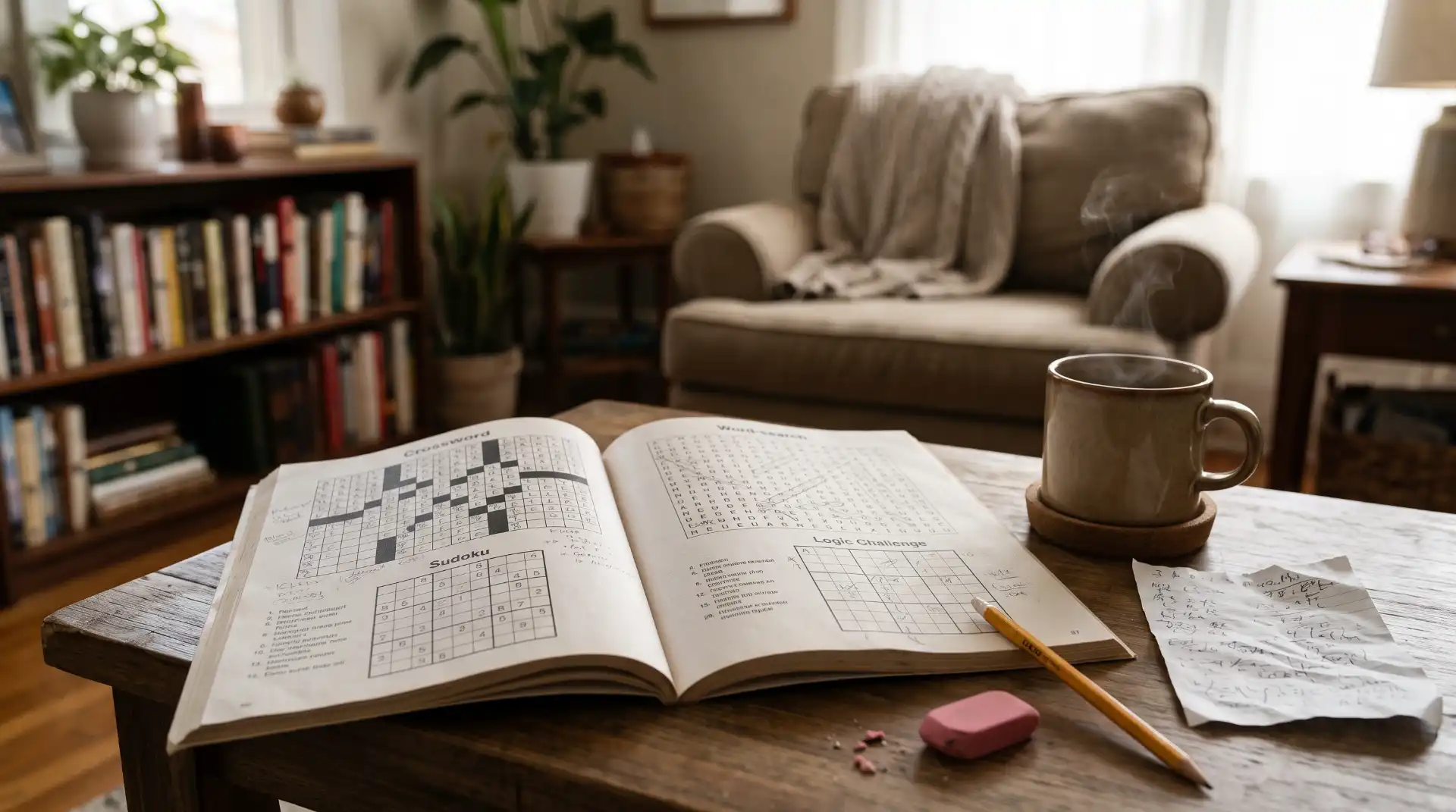
Puzzle books are another important part of the hands-on book market. They include crosswords, word searches, Sudoku, logic problems, number challenges, cryptograms, riddles, and other activities that require concentration.
Some collections are designed for beginners, while others challenge experienced puzzle enthusiasts with more complicated problems.
Puzzle books appeal to readers because they provide an immediate activity with a clear objective. Completing a crossword or solving a difficult logic problem creates a sense of progress that differs from finishing a traditional chapter.
They are also portable and relatively easy to incorporate into everyday routines. A person can complete a few puzzles during a lunch break, while traveling, or while relaxing at home.
Craft Guides and Creative Instructional Books
Craft guides combine written explanations, illustrations, diagrams, and practical instructions to help readers develop creative skills.
Popular subjects include knitting, crocheting, embroidery, sewing, woodworking, paper crafts, pottery, home decoration, and do-it-yourself projects.
Unlike books that simply describe a particular craft, these publications encourage readers to follow instructions and produce something tangible.
A beginner might use a crochet guide to learn basic stitches before attempting a scarf or blanket. Someone interested in home decoration might follow a book that explains how to create handmade decorations using inexpensive materials.
Activity Books for Children and Adults
Activity books include coloring pages, drawing exercises, mazes, matching games, educational worksheets, sticker activities, and interactive learning exercises.
Children’s activity books often focus on early education, handwriting, mathematics, reading comprehension, creativity, and problem-solving.
Adult activity books can cover everything from advanced puzzles and creative writing exercises to mindfulness-inspired coloring and practical skill development.
The common element is participation. Readers are encouraged to do something with the information instead of simply reading it.
2. Why Hands-On Books Are Becoming Popular in 2026
The renewed interest in hands-on books is connected to several changes in consumer behavior, particularly the desire for screen-free entertainment, affordable hobbies, personal creativity, and more engaging ways to spend free time.
These factors are not entirely new, but their combination is creating favorable conditions for interactive print publications.
Growing Interest in Screen-Free Entertainment
Smartphones, computers, televisions, and tablets occupy significant portions of modern daily life. Americans use digital devices for work, communication, shopping, education, entertainment, and countless other activities.
Although technology provides convenience, constant exposure to screens can make some people interested in activities that do not involve another device.
Hands-on books offer a straightforward alternative. A puzzle book does not require an internet connection, notifications, software updates, or a subscription. A journal can be used anywhere with a pen, and a craft guide can provide instructions while someone works with physical materials.
For parents, these books also offer practical ways to encourage children to spend time away from electronic entertainment.
This does not mean that every reader wants to eliminate technology. Many people simply want a healthier variety of activities throughout the day.
A family might use educational workbooks after school, complete puzzles together on weekends, or keep coloring books available during long car trips.
Adults might choose a guided journal in the evening instead of spending another hour browsing social media.
The appeal is largely based on accessibility. Hands-on books make it easy to begin an activity without requiring complicated preparation.
A Desire for More Meaningful Leisure Time
Another reason hands-on books are gaining attention is that people increasingly look for activities that feel productive, enjoyable, or personally rewarding.
Traditional entertainment often involves watching, listening, or scrolling. These activities can be relaxing, but they do not always create a lasting sense of accomplishment.
Interactive books provide a different experience.
Completing a difficult crossword, finishing a drawing exercise, or learning a new knitting technique gives readers something concrete to show for their time.
The result does not need to be impressive. Even a small accomplishment can make a leisure activity feel satisfying.
For example, someone who spends 15 minutes completing a puzzle during a lunch break has participated in an activity with a clear beginning and ending. Another person who writes a short journal entry before bed has created a personal record of the day.
These small experiences can make ordinary routines more interesting.
The Appeal of Affordable Hobbies
Economic considerations also influence the popularity of hands-on books.
Many Americans are more selective about discretionary spending, particularly when household budgets must cover housing, transportation, groceries, education, and other expenses.
Some hobbies require expensive equipment, memberships, specialized facilities, or ongoing subscriptions. Hands-on books can provide a more affordable starting point.
A basic puzzle book may offer dozens or hundreds of activities. A guided journal can support months of regular writing. A beginner craft guide can introduce a skill before someone invests in more expensive equipment.
Readers can also reduce costs by borrowing suitable publications from public libraries, buying used books, or exchanging books with friends.
The important advantage is that a book can introduce an activity without requiring a substantial initial investment.
Of course, certain crafts require additional materials. Knitting, painting, woodworking, and sewing can become expensive depending on the tools and supplies involved. However, a beginner-friendly guide can help someone understand what is actually necessary before purchasing everything.
A Renewed Appreciation for Physical Materials
There is also something distinctive about physically interacting with a printed book.
Readers can feel the paper, write directly on pages, move between sections, place bookmarks, and see their progress develop over time.
These qualities are especially important for activity-based publications because the physical format is part of the experience.
A crossword puzzle is designed to be completed on a page. A journal becomes meaningful through handwritten entries. A craft guide can remain open beside a worktable while readers follow each instruction.
Digital versions may provide similar information, but they do not always reproduce the same practical experience.
For many readers, the physical nature of hands-on books is not an inconvenience. It is one of their biggest advantages.
3. Guided Journals: Turning Everyday Thoughts Into Personal Records
Guided journals have become an important part of the hands-on book category because they combine writing, reflection, organization, and creativity. They are particularly appealing to people who want to establish a regular writing habit but do not know where to begin.
A traditional blank notebook can sometimes feel intimidating. Without a specific subject or direction, a new journal owner may struggle to decide what to write. Guided journals address this problem by providing questions and prompts that make the process easier.
The Growing Variety of Guided Journals
Modern guided journals are available for almost every interest and stage of life.
Gratitude journals encourage readers to identify positive experiences and meaningful moments. Daily reflection journals provide space to record thoughts about work, relationships, personal experiences, and future plans. Goal-setting journals help organize priorities and track progress toward specific objectives.
There are also specialized publications designed for particular hobbies. Reading journals allow book enthusiasts to document their favorite stories, while travel journals help preserve memories from vacations and weekend adventures.
Some journals are designed around professional development, with sections for recording business ideas, organizing projects, and reflecting on career experiences.
The variety makes guided journals appealing to people who might not consider themselves traditional writers.
Why Handwriting Still Appeals to Readers
Typing has become the standard way to produce much of today’s written communication, but handwriting remains meaningful for many people.
Writing by hand creates a slower experience that encourages individuals to think about what they want to record. Instead of quickly entering information into a digital application, journal writers can organize their thoughts at their own pace.
Handwriting also allows greater freedom in presentation. Someone might combine sentences with sketches, diagrams, decorative lettering, stickers, or handwritten lists.
This flexibility is especially attractive to people who enjoy personalized stationery and creative organization.
A journal does not need to follow a perfect layout. Some pages might contain detailed reflections, while others include a simple list of memorable moments.
The personal nature of the finished book is part of its appeal.
How to Choose the Right Journal
Readers should consider their intended purpose before purchasing a guided journal. Someone interested in personal reflection might prefer open-ended questions, while a reader who wants better organization may benefit from structured daily or weekly planning pages.
Paper quality is another consideration. Thin paper may allow ink to show through, while heavier paper can provide a better experience for people who use markers or fountain pens.
The size of the journal also matters. A large hardcover publication may work well on a desk, but a smaller paperback is easier to carry in a backpack or handbag.
Most importantly, the prompts should feel useful rather than overwhelming. A journal that requires extensive daily writing may become difficult to maintain for someone with a busy schedule.
Starting with a simple five-minute writing routine can make the experience more manageable.
4. Puzzle Books: Entertainment That Encourages Active Thinking
Puzzle books have remained popular across generations because they offer something that many other forms of entertainment cannot provide: an opportunity to participate directly in solving a challenge.
Instead of following a story or watching a program, readers must examine clues, identify patterns, test possible answers, and work toward a solution.
The experience can be relaxing, competitive, educational, or challenging depending on the type of puzzle.
Crossword Books and Word Games
Crossword puzzles remain one of the most recognizable forms of printed puzzle entertainment in the United States.
They combine vocabulary, general knowledge, word associations, and logical reasoning. Some publications offer beginner-friendly crosswords with straightforward clues, while advanced collections feature more complicated themes and wordplay.
Word-search books provide a different experience. Readers locate hidden words within grids of letters, often organized around subjects such as animals, geography, history, food, or popular culture.
These publications are especially useful for people who want short activities that can be completed without extensive preparation.
Sudoku and Number-Based Challenges
Sudoku books appeal to readers who enjoy numerical patterns and structured problem-solving.
The puzzles involve placing numbers into a grid according to specific rules. Although the basic concept is simple, difficulty can increase significantly as the puzzles become more complex.
Many collections organize challenges by difficulty level, allowing beginners to develop their skills before attempting advanced problems.
Other number-based puzzle books include mathematical riddles, number sequences, arithmetic challenges, and logic grids.
Readers who enjoy analytical activities often find these publications particularly engaging.
Logic Puzzles and Mystery Challenges
Logic puzzle books offer a more investigative experience.
Readers might be presented with a fictional situation involving several people, locations, objects, or events. By studying the clues and eliminating impossible combinations, they must determine the correct answer.
For example, a puzzle might describe five neighbors who own different pets, work different jobs, and live in houses of different colors. The reader must use the available clues to determine which person owns a particular animal.
These challenges encourage careful reading and organized thinking.
Some books also combine puzzles with mystery storytelling. Readers solve clues throughout a fictional investigation, creating an experience that blends entertainment with problem-solving.
Choosing Puzzle Books for Different Skill Levels
One common mistake is purchasing a puzzle collection that is too difficult or too easy.
Beginners should look for books that explain the rules, provide sample solutions, and organize challenges by difficulty. Experienced puzzle enthusiasts may prefer collections that introduce unusual formats or more complicated problem-solving techniques.
Large-print editions are also worth considering for readers who prefer larger text and more comfortable page layouts.
Another useful consideration is the amount of writing space available. Crossword and Sudoku books should provide enough room for comfortable writing, particularly when the grids are complicated.
The best puzzle book is not necessarily the one with the highest difficulty level. It is the one that provides an enjoyable balance between challenge and satisfaction.
5. Craft Guides: Learning Practical Skills Through Books
Craft guides represent another important area of the hands-on book market.
For readers interested in creative hobbies, instructional books provide a structured introduction to activities that might otherwise feel difficult to learn.
They combine explanations, diagrams, photographs, supply lists, and project instructions to help beginners understand each stage of a process.
Knitting, Crocheting, and Needlework
Knitting and crocheting have attracted interest from people who enjoy working with their hands and producing practical items.
Beginner craft books often explain basic techniques before introducing larger projects.
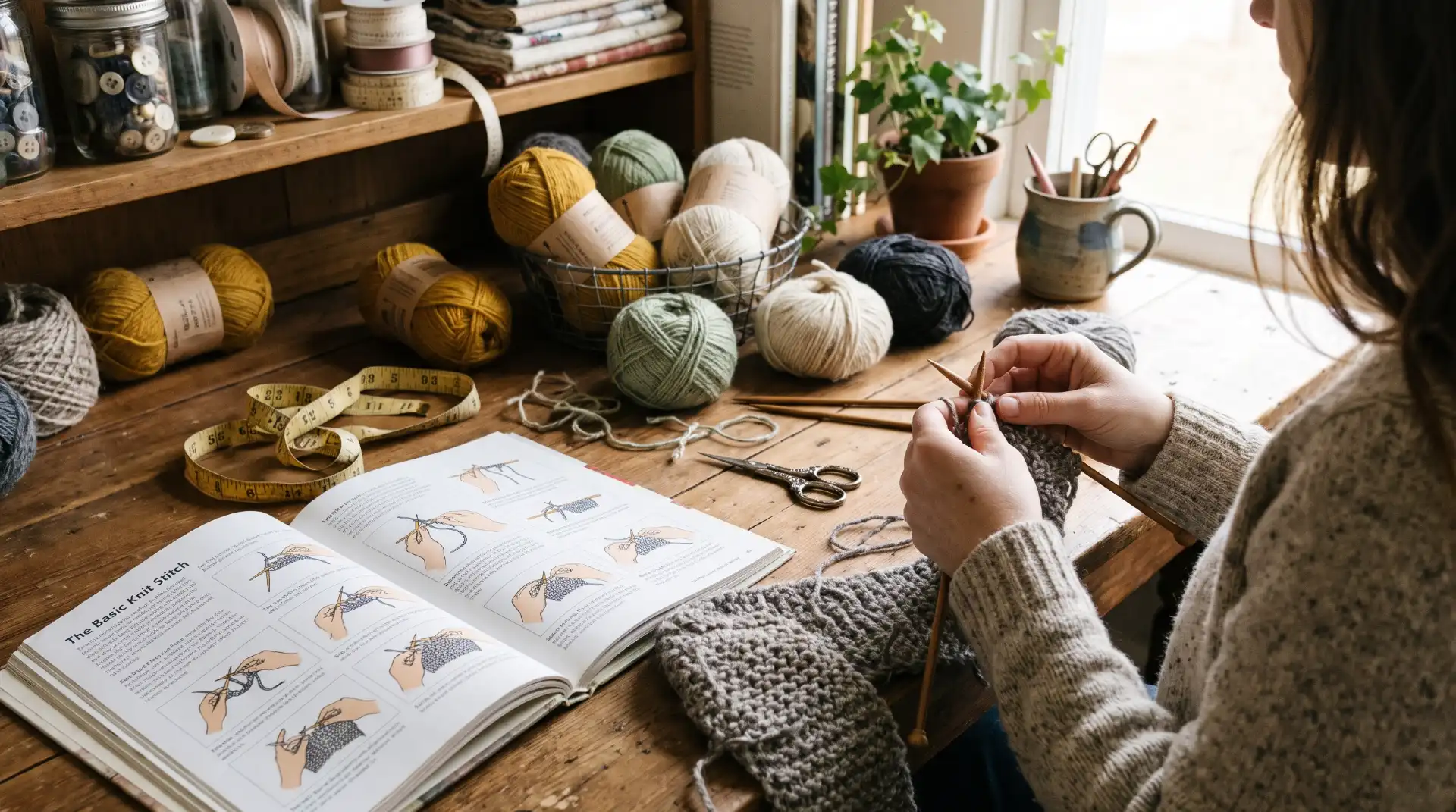
A knitting guide might begin with casting on, basic stitches, and simple patterns before progressing to scarves, hats, blankets, and clothing.
Crochet publications may introduce different stitches, yarn types, hook sizes, and methods for joining individual pieces.
Needlework guides can cover embroidery, cross-stitch, decorative stitching, and fabric-based crafts.
The main advantage of a well-designed instructional book is that readers can return to individual lessons whenever they need clarification.
Unlike a video tutorial that requires rewinding or navigating a digital interface, a printed guide can remain open at the relevant page while someone practices.
DIY Home Projects and Handmade Decorations
Home improvement and decoration are also natural subjects for practical books.
Some publications teach readers how to create handmade decorations, organize living spaces, restore older furniture, or complete simple home improvement projects.
Others focus on seasonal crafts, including holiday decorations, handmade gifts, paper ornaments, and personalized household accessories.
These books can appeal to people who want to customize their homes without purchasing every decorative item from a store.
For example, a beginner might use a craft guide to create handmade greeting cards or decorative storage containers. Someone with more experience might explore woodworking or furniture restoration.
However, readers should always pay attention to safety instructions. Projects involving electrical tools, chemicals, sharp equipment, or structural modifications may require additional expertise beyond what a general craft book provides.
Cooking and Food-Based Creative Books
Cookbooks are another longstanding example of hands-on publications.
Although many readers use digital recipes, printed cookbooks offer a convenient way to organize recipes and follow instructions without switching between screens.
Modern cookbooks may focus on specific dietary preferences, regional cuisines, meal preparation, baking, desserts, or specialized cooking techniques.
Some include spaces for readers to record substitutions, personal adjustments, and family preferences.
A cookbook can also become a practical reference that develops alongside the reader’s experience.
Someone learning to bake might begin with simple recipes before progressing to more complicated breads, pastries, and desserts.
This progression makes instructional books useful beyond the initial reading experience.
6. Activity Books for Children: Making Learning More Interactive
Children’s activity books are among the most recognizable examples of interactive publishing.
Parents, teachers, and caregivers use them to introduce educational concepts through activities that encourage participation.
Instead of relying entirely on explanations, activity books present information in formats that invite children to practice what they are learning.
Early Learning and Preschool Workbooks
Preschool activity books often focus on foundational skills such as recognizing letters, identifying numbers, matching shapes, understanding colors, and developing early handwriting abilities.
Simple tracing exercises help young children become familiar with letter formation. Matching activities encourage observation, while picture-based exercises introduce vocabulary and basic concepts.
Parents can use these publications at home to complement activities children encounter in preschool or kindergarten.
However, workbooks should not become a source of unnecessary pressure. Young children learn through a combination of reading, conversation, movement, exploration, play, and guided practice.
An activity book should support these experiences rather than replace them.
Mathematics and Reading Practice
Elementary school activity books frequently cover mathematics, spelling, reading comprehension, grammar, and general knowledge.
A mathematics workbook might include addition, subtraction, multiplication, measurement, and basic word problems.
Reading activity books may contain short passages followed by questions that encourage children to identify important information and understand what they have read.
These publications can help families create additional practice opportunities during weekends, school breaks, or after-school routines.
Parents should choose materials that match the child’s current learning level rather than automatically purchasing the most advanced workbook.
Coloring, Drawing, and Creative Activities
Coloring books and drawing workbooks provide children with opportunities to explore visual creativity.
Some publications focus on simple illustrations, while others introduce more structured activities such as completing pictures, following patterns, connecting dots, and drawing specific objects.
Sticker books, mazes, and interactive picture collections also encourage participation.
According to Publishers Weekly, reporting on the children’s activity-book market in August 2026, print sales for the category reached 16.7 million units in 2025, an increase of 18% over the previous year. The publication also reported that sales were tracking 18% above the comparable prior-year period through May 23, 2026.
Its reporting identifies screen-free entertainment, coloring books, sticker collections, and educational workbooks as important areas of interest.
This provides a concrete example of how interactive books are finding an audience beyond traditional literary reading.
Parents looking for suitable options should consider age recommendations, the quality of the illustrations, the amount of writing required, and whether the activities encourage genuine participation.
7. Adult Coloring Books and Creative Activity Publications
Hands-on books are not limited to children. Adult coloring books and creative activity publications have become recognizable products within the broader hobby and nonfiction market.
They are designed for readers who want an accessible creative activity without needing advanced artistic skills.
Why Adult Coloring Books Appeal to Different Readers
Adult coloring books often feature more detailed illustrations than children’s coloring books.
Popular subjects include botanical patterns, animals, architecture, geometric designs, landscapes, fantasy-inspired illustrations, and decorative artwork.
Some publications feature simple designs suitable for casual coloring, while others contain intricate patterns that require patience and careful attention.
The appeal is not necessarily about creating professional artwork. Many people enjoy the process itself.
A reader might spend twenty minutes coloring a botanical illustration after work or complete several pages during a quiet weekend afternoon.
The activity can provide a welcome change from more demanding tasks.
It is important, however, not to assume that coloring books provide a guaranteed medical or psychological benefit. They are creative leisure products, not replacements for professional mental health care.
Creative Writing and Drawing Exercises
Other adult activity books combine writing and visual creativity.
They may include storytelling prompts, sketching exercises, observation challenges, creative brainstorming activities, and themed projects.
These publications can help readers experiment with new interests without committing to a formal course.
Someone who has never written fiction might use a creative writing workbook to develop characters or short story ideas.
A beginner artist might follow drawing exercises that introduce perspective, shapes, shading, and composition.
The structured format can make creative exploration less intimidating.
Finding the Right Creative Activity
Readers should consider their available time, interests, and preferred level of difficulty.
A person with limited free time might prefer short coloring activities or simple drawing prompts. Someone who enjoys longer projects may prefer detailed illustration books or multi-stage craft publications.
The quality of the paper is also important. Certain coloring materials may bleed through thin pages, so readers should check whether a publication is designed for pencils, crayons, markers, or other supplies.
Choosing the correct format can significantly improve the overall experience.
8. How Hands-On Books Fit Into America’s Changing Reading Culture
The popularity of interactive publications does not exist separately from the wider American reading market.
Instead, it reflects the continued importance of physical books alongside the growth of digital formats.
According to a 2026 Pew Research Center analysis of American reading habits, 75% of U.S. adults reported reading at least part of one book during the previous 12 months. The October 2025 survey found that 64% had read a print book, compared with 31% who had read an e-book and 26% who had listened to an audiobook.
These figures show that digital formats have expanded without eliminating the role of printed books.
Hands-on books occupy an interesting position within this environment because their physical characteristics directly support their intended use.
The Difference Between Reading and Participating
Traditional reading and hands-on activities provide different experiences.
A novel invites readers to follow a narrative, understand characters, and imagine fictional events. A journal asks readers to contribute their own thoughts. A puzzle book presents a challenge that requires active problem-solving.
These formats do not need to compete.
Someone can enjoy a mystery novel during the evening and complete a crossword puzzle the following morning. Another person might alternate between an audiobook during a commute and a handwritten journal before bedtime.
The different formats can complement one another.
This is one reason publishers can develop a broader range of products without assuming that readers must choose between traditional books and interactive publications.
Physical Books as Part of Everyday Routines
Hands-on publications are often easier to incorporate into specific activities because they have a clear practical purpose.
A puzzle book can remain on a coffee table. A cookbook can stay in the kitchen. A journal can be placed beside a bed or on a desk.
A craft guide can be kept near the materials needed for a project.
This creates a natural connection between the publication and the activity it supports.
It also explains why some readers purchase these books for reasons beyond their literary interests. A person who rarely reads novels may still regularly use a cookbook, crossword collection, or DIY manual.
The definition of a book enthusiast is therefore becoming broader. Enjoying books does not necessarily mean reading traditional fiction every day.
Libraries and the Growing Importance of Practical Learning
Public libraries have an important role in helping Americans discover different types of publications.
Many libraries provide access to craft books, educational workbooks, puzzle collections, cookbooks, and instructional guides.
Some also organize hands-on programs where visitors can learn creative skills, participate in workshops, and explore practical activities.
Readers who are unsure which type of book they want can use their local library to experiment before purchasing a publication.
This approach is particularly useful for expensive hobbies or specialized subjects.
Instead of buying several instructional books immediately, someone interested in knitting might borrow an introductory guide, practice basic techniques, and decide whether the hobby is worth pursuing further.
Libraries can also provide community connections that make hands-on learning more enjoyable.
9. The Role of Bookstores and Publishers in the Hands-On Book Revival
The renewed interest in hands-on books creates opportunities for publishers and booksellers to expand how they present their products.
Traditional bookstores have often organized their shelves around familiar categories such as fiction, history, biography, business, and children’s literature. However, interactive publications can appeal to shoppers who are searching for activities rather than conventional reading material.
Creating More Visible Sections for Activity-Based Books
Bookstores can make hands-on publications easier to discover by grouping them according to their intended use.
For example, a store might create dedicated sections for journals, puzzles, adult coloring books, creative hobbies, and educational workbooks.
This arrangement helps shoppers identify publications that match their interests without having to browse unrelated categories.
It also creates opportunities for seasonal displays.
During the holiday shopping season, bookstores can feature puzzle collections, creative journals, drawing books, and craft guides as potential gifts. Before the beginning of a new school year, educational workbooks and children’s activity books may receive additional attention.
These displays can introduce customers to products they might not have considered purchasing otherwise.
Why Physical Demonstrations Matter
Unlike traditional novels, some hands-on publications are difficult to evaluate from their covers alone.
A shopper might want to see the quality of the paper, the complexity of the puzzles, the clarity of the illustrations, or the layout of a craft project before purchasing.
Bookstores can address this by providing sample pages or demonstration copies where appropriate.
For a coloring book, a sample page allows shoppers to examine the illustration style. For a journal, sample prompts show whether the questions are interesting and practical. For a craft guide, sample instructions help buyers determine whether the explanations are easy to follow.
This is especially important for premium activity books, where presentation and usability can influence purchasing decisions.
Opportunities for Independent Publishers
Independent publishers can also benefit from the popularity of specialized hands-on publications.
Rather than competing directly with large publishing companies across every major category, smaller publishers can concentrate on particular audiences.
For example, a publisher might specialize in puzzle collections for older adults, gardening journals, beginner embroidery guides, or educational activity books for children.
Niche publications can appeal to readers who want specific information that is not always available in general-interest books.
However, quality remains important. A useful hands-on book should have clear instructions, appropriate page layouts, accurate information, and activities that match its intended audience.
A poorly designed workbook may frustrate readers even when the subject itself is interesting.
10. Hands-On Books as Gifts: Why They Appeal to Different Generations
Hands-on books also have strong potential as gifts because they can be selected according to a person’s interests, hobbies, and lifestyle.
Unlike some presents that require knowledge of clothing sizes or personal preferences, an activity book can be a relatively simple way to introduce someone to a new experience.
The best choice depends on the recipient’s age, interests, and willingness to participate.
Gifts for Children
Children’s activity books are useful options for birthdays, holidays, school celebrations, and travel entertainment.
Parents and relatives can choose publications based on the child’s current interests.
A child who enjoys animals might appreciate a coloring collection featuring wildlife. Someone interested in mathematics might enjoy number puzzles, while a young reader might prefer an illustrated workbook containing vocabulary and storytelling activities.
Sticker books and drawing collections are also popular choices because they combine simple instructions with creative participation.
It is worth checking age recommendations and the suitability of small accessories or materials before purchasing books for very young children.
Gifts for Teenagers
Teenagers often have more specialized interests, which creates opportunities to select hands-on publications that reflect their hobbies.
A creative writing journal may appeal to someone interested in storytelling. A sketchbook-style activity book might suit an aspiring artist, while a complicated puzzle collection could be appropriate for someone who enjoys logic challenges.
Teenagers interested in fashion, design, photography, cooking, or crafts may also appreciate instructional books related to those subjects.
A useful gift should encourage exploration without feeling like additional schoolwork.
Gifts for Adults
Adults may appreciate guided journals, premium puzzle collections, specialized cookbooks, craft guides, and activity books connected to personal interests.
A person who enjoys gardening might appreciate an illustrated gardening journal. Someone who loves travel may enjoy a travel diary, while a friend interested in knitting could benefit from a beginner-friendly pattern collection.
For people who enjoy quiet activities, puzzle books and adult coloring publications can also make thoughtful gifts.
The advantage is that these products can be selected according to the recipient’s lifestyle rather than relying entirely on current entertainment trends.
Gifts for Older Adults
Large-print puzzle books, memory journals, hobby guides, and accessible activity publications can be suitable options for older adults who enjoy these activities.
Some people appreciate books that allow them to continue familiar hobbies, while others prefer opportunities to explore something new.
Large-print crosswords and word-search collections may be particularly convenient for readers who find small text uncomfortable.
However, individual preferences and accessibility needs should guide the selection. Not every older adult enjoys puzzles, journaling, or craft activities, so choosing something connected to an established interest is usually the better approach.
11. How to Choose Quality Hands-On Books
The increasing variety of interactive publications makes it important for consumers to evaluate books carefully.
A visually attractive cover does not automatically mean that a publication is useful or enjoyable. Readers should examine the actual content, organization, materials, and difficulty level before making a purchase.
Check the Intended Audience
Start by identifying who the book was designed for.
A beginner’s craft guide should explain basic techniques instead of assuming extensive prior knowledge. An advanced puzzle collection should clearly communicate its difficulty level.
Children’s workbooks should match the appropriate developmental stage, while adult journals should contain prompts that are relevant to their intended readers.
The publisher’s description and sample pages can provide helpful information.
Examine the Quality of Instructions
Instructional books should explain each process clearly.
For craft guides, this means providing understandable directions, diagrams, supply lists, and project descriptions.
A knitting book that introduces unfamiliar techniques without explaining them may be difficult for beginners. Similarly, a cooking publication should provide clear measurements, preparation instructions, and cooking times.
Readers should look for publications that explain unfamiliar terminology and present complicated activities in manageable steps.
Evaluate Paper and Printing Quality
The physical quality of a hands-on book can significantly affect how enjoyable it is to use.
Puzzle books should have clear printing and enough space for answers. Journals should provide comfortable writing surfaces. Coloring books should have illustrations that are easy to distinguish and pages suitable for the intended coloring materials.
For craft guides, photographs and diagrams should be sufficiently detailed to show important techniques.
If the publication is intended for repeated use, binding quality is another consideration.
Read Customer Reviews Carefully
Online reviews can help shoppers identify potential problems before purchasing.
However, readers should examine the details rather than relying exclusively on average star ratings.
For example, reviews of a puzzle collection may reveal that the puzzles are significantly easier than advertised. Reviews of a journal might mention that the paper is too thin for certain pens.
Craft guide reviews can identify unclear instructions or missing information.
A combination of publisher descriptions, sample pages, and detailed customer feedback provides a better basis for purchasing decisions.
12. How to Build a Hands-On Reading Routine
One reason people abandon new hobbies is that they try to do too much too quickly.
Purchasing several journals, puzzle collections, and craft guides at the same time can create unnecessary pressure.
A more practical approach is to begin with one activity and develop a routine around it.
Start With One Book That Matches Your Interests
Choose a publication connected to something you already enjoy.
If you like solving problems, begin with a puzzle book. If you enjoy writing, choose a guided journal. If you are interested in making handmade items, purchase an introductory craft guide.
Starting with a familiar interest makes it easier to maintain motivation.
Avoid purchasing several books simply because they are trending. A book should provide an activity that you genuinely want to try.
Set a Realistic Time Commitment
Hands-on activities do not require long sessions.
A journal entry might take five minutes, while a simple puzzle could occupy ten or fifteen minutes. A craft project may require a longer period, but it can often be divided into smaller stages.
The important thing is to choose a routine that fits your actual schedule.
For readers balancing work, family responsibilities, and personal interests, the strategies discussed in Bookzee’s article about balancing reading with a busy schedule can also help make room for these activities.
Instead of treating a new hobby as another demanding responsibility, consider it a flexible part of your leisure time.
Create a Comfortable Activity Space
A dedicated area can make it easier to return to a hands-on book regularly.
This does not require an entire room. A small desk, kitchen table, or comfortable corner may be sufficient.
Keep the materials you need within reach. A journal might require only a pen, while a coloring book may need pencils or markers. A craft guide might require a small storage container for yarn, needles, or other supplies.
If you want to create a comfortable environment, Bookzee’s guide to creating the perfect reading nook offers ideas for organizing a welcoming personal space.
The same principles can be applied to a small creative workspace.
Track Progress Without Creating Pressure
Some readers enjoy recording their progress in a journal or planner.
A puzzle enthusiast might keep track of completed collections, while someone learning crochet could record new techniques and finished projects.
However, tracking should remain optional.
The purpose of hands-on books is to make leisure activities more enjoyable. Turning every activity into a competition or productivity target can remove some of the pleasure.
Allow yourself to skip days, change projects, or move to another book when your interests evolve.
13. Can Hands-On Books Help Families Spend More Time Together?
Another important advantage of activity-based publications is their potential to create shared experiences.
Many books can be used individually, but some become more enjoyable when completed with family members or friends.
A family crossword session, collaborative drawing activity, or shared craft project can create opportunities for conversation and cooperation.
Family Puzzle Activities
Puzzle books can provide simple entertainment during weekends, holidays, and family gatherings.
Parents and children can work together on word searches, matching games, riddles, or age-appropriate logic challenges.
Different family members can contribute ideas and compare possible answers.
For younger children, adults can explain unfamiliar words and encourage them to identify patterns.
Older children may enjoy more difficult challenges that require several people to solve.
The activity becomes less about completing a particular number of puzzles and more about spending time together.
Creative Projects for Parents and Children
Craft guides can also support shared activities.
Parents might use a beginner-friendly book to introduce children to paper crafts, simple drawing exercises, handmade decorations, or basic sewing activities.
These projects provide opportunities to practice following instructions and working toward a common goal.
They can also introduce conversations about materials, colors, shapes, and creative decisions.
Adults should choose projects that match the child’s abilities and provide appropriate supervision, particularly when scissors, hot glue, needles, or other potentially dangerous materials are involved.
Activity Books for Travel
Hands-on books can be useful during family trips because they provide entertainment without requiring internet access.
Word searches, drawing collections, travel journals, and simple puzzles can keep children occupied during flights, road trips, and waiting periods.
Parents can select compact publications that fit easily into backpacks or travel bags.
A travel journal can also encourage children to record destinations, describe memorable experiences, or draw pictures of places they visit.
These entries may become meaningful souvenirs long after the trip has ended.
14. The Future of Hands-On Books in the Publishing Industry
The future of hands-on publishing is likely to involve a combination of traditional printed formats, improved design, specialized audiences, and changing consumer interests.
The category is not limited to a temporary preference for screen-free entertainment. Its broader appeal comes from the ability to provide practical experiences that readers can use repeatedly.
More Specialized Journals and Workbooks
Publishers may continue developing publications designed for specific interests and audiences.
Instead of producing only general-purpose journals, companies can create books focused on particular professions, hobbies, educational needs, and personal projects.
Examples include gardening journals, home renovation planners, reading trackers, cooking notebooks, travel diaries, and specialized fitness logs.
These products appeal to readers who want structured tools rather than generic blank notebooks.
The challenge for publishers is ensuring that the content provides genuine value.
A specialized journal should contain relevant prompts and practical organization features instead of simply placing a different cover on an ordinary notebook.
Better Designed Puzzle Collections
Puzzle publishers may also experiment with different formats and levels of difficulty.
Collections can combine traditional crosswords with logic games, visual challenges, trivia, and themed activities.
Some may be designed for specific age groups, while others target experienced puzzle enthusiasts.
Clear layouts, readable printing, and thoughtful organization will remain important.
Readers want puzzles that are challenging but fair, with accurate solutions and understandable instructions.
Creative Learning Through Instructional Books
Craft guides and practical nonfiction publications also have opportunities to reach new audiences.
Readers interested in developing practical skills may seek books that provide step-by-step instruction rather than general inspiration.
This could include gardening, baking, sewing, home decoration, photography, drawing, and other creative subjects.
Instructional books can be particularly useful for people who prefer learning at their own pace.
They can revisit individual lessons, practice specific techniques, and progress toward more advanced projects without following a fixed class schedule.
Combining Print and Digital Resources
Although hands-on books emphasize physical participation, digital resources can improve their usefulness.
Some publishers may provide supplementary videos, printable templates, downloadable patterns, or online demonstrations that support the printed material.
For example, a craft guide might include a QR code linking to a demonstration of a complicated technique. A cooking publication could offer additional recipe variations, while an educational workbook might provide optional practice materials.
This combination allows publishers to use technology without replacing the physical experience.
The most effective approach is to make digital resources supplementary rather than necessary for completing the basic activities.
The Importance of Quality Over Quantity
As the market expands, publishers will need to distinguish genuinely useful publications from books created primarily to capitalize on consumer interest.
Readers are likely to value clear instructions, original activities, reliable information, and durable presentation.
A well-designed journal that people use consistently can be more valuable than several inexpensive publications that remain untouched.
Similarly, a carefully organized craft guide can provide lasting value if it teaches techniques that readers continue using for years.
The future of hands-on publishing will depend not simply on producing more titles, but on creating books that people genuinely want to use.
15. Are Hands-On Books Just a Temporary Trend?
Whenever a particular category experiences increased attention, an important question emerges: will the interest continue, or is it simply a temporary consumer trend?
For hands-on books, several factors suggest that the category has potential beyond short-term popularity.
First, these publications serve practical purposes. People use journals to organize their thoughts, puzzle books for entertainment, craft guides to develop skills, and activity books to support learning. These needs are not limited to one particular season or social media trend.
Second, hands-on books appeal to multiple generations. Children use educational workbooks, teenagers explore creative activities, adults enjoy specialized hobbies, and older readers may appreciate puzzles and journals.
Third, many of these publications encourage repeat use. A journal can become part of someone’s daily routine, a craft guide can support multiple projects, and a puzzle collection can provide hours of entertainment.
These characteristics distinguish hands-on books from products that depend entirely on temporary online attention.
However, individual categories may experience different levels of demand. A particular coloring style or puzzle format might become popular for a limited period, while traditional journals and instructional books continue attracting readers.
Publishers should therefore pay attention to long-term usefulness rather than assuming every popular format will remain successful.
For consumers, the most sensible approach is to choose books based on personal interests instead of purchasing them simply because they are trending.
A publication that genuinely supports a hobby or provides enjoyable entertainment is more likely to become a lasting part of someone’s collection.
16. Where to Find Hands-On Books in the United States
American readers have several options for discovering hands-on books, including public libraries, independent bookstores, national bookselling chains, online retailers, and specialty craft stores.
Each option offers different advantages.
Public Libraries
Public libraries are excellent starting points for people who want to explore new activities without spending much money.
Many libraries carry puzzle collections, cookbooks, craft guides, children’s activity books, and educational workbooks.
Some libraries also organize workshops and creative programs that allow visitors to try activities before purchasing their own materials.
Readers should check their local library catalog because availability varies by location.
Library systems may also provide access to digital collections and downloadable instructional resources.
Independent Bookstores
Independent bookstores can be useful places to discover specialized publications.
Their employees may be familiar with local reading interests, educational resources, and niche publishing categories.
Some stores also organize events, workshops, and community activities that introduce customers to different creative interests.
Readers who want recommendations beyond the most widely advertised titles may find independent bookstores particularly helpful.
Major Book Retailers and Online Stores
Large book retailers and online marketplaces generally offer extensive selections of journals, puzzle books, activity collections, and instructional publications.
Online shopping can be convenient when searching for a specific subject or difficulty level.
However, buyers should examine descriptions and sample pages carefully. Product photographs may not reveal the actual paper quality, page layout, or complexity of the activities.
Comparing several editions before purchasing can help prevent disappointment.
Specialty Craft and Hobby Stores
Craft stores may carry instructional books alongside the materials required to complete projects.
This can be particularly useful for beginners who need to understand which supplies are appropriate for a particular activity.
A person interested in embroidery, knitting, painting, or woodworking can compare instructional publications and materials in one place.
The combination of books and physical supplies makes these retailers a useful resource for hobby development.
17. Why Hands-On Books Deserve a Place in Modern Reading Culture
The return of hands-on books demonstrates that the publishing industry is about more than novels, bestsellers, and digital reading platforms.
Books can serve as practical learning tools, personal journals, creative companions, educational resources, and sources of entertainment.
Their value comes from the experiences they make possible.
A guided journal gives someone a place to record personal memories. A puzzle book offers a challenge that can be enjoyed during a quiet afternoon. A craft guide introduces techniques that may eventually become lifelong hobbies. An activity workbook provides children with opportunities to practice skills through participation.
These experiences show why physical publications continue to have a place in a technology-driven world.
The growing interest in screen-free activities also suggests that readers are looking for more variety in how they spend their free time. Some want opportunities to create, others enjoy solving problems, and many simply appreciate having an activity that does not require another electronic device.
There is no single definition of the perfect hands-on book. The right choice depends on the reader’s interests, experience, and available time.
For someone who has never tried a guided journal, a simple daily reflection book might be a good starting point. A person interested in practical hobbies could explore a beginner craft guide, while families may enjoy educational activity collections and collaborative puzzles.
Ultimately, the return of hands-on books is not about replacing traditional reading. It is about expanding the ways people interact with printed publications.
As journals, puzzle books, craft guides, and activity workbooks continue attracting attention in 2026, they remind readers that books can do more than tell stories or communicate information. They can encourage creativity, introduce new skills, and turn ordinary moments into meaningful experiences.
For readers who want to reconnect with the physical experience of books, hands-on publications offer an inviting place to begin.
Frequently Asked Questions About Hands-On Books
1. What are hands-on books?
Hands-on books are publications that encourage readers to participate through writing, drawing, solving puzzles, completing exercises, or following practical instructions. Examples include guided journals, crossword collections, craft guides, coloring books, and educational workbooks.
2. Why are hands-on books becoming popular in 2026?
Hands-on books are attracting attention because they offer screen-free entertainment, affordable hobby opportunities, creative activities, and practical learning experiences. Recent publishing industry research has identified increased interest in categories such as journaling, crafting, puzzles, and coloring books.
3. What are the most popular types of hands-on books?
Popular categories include guided journals, adult coloring books, crossword collections, Sudoku books, logic puzzles, knitting and crochet guides, cookbooks, children’s activity books, and educational workbooks.
4. Are hands-on books only for children?
No. Hands-on books are available for all age groups. Adults can enjoy journals, complex puzzle collections, creative writing workbooks, coloring books, and craft guides. Older readers may also appreciate large-print puzzles and specialized hobby publications.
5. Are puzzle books good for beginners?
Yes. Many puzzle books include introductory instructions and organize challenges by difficulty. Beginners can start with simple crosswords, word searches, Sudoku, and basic logic puzzles before progressing to more complicated collections.
6. What is the difference between a guided journal and a regular notebook?
A regular notebook generally provides blank pages for writing, while a guided journal includes questions, prompts, exercises, or structured sections. Guided journals are particularly useful for people who want direction when starting a writing habit.
7. Can hands-on books help children learn?
Hands-on activity books can provide additional opportunities to practice handwriting, vocabulary, mathematics, reading comprehension, observation, and creative expression. They are most useful when selected according to a child’s age and learning needs and combined with other educational activities.
8. Are hands-on books more affordable than digital entertainment?
They can be an affordable leisure option, particularly when purchased as used books or borrowed from public libraries. A single puzzle collection or craft guide may provide multiple activities. However, some hobbies require additional materials, which should be included when comparing overall costs.
9. Where can Americans buy hands-on books?
Readers can find hands-on books at independent bookstores, major book retailers, online marketplaces, public libraries, and specialty craft stores. Checking sample pages, customer reviews, and publisher descriptions can help identify suitable publications.
10. Will hands-on books remain popular in the future?
Their long-term potential is supported by practical uses that extend beyond temporary entertainment trends. Journaling, puzzles, creative hobbies, and educational activities appeal to different age groups and can become regular parts of everyday routines. Individual formats may change, but the underlying demand for interactive and useful publications has room to continue.