

The New Era of Reading: Print Books, Ebooks, and Audiobooks Compared
Reading in America looks very different from the way it did a generation ago. A reader walking into a bookstore today may leave with a hardcover novel, download the same title to an e-reader, or listen to it through a smartphone before arriving home. The modern reading experience is no longer defined by one physical format. Print books, ebooks, and audiobooks have each developed their own place in American reading

The Rise of Manga in America: Why U.S. Readers Are Embracing Graphic Stories
Manga has become a major part of the American reading landscape. What was once considered a specialized category found mainly in comic shops and selected bookstore sections is now increasingly visible in public libraries, school libraries, major bookstores, online communities, and everyday reading lists. In 2026, that growth is especially noticeable. Circana reported that manga was the strongest category in the total U.S. print book market during the first quarter
Why Science Fiction Is Attracting a New Generation of American Readers
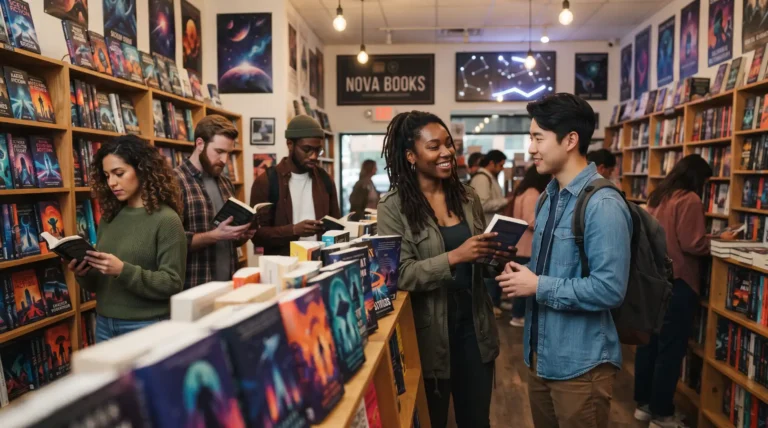
Science fiction once carried a reputation for belonging mainly to devoted genre fans: readers willing to memorize complicated star systems, follow enormous futuristic timelines, or work through novels packed with unfamiliar technology. That version of science fiction still exists, but it is no longer the whole story. Across the United States, a new generation of readers is discovering that science fiction can be funny, emotional, romantic, frightening, hopeful, political, philosophical,
Celebrity Memoirs and the Power of the Author-Narrated Audiobook
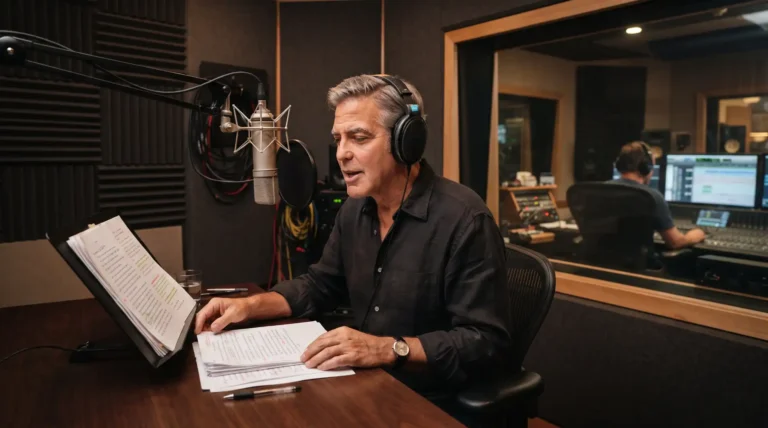
Celebrity Memoirs and the Power of the Author-Narrated Audiobook Celebrity memoirs have always offered readers something that novels, interviews, and magazine profiles cannot quite replicate: the opportunity to hear a public figure tell a much longer version of their own story. But increasingly, Americans are not simply reading those stories. They are listening to them. The rise of the audiobook has transformed the modern memoir, and nowhere is that transformation

The Rise of Escapist Fiction: Why Readers Want Other Worlds in 2026
There has always been something powerful about opening a novel and temporarily stepping outside ordinary life. A few pages can move a reader from a crowded apartment or suburban living room into an enchanted forest, an impossible city, a distant planet, a magical academy, a quiet village populated by witches, or a kingdom where dragons still shape the course of history. In 2026, that ability to go somewhere else has
Why Japanese-Inspired Fiction Is Winning Over American Readers
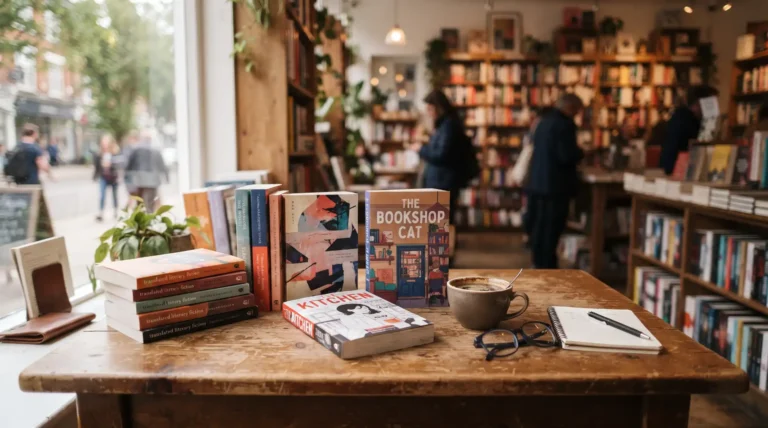
Walk through the fiction section of many American bookstores today and one development is increasingly difficult to miss. Stories connected to Japan are occupying far more cultural space than they once did. Some are direct English translations of Japanese novels. Others are manga, light novels, mysteries, speculative stories, fantasy adventures, and quiet books about everyday life. Still others are written outside Japan but borrow elements that American readers increasingly associate
How Silent Book Clubs Are Changing Social Reading in 2026
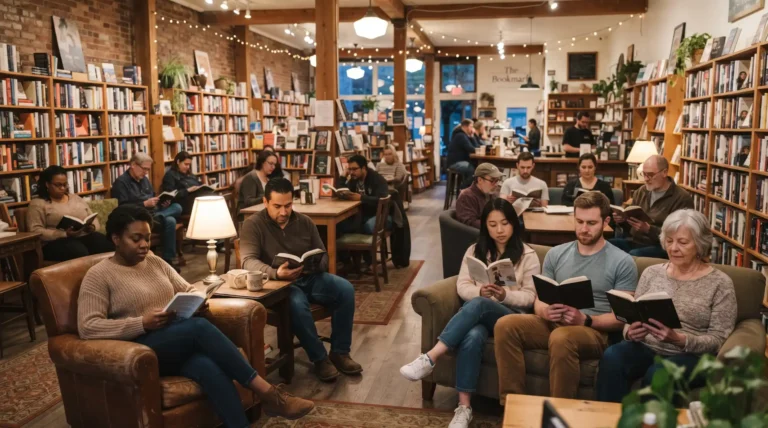
Reading has traditionally been described as one of the most solitary forms of entertainment. A reader opens a book, disappears into another world, and enjoys the experience largely alone. Traditional book clubs added a social element, but they usually came with another expectation: everyone had to read the same book and be ready to discuss it. A different kind of reading community is challenging both assumptions. Silent book clubs are

Why Collectible Book Editions Are Becoming More Popular
For generations, readers have treasured particular books because of the stories inside them. Increasingly, however, American readers are also paying close attention to what those books look and feel like on the outside. Sprayed page edges, embossed covers, foil stamping, illustrated endpapers, ribbon bookmarks, redesigned dust jackets, signed pages, and exclusive bonus material have transformed ordinary hardcover releases into objects that many readers actively collect. That shift has helped make

Dark Romance and the Rise of Darker Escapist Fiction
Dark romance has moved from a niche corner of romance publishing into a much larger conversation about escapist fiction. U.S. readers increasingly explore morally complicated characters, dangerous relationships, psychological tension, dark fantasy, horror, and emotionally intense stories. The appeal often comes from experiencing extreme fictional situations within the controlled distance of a book. Dark Romance Has Become Hard to Ignore Romance remains one of the most visible areas of American
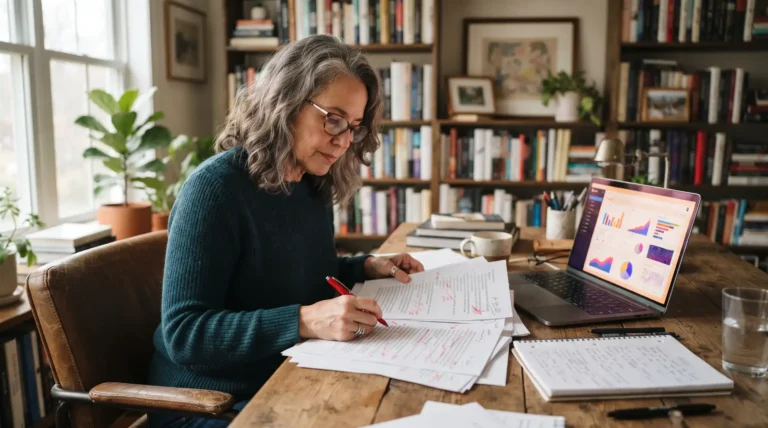
Can AI Detection Tools Really Tell Who Wrote a Book?
AI detection tools cannot reliably prove who wrote a book. They estimate whether text resembles patterns found in machine-generated writing. Current research shows that accuracy changes across models, domains, edits, and paraphrasing. For authors and publishers, a detector score works best as one signal among several, not final proof. Generative artificial intelligence has entered almost every stage of modern publishing. Authors use AI for brainstorming, editing, research organization, summaries, marketing
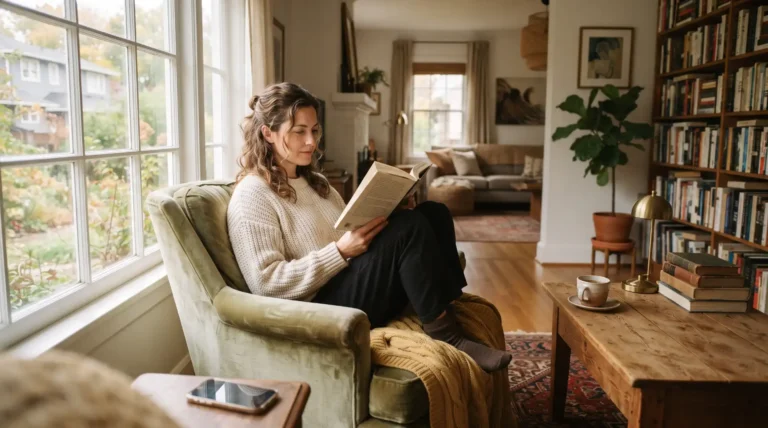
Slow Reading Is Growing: Why Readers Are Choosing Fewer, Longer Books
For years, reading culture online seemed increasingly focused on numbers. Readers posted annual totals. Apps counted completed titles. Social media challenges encouraged people to finish dozens, sometimes hundreds, of books each year. Short books became attractive partly because they helped readers move quickly toward another completed title. Now another philosophy is gaining attention. Slow reading encourages people to stop treating books like items on a productivity checklist. Instead of asking
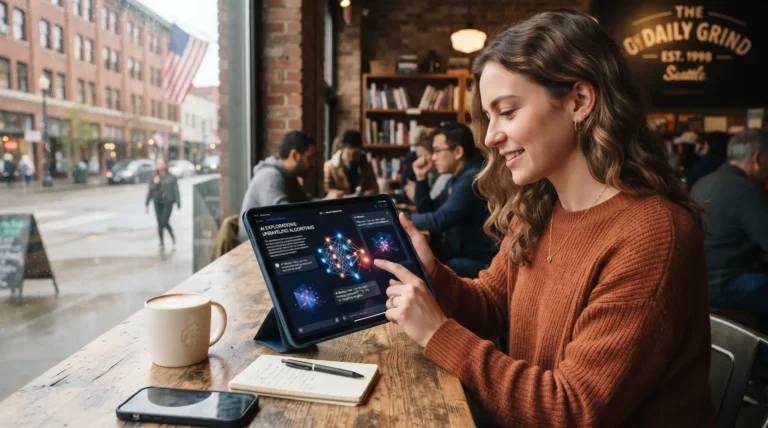
Are Interactive AI E-Books the Future of Reading?
Reading an e-book once meant doing essentially the same thing people had done with printed books for centuries. You opened the book, moved from one page to another, placed a bookmark, and perhaps highlighted a passage. The screen changed the delivery method, but the relationship between reader and book remained largely unchanged. Artificial intelligence is beginning to challenge that model. New reading tools can answer questions about characters, explain difficult